Entrepreneurial Operating System: What It Is and How Teams Use One
An entrepreneurial operating system is a structured approach to running a growing company. It gives leadership teams a shared vision, clear priorities, a consistent meeting rhythm, and a handful of key numbers to watch each week. It is not software. It is a management discipline that turns strategy into daily execution.
Entrepreneurial Operating System: The Short Answer
An entrepreneurial operating system model is a repeatable way to align a team around what matters most. Well-known frameworks like the Entrepreneurial Operating System EOS, created by Gino Wickman, are specific examples of this idea, but many businesses adapt or build their own version. Here is what this article covers:
- The six key components most operating systems share
- How weekly meetings, scorecards, and quarterly goals keep teams focused
- When a packaged framework helps and when a custom operating rhythm fits better
- How to get started without overbuilding
The Entrepreneurial Operating System Model in Plain Terms
Think of a business operating system the way you think of the operating system on your computer. The hardware and apps are there, but without an OS coordinating everything, nothing runs predictably. An entrepreneurial operating system does the same thing for your company: it coordinates vision, people, and execution so the organization moves in the right direction.
The challenge of entrepreneurial operating becomes real once a company passes roughly 10–20 employees or $2–5M in annual revenue. At that point, founder-driven improvisation stops scaling. Priorities shift weekly, meetings feel reactive, and results become unpredictable.
Common frameworks - the EOS model, Scaling Up, OKRs - all try to solve the same problem: turning a core strategy into day-to-day discipline. Most focus on a few shared building blocks: vision, people, data, issues, process, and traction. The specific tools differ, but the goal is identical.
EOS is a registered framework created by Gino Wickman in the mid-2000s. This article describes the concept neutrally - it is not an endorsement, certification, or implementation offer.
What changes when a leadership team adopts an operating system:
- Clarity - everyone is on the same page about where the company is headed
- Cadence - a fixed rhythm of meetings replaces ad-hoc check-ins
- Accountability - leaders own outcomes, not just activities
The Six Key Components Most Operating Systems Use
Nearly every entrepreneurial operating system model organizes itself around six key components. EOS has six key components labeled Vision, People, Data, Issues, Process, and Traction. Here is what each one means in practice.
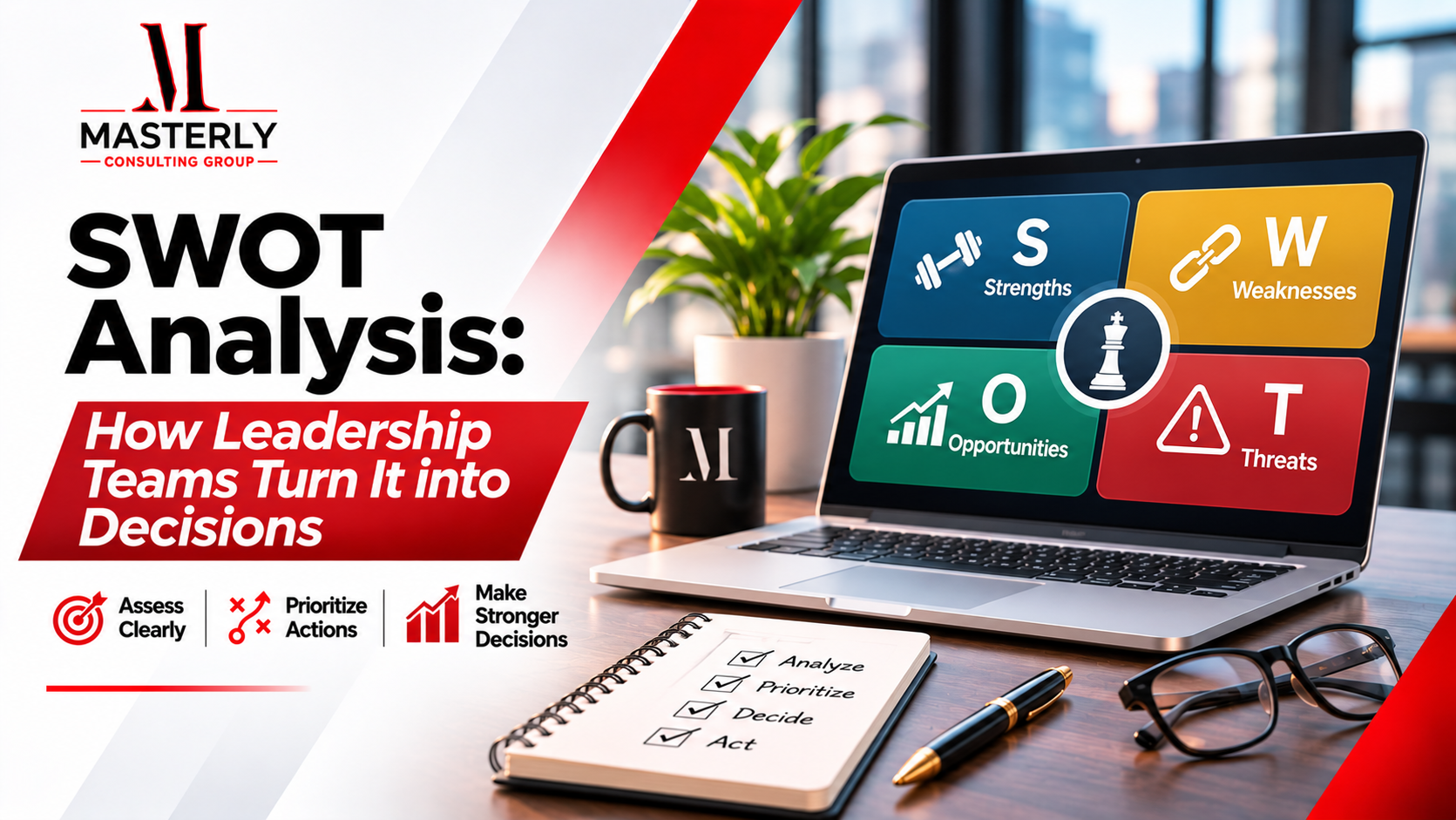
Vision - A compelling vision aligns the organization towards common goals. Teams capture their company's vision, core focus, target market, and priorities in a simple document. The Vision/Traction Organizer (V/TO) is a core EOS tool used for strategic planning, typically covering a long-term target, a three-year picture, a one-year plan, and quarterly priorities.
People - The People component ensures the right individuals occupy the right jobs. This means values alignment plus clear expectations tied to outcomes, not just titles. Tools like an accountability chart and a simple "gets it, wants it, has the capacity" filter help leaders determine who belongs in which seat.
Data - Data involves creating a scorecard to monitor key business metrics. A weekly scorecard with 5–15 key numbers - qualified leads, churn rate, on-time delivery, NPS - lets leaders make data driven decisions instead of waiting for month-end financials.
Issues - Issues must be systematically identified and addressed to prevent business undermining. A running issues list paired with a simple protocol (identify, discuss, solve) converts recurring problems into permanent fixes. Issues promotes timely identification and resolution of problems using a structured approach.

Vision and Traction: Connecting Long-Term Direction to Quarterly Focus
There is a natural tension between a company's long-term vision and the short work that needs to happen this week. EOS emphasizes a 10-year vision, which can be unrealistic in rapidly changing industries like AI or SaaS. Many businesses are shifting to annual and quarterly planning cycles, using a 3–5 year horizon instead.
A typical vision-to-execution flow looks like this:
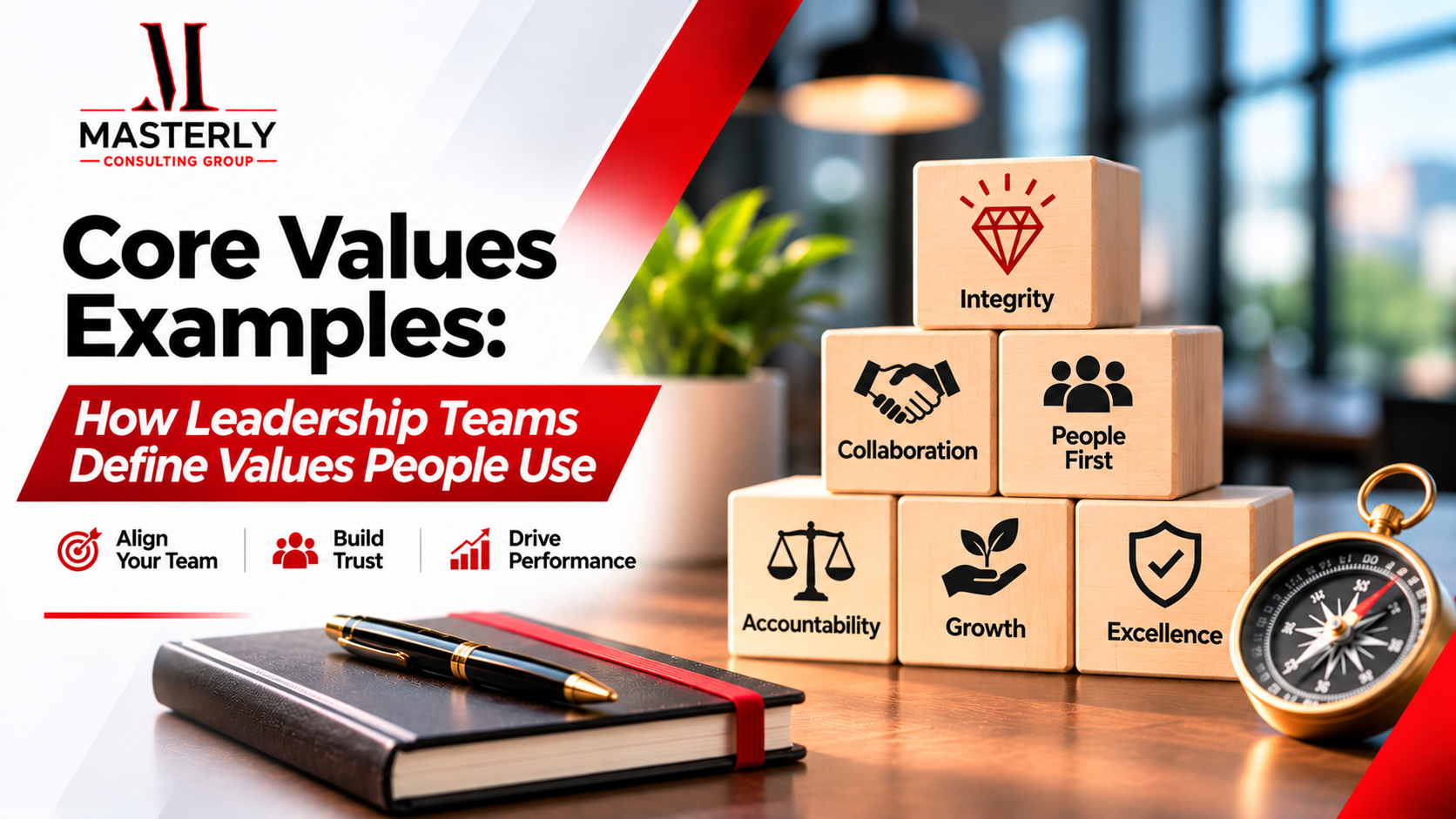
- Define core values, core focus, and target market
- Set a 3–5 year ambition (revenue, market position, team size)
- Break that into a one-year plan with measurable targets
- Choose 3–7 quarterly rocks that move the core strategy forward
Cascading goals replace EOS's rigid "rocks" system for flexibility in some teams, letting departments set their own priorities aligned to the company target. Shorter, actionable planning cycles create urgency and allow fast changes when markets move.
Example: A B2B services company targeting $10M in three years might set Q1 rocks like: hire two senior account managers, standardize the proposal process, and improve customer onboarding NPS from 70 to 80. Each rock has an owner and a measurable finish line.
People, Roles, and Culture in an Entrepreneurial Operating System
Even the best operating system fails without great people in the right seats and a culture that holds everyone accountable. Having the right people in the right roles is not about job titles - it is about finding individuals whose values match the organization and who have the capacity to deliver outcomes.
The visionary and integrator split is common in larger companies. The visionary provides direction and ideas; the integrator manages day-to-day execution. In a 5–15 person team, these roles are often blended, and forcing the split can feel artificial.
Commitment culture connects individuals to the organization's vision. When people see how their work ties to the company's future, engagement rises. A commitment culture leads to increased productivity and lower turnover. Creating a commitment culture requires ongoing commitment to improvement - it is not a one-time initiative.
How to keep culture and structure from becoming bureaucratic:
- Use regular check-ins, which are essential for maintaining commitment culture, instead of only annual reviews
- Quarterly reviews enhance accountability in commitment culture by anchoring feedback on rocks, shared metrics, and core values
- Tailored performance management systems improve team accountability far more than generic templates
- Keep tools lightweight: a basic accountability chart, a role scorecard, and a consistent hiring and feedback rhythm
Connect people development to your operating rhythm. As discipline matures, add leadership development conversations without building a heavy HR framework.
Meetings, Scorecards, and Operating Rhythm
An operating rhythm is the set of recurring meetings and reports that keep everyone aligned. Done well, it replaces chaos with consistency. Done poorly, it becomes meeting overload.
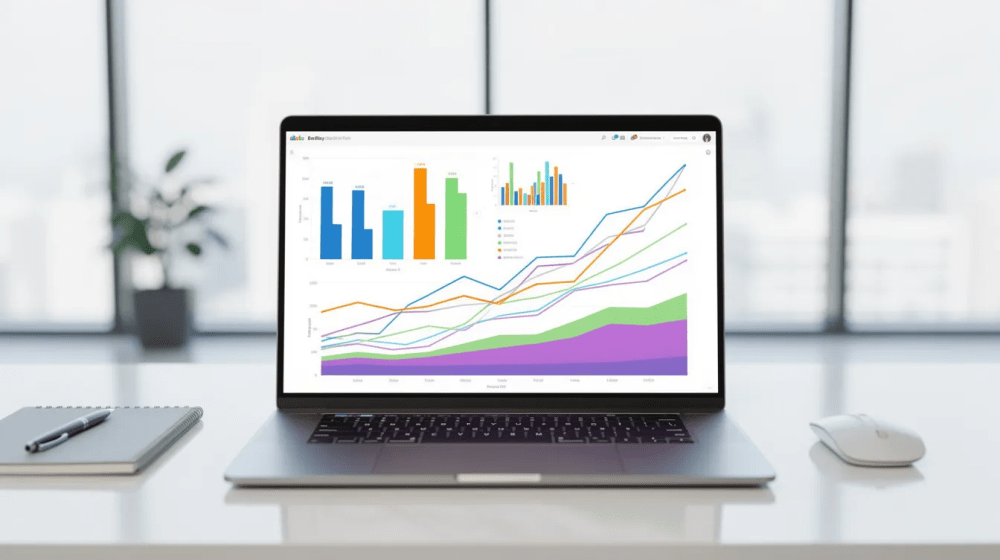
Level 10 Meetings provide a structured format for weekly leadership meetings. A typical weekly meeting in 2026 runs 60–90 minutes, same day and time each week, with a tight agenda: scorecard review, rock status, customer and people headlines, then solving problems - not giving status updates.
Weekly meetings in EOS can lead to busywork creep if the team is not disciplined about keeping the agenda focused on high-leverage issues. AI tools streamline repetitive tasks and enhance team focus by automating scorecard updates and issue tracking, freeing leaders to spend meeting time on solving problems rather than collecting data.
What belongs at each cadence:
- Weekly - scorecard review, rock check-in, top 1–3 issues
- Monthly - financial review, pipeline health, customer insights
- Quarterly - reset rocks, review vision, assess team health
- Annual - revisit long-term direction, define the one-year plan, align on strategy
For smaller teams: start with one weekly meeting and a simple Google Sheet before adding departmental meetings or specialized software.
When to Use a Framework Like EOS - and When to Customize
EOS traction and similar systems have helped many founder-led companies move from chaos to discipline, especially between roughly 10 and 250 employees. Implementing EOS creates alignment, improves decision-making, and enhances communication across the leadership team.
A packaged framework fits well when:
- Priorities shift every month and nothing gets finished
- Core processes are inconsistent across locations or people
- Leaders cannot articulate the company's vision without looking it up
- Results are unpredictable quarter to quarter
A lighter, custom rhythm may work better when:
- The team has fewer than 10 people
- The company is pre-product-market-fit and needs flexibility above all else - flexibility is essential for thriving in today's business environment
- Leaders already run a sophisticated strategic planning process
There are real trade-offs. EOS can feel rigid for smaller, dynamic teams. EOS's inward focus can disconnect businesses from market needs if leaders spend all their energy on internal rhythms and miss external shifts. EOS lacks depth in performance management assessments, which is why many companies layer in their own review tools. EOS requires commitment from leadership to consistently implement its principles - without that follow through, the tools decay.
Treat any operating system as a starting template, not a rulebook. Keep what helps, drop what creates friction, and evolve as the company grows.
Getting Started Without Overbuilding Your Operating System
Many leadership teams feel they should adopt a big framework, but the risk is adding complexity faster than the business can absorb it. A strong foundation does not require every tool on day one.
A simple 90-day starting plan:
- Write a one-page strategy that captures your company's vision, target market, and key elements of differentiation
- Define a basic accountability chart showing who owns what
- Choose 3–5 company priorities for the quarter
- Set up a weekly leadership meeting with a draft scorecard tracking 5–10 key numbers
Start with the founder and 2–5 leaders before pushing the rhythm across the entire organization. A clear strategic plan and a team charter are the two most useful starting documents. As the system matures, layer in leadership development conversations.
Review and refine your operating system every quarter. Drop unused tools. Reinforce the few that clearly improve focus, speed, and accountability.
FAQs About Entrepreneurial Operating Systems
What is the difference between EOS and a strategic plan? A strategic plan sets direction - where you are going and why. An entrepreneurial operating system like EOS includes a simple strategic plan inside it but adds roles, meeting rhythms, metrics, and problem-solving habits. The plan tells you what to achieve; the system manages how you execute.
Can a small team use an operating system? Yes. Even a 5–10 person company benefits from a one-page vision, clear roles, and a weekly meeting. Keep tools lightweight: fewer rocks, shorter meetings, a simple scorecard. You do not need a full framework to create consistency and discipline.
How long does it take to put an operating rhythm in place? Expect 30 days to pilot a basic weekly meeting and scorecard. Within 90 days, quarterly planning should feel comfortable. Full implementation - where the rhythm becomes "the way we work" - typically takes 6–12 months for a leadership team.
Do we need software to run an entrepreneurial operating system? Spreadsheets and shared docs are enough at the start. Specialized tools exist and can help with visibility and consistency, but they are optional. Focus on the habits first; upgrade the tools later.
Next Steps and How to Get Support
An entrepreneurial operating system helps teams connect strategy to daily work through a simple rhythm of vision, roles, priorities, and metrics. Start small: clarify your strategic plan, define your team charter, and run a better weekly meeting before considering a full framework rollout.
If you want help designing a custom operating rhythm for your leadership team and growth stage, reach out to Masterly Consulting Group. Schedule a consultation or call (888) 209-4055.
The best operating system is the one your team will actually use consistently - not the most complex framework on paper.