Executive Coaching to Secure Your Reputation as a Trusted Authority in Your Industry
The High Stakes of Leadership in Today’s Fast-Changing World
In a fast changing world, leaders are under constant pressure to adapt, innovate, and stay relevant. Reputation is no longer built solely on experience—it is forged in how effectively executives navigate uncertainty and deliver measurable success.
Without guidance, even highly skilled executives risk missing great opportunities or making decisions that weaken their credibility. This is where executive coaching becomes essential: a trusted process to help leaders sharpen their skills, project confidence, and strengthen their professional brand.
Executive Coaching as a Strategic Investment
Unlike generic training programs, executive coaching is a highly personalized approach designed to meet the needs of each person in a leadership role. Through one-on-one coaching sessions, tailored strategies, and access to proven assessment tools, executives gain clarity about their strengths and areas for improvement.
For senior leaders, the return on investment is tangible. Better decision-making, stronger leadership teams, and alignment with organizational goals all create a ripple effect of growth throughout their organizations.
How Executive Coaching Strengthens Reputation
Reputation is built on trust, consistency, and the ability to deliver results. Through executive coaching, leaders learn how to communicate effectively, inspire teams, and lead with authenticity.
Coaching gives executives the tools to position themselves as respected authorities within their industry, making it easier to serve clients, influence peers, and gain recognition within communities they represent.
The Role of the International Coaching Federation
At Masterly Consulting Group, our coaches adhere to the standards of the International Coaching Federation, ensuring every executive coaching program follows best practices and ethical guidelines. This guarantees that our clients are supported by certified professionals with deep expertise in both leadership development and personal growth.
This level of credibility assures executives that their reputation is being strengthened through guidance rooted in global standards and proven research.
How Coaching Supports C-Suite Leaders
For members of the c suite, the margin for error is slim. Every decision they make carries weight across entire organizations. With executive coaching, chief executives, CFOs, and even a chief operating officer gain confidential space to evaluate challenges, test ideas, and make better decisions.
Having a partner in the form of an experienced coach helps these leaders maintain credibility and ensures their voice carries authority when addressing teams, stakeholders, or the broader industry.
Coaching for Senior Leaders and Emerging Talent
Executive coaching is not reserved only for CEOs. Senior leaders, managers, and even high-potential candidates benefit from structured coaching sessions. By strengthening communication, decision-making, and leadership skills, they establish a professional reputation that sets them apart from competitors.
For those in career transition, coaching provides critical support in navigating the unknown and securing new roles with confidence.
The Role of Coaching in Team Development
Strong leadership teams rely on effective communication, collaboration, and trust. Executive coaching helps leaders understand how to serve their teams, rather than just direct them. Through guided insights, executives learn how to align teams with the organization’s long-term vision.
The result is not only stronger teams, but also stronger leaders, both of which enhance a reputation for reliability and authority.
Using Assessment Tools to Drive Growth
Effective executive consulting often incorporates assessment tools that provide measurable benchmarks for growth. These tools evaluate leadership style, communication preferences, and problem-solving approaches.
By reviewing results, executives and their coaches can discover blind spots, learn new strategies, and address areas that may undermine authority. Using evidence-based tools ensures that progress is both intentional and trackable.
Building Confidence Through Coaching
Reputation often hinges on how much confidence a leader projects. Through executive coaching, executives refine their presence, tone, and leadership style to inspire trust.
Whether addressing teams, presenting to the c suite, or representing their organizations at industry events, a confident demeanor strengthens the perception of authority and reliability.
The Positive Impact of Coaching on Organizations
The positive impact of coaching doesn’t stop at the individual. When executives grow, their organizations benefit. Improved decision-making trickles down into stronger teams, more resilient leadership practices, and more effective strategies.
This creates a culture of accountability and growth, allowing companies to stand out in competitive industries and establish their leaders as trusted authorities.
Executive Coaching Helps Address Challenges Head-On
Every leader will face challenges that test their skills, patience, and credibility. Through targeted executive coaching, these challenges become opportunities for growth.
By working with experienced consultants, executives gain tailored advice, insights, and actionable strategies that help them overcome obstacles and maintain authority.
Making Meaningful Connections That Build Reputation
Authority in leadership isn’t just about titles—it’s also about relationships. Through executive coaching, leaders learn how to cultivate meaningful connections with their teams, peers, and external stakeholders.
Strong relationships amplify a leader’s credibility and demonstrate that they can lead with empathy as well as authority.
Coaching for the Future of Leadership
The future of leadership will demand adaptability, emotional intelligence, and constant learning. Executive coaching prepares executives for what lies ahead, equipping them with the skills to navigate uncertainty and lead with confidence.
By anticipating the future, leaders secure their reputation as professionals who are always one step ahead, ready to tackle tomorrow’s challenges today.
Executive Coaching and Education for Growth
Modern executives must be lifelong learners. Through executive coaching, leaders engage in continuous education that keeps their perspectives sharp and informed.
By integrating the latest research and leadership theories, coaches empower executives to explore innovative solutions and maintain relevance in a changing world.
Coaches as Facilitators and Partners
A skilled coach serves as a facilitator and trusted partner. Rather than dictating answers, coaches guide executives through self-discovery, helping them learn and apply new practices.
This collaborative relationship strengthens decision-making, sharpens vision, and builds a lasting foundation of authority.
Building Highly Engaged Leadership Teams
A reputation as a strong leader comes from building highly engaged leadership teams. With the support of executive coaching, managers and directors are able to align their teams around a shared vision, reinforcing their own credibility.
Coaches provide resources and proven practices that encourage teams to stay motivated and committed to achieving organizational goals.
Executive Coaching as a Tool for Recruiting and Retention
In competitive industries, recruiting and retaining top candidates is crucial. Executive coaching strengthens the employer brand, showing that the company invests in growth and development.
This sends a strong message to both current employees and potential recruits: the company values leaders who are supported in their journey.
The Role of Consultants in Executive Coaching
Experienced consultants bring deep expertise to executive coaching programs. They draw from years of working with diverse organizations, providing insights that are both practical and transformative.
By working with trusted consultants, executives can explore new ways of thinking, develop fresh strategies, and learn how to build authority more effectively.
Innovation Through Executive Coaching
Authority is closely tied to innovation. Through executive coaching, leaders are encouraged to embrace innovation and take bold steps in their industries.
This commitment to forward thinking strengthens reputation and positions executives as visionaries who can lead their organizations into the future.
Building Authority Through Mentoring and Coaching
Alongside structured coaching, mentoring offers another avenue for growth. Executive coaching helps leaders embrace mentoring roles, allowing them to serve as guides for the next generation of leaders.
By becoming mentors, executives reinforce their reputation as trusted authorities who share wisdom and personal experience to support others.
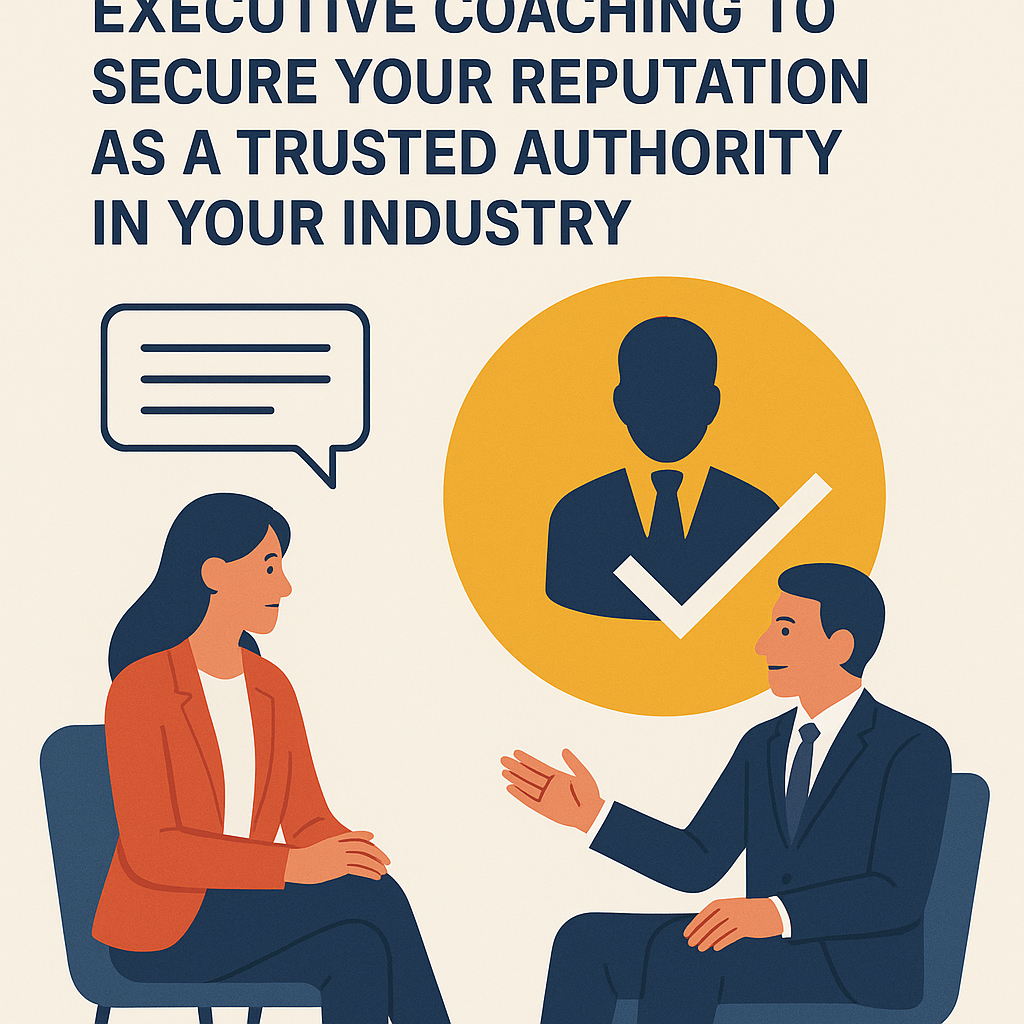
How Executive Consulting Prepares Leaders for Critical Leadership Roles
Authority in any industry comes from demonstrating the ability to thrive in demanding leadership roles. Through targeted executive consulting, professionals gain the perspective and support needed to strengthen decision-making, sharpen communication, and build lasting credibility. This approach combines structured executive coaching with practical insights, helping leaders address challenges while positioning themselves as trusted authorities. By investing in executive consulting, executives and emerging leaders alike can secure reputations that elevate both their careers and the organizations they represent.
Building Lasting Authority Through Business Coaching and Focused Development
Strengthening your reputation as a trusted authority often requires more than traditional training—it calls for tailored business coaching that sharpens focus and clarifies goals. By addressing both personal growth and business challenges, coaching provides leaders with a deeper understanding of how to guide teams and organizations effectively. Just as a school equips students with the knowledge they need to succeed, business-focused coaching equips executives with the tools to thrive in high-stakes environments. This process not only enhances leadership credibility but also reinforces the professional brand that sets you apart in your industry.
Contact Masterly Consulting Group for Executive Coaching Services
If you’re an executive or emerging leader who needs to secure your reputation as a trusted authority, the time to act is now. At Masterly Consulting Group, our certified coaches provide executive coaching programs that deliver measurable results for leaders, senior leaders, and c suite professionals.
Our executive consulting approach combines assessment tools, proven strategies, and coaching tailored to your career stage. Whether you are navigating leadership challenges, transitioning into new leadership roles, or preparing for what lies ahead, we are here to help.
Contact us today at (888) 209-4055 to book a free consultation. Our team will answer your questions, evaluate your unique needs, and design a personalized coaching program that helps you stand out as a trusted authority in your industry.