Planning Your Next Chapter How Executive Coaching Prepares You for a Smooth Career Exit
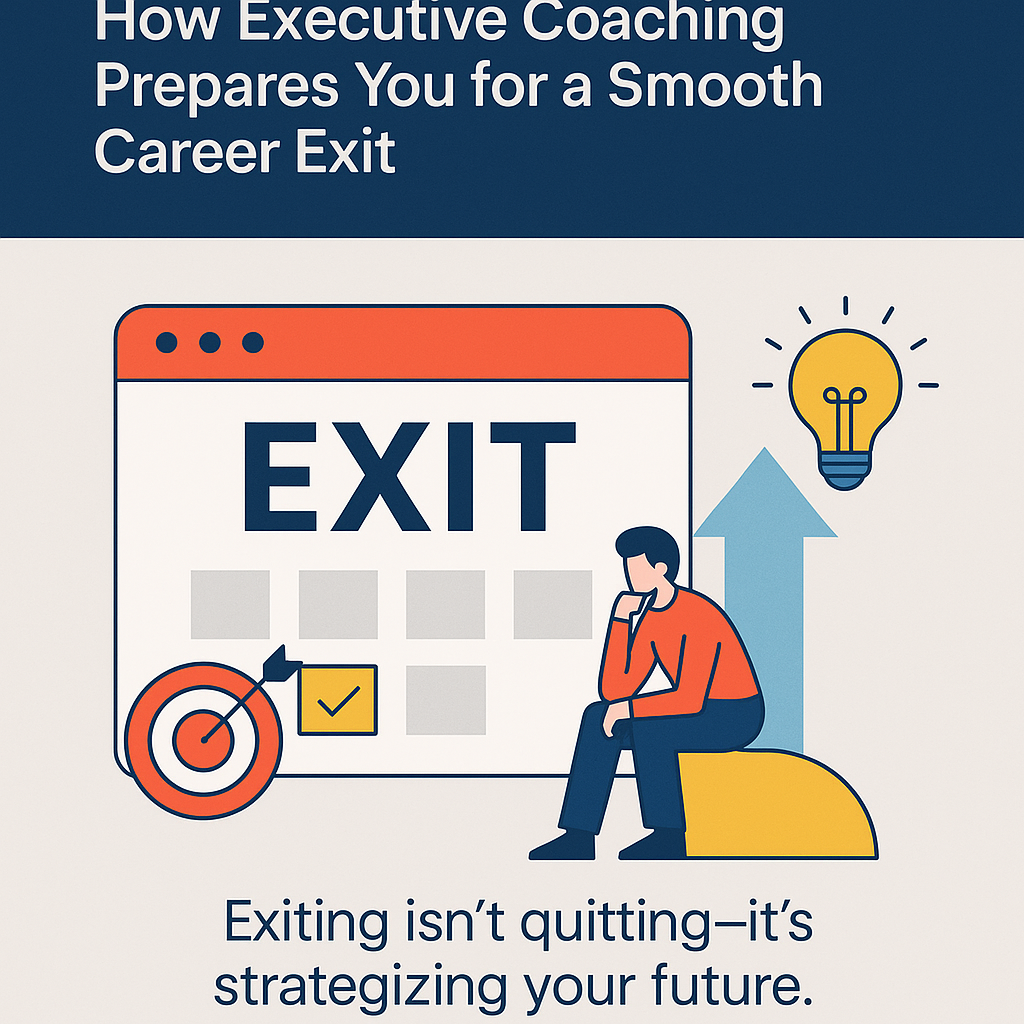
Exiting Isn’t Quitting It’s Strategizing Your Future
For many executives, stepping away from a role is seen as the end of a chapter. But with the right support, it can also be the beginning of something even better. Executive coaching helps leaders transform their departure into a springboard toward greater impact. Whether you're nearing retirement, exploring entrepreneurship, or preparing for a new position, a coach can help you clarify direction, plan intentionally, and exit with confidence.
The Role of Executive Coaching in Career Transitions
Executive coaching is designed to support professionals at pivotal moments. Exiting a role is more than writing a resignation letter—it involves mindset, strategy, and future planning. Through confidential coaching engagements, executives explore new paths, develop strategies, and learn how to leverage their experiences.
Leaving With Purpose, Not Pressure
It’s common for senior leaders to feel pressure to act quickly when contemplating career changes. But rushing the process can result in missed opportunities or unclear decisions. Executive coaching services create the space needed to pause, reflect, and choose an exit strategy that aligns with both your personal and professional lives.
Who Benefits Most from Exit Strategy Coaching?
Our coaching services at Masterly Consulting Group are ideal for:
- Senior leaders preparing for retirement
- Executives exploring board positions or consulting work
- Business owners planning succession
- High-potential talent ready to pivot into new industries
- Managers transitioning into different leadership roles
No matter your title, we help leaders build the clarity needed to exit successfully.
Building a Strategic Exit Plan
An executive coach helps leaders design an intentional exit strategy that aligns with their values, skills, and long-term goals. This plan may include identifying new roles, restructuring responsibilities, mentoring successors, or preparing for advisory or nonprofit positions.
Beyond the Exit: Preparing for What Comes Next
Executive leadership coaching focuses not just on leaving, but also on where you're going next. A coach helps identify opportunities that fit your strengths, passion, and leadership experience. Whether you want to shift industries, launch a venture, or slow down, coaching helps leaders develop clear next steps.
Creating Urgency Before It’s Too Late
Many executives wait too long to start planning their transition. Without a clear roadmap, exits become reactive instead of proactive. Executive coaching provides a strategic advantage by helping you make thoughtful moves before external forces make them for you.
Gaining an External Perspective
It’s easy to get stuck in your own way of thinking. A certified coach offers an external perspective that challenges assumptions, facilitates learning, and broadens your view of what's possible. That perspective can be a game changer during career shifts.
The Power of Certified Coaches
At Masterly Consulting Group, we work with certified coach professionals including Professional Certified Coaches, Associate Certified Coaches, and Master Certified Coaches recognized by the International Coaching Federation (ICF). This ensures every client receives coaching rooted in global best practices and ethical standards.
Navigating Uncertainty With Confidence
Career exits often bring uncertainty. Coaching supports emotional intelligence, self awareness, and communication skills that help leaders navigate this with clarity. These sessions focus on both mindset and action to ensure steady progress.
Transitioning With Clarity, Not Chaos
It’s common for executives to feel overwhelmed when planning an exit. Coaching helps leaders organize their thoughts, evaluate timing, and take action that aligns with professional goals.
Developing Exit Strategies Through Leadership Coaching
Leadership coaching provides structure and accountability. Coaches help clients explore priorities, define non-negotiables, and determine what success looks like in their next chapter. These leadership development conversations drive intentional planning.
Making the Most of Your Legacy
An exit is a moment to solidify your legacy. Coaching helps executives decide what they want to leave behind and how to support future leadership. This can include mentoring, documentation, or reshaping organizational culture before departure.
Preparing for Board and Advisory Roles
Many executives want to stay engaged in business after they exit. Executive coaching services help leaders position themselves for board seats, consulting opportunities, or partnerships. Coaches refine your story and build your external presence to attract those roles.
Improving Communication During Transitions
Exiting a leadership role requires clear and respectful communication. Coaching develops language for internal and external messaging, ensuring transparency with stakeholders while protecting your professional reputation.
Planning Personal Development as Well as Career Growth
Leadership transitions aren’t just professional—they’re personal. Coaches help clients focus on personal growth, lifestyle goals, and the role work will play in the next chapter of life.
Tapping Into Your Distinctive Strengths
Exiting well means knowing what makes you uniquely valuable. Coaching sessions highlight your distinctive strengths, helping you position them effectively in interviews, introductions, or new business pitches.
From Self Awareness to Self Promotion
Coaching builds self awareness that feeds into your professional brand. Understanding your impact, style, and priorities allows you to articulate your value clearly when marketing yourself for what’s next.
How Coaching Helps Leaders Stay Future-Focused
Executive coaching works best when it prepares clients for what’s ahead. These conversations reduce anxiety and increase focus on opportunities. Instead of dwelling on loss, leaders look forward with purpose.
Finding Your New Leadership Voice
A career exit can create identity questions. Coaching supports the process of discovering or redefining your leadership voice so you can step into the next chapter with authenticity and confidence.
Transition Coaching for Different Organizational Levels
Not all exits look the same. From CEOs to team leaders, each person has unique goals. Our coaching practice offers tailored programs that address the challenges of different organizational levels and career paths.
How Executive Coaching Differs From Management Consulting
While a management consultant solves business problems, a coach focuses on the leader. Executive coaching services offer a personalized approach that emphasizes growth, resilience, and the human side of change.
Building Confidence Through Coaching Engagements
Many executives struggle with confidence as they prepare to exit. Coaching engagements help build that confidence by focusing on progress, strengths, and tangible results.
Helping Leaders Avoid Regretful Decisions
A rushed decision can lead to burnout, financial loss, or missed opportunities. Coaches help leaders slow down, evaluate their options, and make informed choices they won’t regret later.
Your Exit Doesn’t Have to Be a Solo Journey
You don’t need to figure it all out alone. Coaching provides structured support, honest feedback, and personalized development to help you take control of your career transition.
Training and Coaching: A Dual Investment
While leadership training builds skills, coaching strengthens the mindset to apply them. Combining both improves outcomes during transitions and ensures growth continues after you exit.
Partnering With the Right Executive Coach
The best coaching outcomes come from relationships built on trust. At Masterly Consulting Group, our coaches are matched to clients based on goals, experience, and communication style to build trust and accelerate growth.
Building Career Resilience Through Coaching
Change is inevitable. Coaching prepares leaders to embrace it. We help clients develop the resilience and mindset to turn uncertainty into opportunity and grow through transition.
Supporting Non-Profit and Global Organization Leaders
Our executive coaching services are not limited to corporate clients. We help leaders in non profit organizations, international coaching federation-aligned firms, and global organizations develop strategies to exit roles with grace and purpose.
The Link Between Coaching and Organizational Effectiveness
An executive exit doesn’t just affect the individual. It impacts teams and culture. Coaching ensures your departure supports the organization’s success and minimizes disruption.
Facilitating Career Change With Structure
Without structure, career change can feel overwhelming. Coaching offers step-by-step guidance to plan and execute your exit in a way that leads to growth, not confusion.
Executive Coaching Services That Deliver Results
At Masterly Consulting Group, our executive coaching services help clients take control of their careers and exit with clarity. Through decades of coaching experience, we’ve seen firsthand how coaching works. When guided by skilled professionals, exits become strategic moves that lead to advancement, freedom, or reinvention.
Preparing for What’s Next: Executive Coaching as a Catalyst for Purposeful Career Transitions
Transitioning out of a leadership role doesn't mean stepping away from impact—it’s an opportunity to align organizational goals with personal fulfillment. With over a decade of consulting experience and continuing education from institutions like the Kellogg School, executive coaching programs offer a unique program tailored for senior leaders navigating organizational change. These programs focus on developing leaders through coaching conversations that promote reflection, client growth, and the adoption of new skills and new behaviors. Whether delivered in person or virtually, this coaching sharpens coaching skills, enhances understanding of human behavior, and supports human resources initiatives tied to talent development. From working with external clients to aligning with general management goals, executive coaching ensures the successful completion of a leadership chapter while preparing for a purposeful new beginning.
Why a Certified Executive Coach Is Essential for Your Leadership Transition
Partnering with a certified executive coach ensures you receive expert guidance rooted in both practical consulting experience and evidence-based methodologies. These professionals are trained to navigate complex human behavior, facilitate meaningful coaching conversations, and align personal growth with broader organizational goals. Especially for executives preparing for a career pivot or organizational change, a certified coach brings tools from continuing education programs—often from top institutions like the Kellogg School—to help leaders adopt new skills and new behaviors. Their role extends beyond internal development to supporting external clients, aiding in talent development, and reinforcing strategic priorities in human resources and general management. For leaders seeking clarity, fulfillment, and a successful completion of their professional journey, a certified coach offers a unique program of insight, accountability, and transformation.
Executive Coaching Training: Building the Skills to Lead and Inspire Transformation
Executive coaching training equips current and aspiring leaders with the coaching skills needed to drive personal growth, guide organizational change, and support talent development. Through immersive coursework, often grounded in continuing education from esteemed institutions like the Kellogg School, participants learn to facilitate powerful coaching conversations, understand human behavior, and align efforts with broader organizational goals. With over a decade of consulting experience, many programs offer a unique program blending real-world application with academic insight. Whether conducted in person or virtually, this training prepares professionals in general management, human resources, or client-facing roles to foster new behaviors, support external clients, and enable client growth. Completing executive coaching training is more than a credential—it’s a transformational experience that prepares leaders for the successful completion of every stage in their professional journey.
How an Executive Career Coach Helps You Navigate Leadership Transitions with Confidence
An executive career coach provides strategic, personalized support for leaders preparing to shift roles, pursue new opportunities, or exit their careers with purpose. Drawing on over a decade of consulting experience, combined with advanced continuing education from institutions like the Kellogg School, these coaches offer a unique program designed to align organizational goals with individual aspirations. Through deep coaching conversations, clients develop new skills, explore new behaviors, and strengthen coaching skills that prepare them for what's next. These professionals understand human behavior and bring insights from both human resources and general management perspectives—benefitting internal teams and external clients alike. Whether the goal is client growth, talent development, or the successful completion of a leadership chapter, an executive career coach ensures the journey is structured, empowering, and impactful.
Executive and Leadership Coaching: Empowering Growth at Every Stage of Your Career
Executive and leadership coaching is a powerful strategy for cultivating resilience, agility, and confidence in today’s fast-changing business environment. Whether you're facing organizational change, preparing for succession, or aiming for the successful completion of your role, coaching offers a structured path to transformation. These programs are grounded in human behavior science and enriched by consulting experience, often including continuing education from elite institutions like the Kellogg School. Through impactful coaching conversations, leaders enhance coaching skills, build new behaviors, and acquire new skills that align with long-term organizational goals. From working with external clients to leading talent development initiatives, coaching equips professionals in general management and human resources to unlock their full potential and drive sustained client growth.
Talk to an Executive Coach Today
At Masterly Consulting Group, we specialize in executive coaching that empowers leaders to make confident, strategic career moves. If you’re planning your next professional chapter, don’t do it alone. Executive coaching gives you the tools, perspective, and support to exit on your own terms and set the stage for what comes next. Whether you're a senior executive, rising leader, or transitioning founder, we tailor each engagement to your unique goals.
Contact us at (888) 209-4055 to book a free consultation. Let’s map out your exit strategy and position you for long-term success.