HR Risk Management Strategies Every Business Owner Should Implement
Running a successful business requires more than just generating revenue and managing operations—it also involves minimizing risks related to human resources (HR). Implementing strong HR risk management strategies can protect your company from compliance issues, employee disputes, and financial losses. Whether you run a large corporation or a small business, having a well-structured HR strategy is essential for sustainable growth.
Understanding HR Risk Management
HR risk management involves identifying, assessing, and mitigating risks associated with managing employees and workplace policies. Business leaders must ensure that their HR function aligns with compliance requirements while also fostering a positive work environment. A well-developed HR strategy can improve employee relations, reduce turnover, and enhance overall business growth.
Key HR Risks Businesses Face
- Legal Compliance Risks – Failure to comply with employment laws can result in costly fines and lawsuits.
- Employee Relations Issues – Poor workplace culture and unresolved disputes can lead to high turnover rates.
- Talent Management Challenges – Hiring and retaining top talent requires a structured HR strategy.
- HR Technology Risks – Outdated or insecure systems can compromise sensitive employee data.
- Performance Management Gaps – Lack of effective performance management can decrease productivity and morale.
Implementing Strong HR Policies
Establishing clear and comprehensive HR policies is the foundation of effective risk management. These policies should address everything from employee relations to benefits packages and employee handbooks. A reliable HR consulting firm can help design customized solutions that align with your company's goals and reduce legal risks.
Essential HR Policies to Implement
- Workplace Conduct Policies – Set clear expectations for behavior, including anti-harassment and discrimination rules.
- HR Compliance Guidelines – Ensure adherence to labor laws, wage regulations, and workplace safety requirements.
- Talent Acquisition and Retention Strategies – Define structured hiring and retention strategies.
- Performance Management Process – Establish regular performance reviews and feedback mechanisms.
- HR Audits and Reviews – Conduct periodic HR audits to assess HR operations and identify gaps.
What Do HR Consultants Do to Support Business Risk Management?
HR consultants provide businesses with expert guidance on workforce management, compliance, and organizational development. Their primary role is to assess and improve HR practices, ensuring companies adhere to labor laws and industry regulations. Businesses often hire HR consultants to handle recruitment, employee relations, training programs, and policy development.
In addition to offering strategic advice, HR consultants conduct audits to identify potential risks, streamline HR operations, and enhance workplace culture. By working with businesses across various industries, they tailor solutions that align with company goals and mitigate risks related to employment disputes, regulatory violations, and compliance issues. Whether focusing on hiring strategies, employee benefits, or workplace policies, HR consultants play a crucial role in strengthening a company’s overall risk management framework.
How Most HR Consultants Help Businesses Mitigate Risks
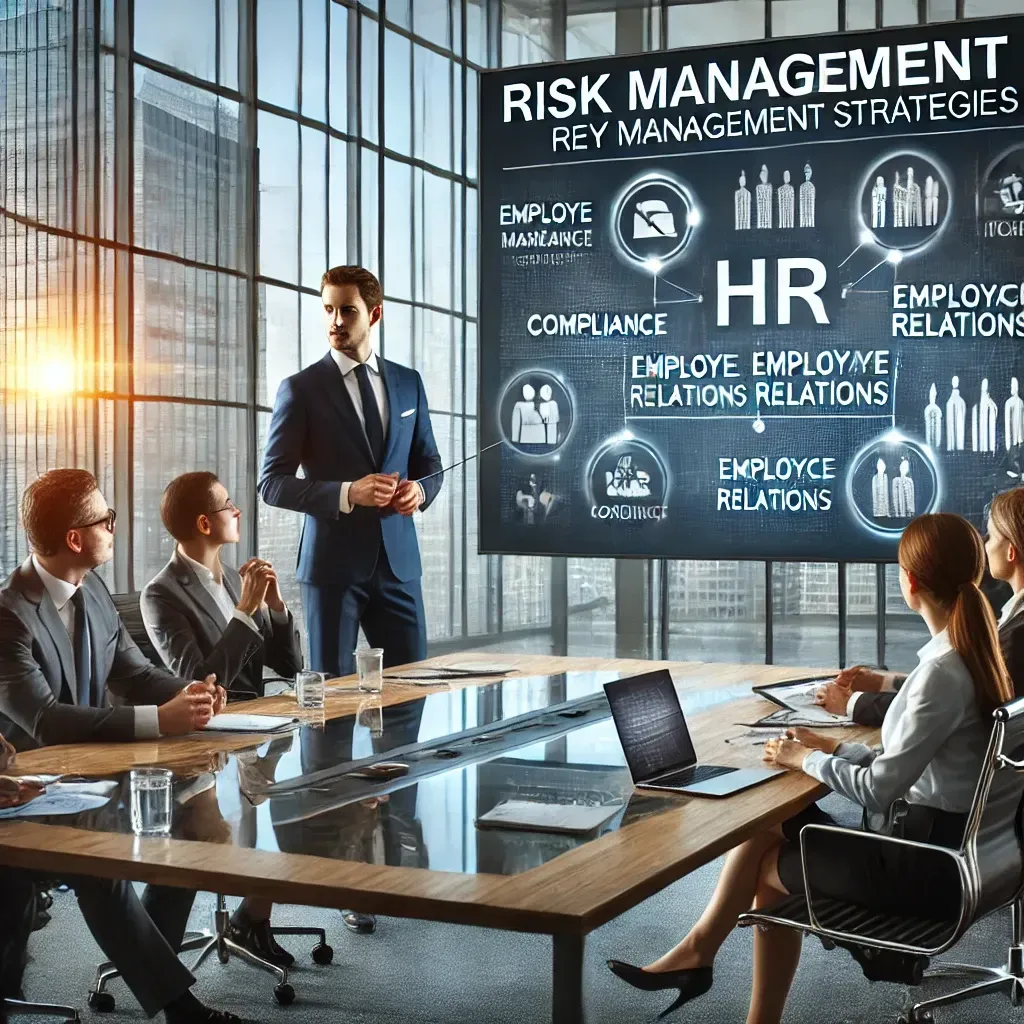
Most HR consultants specialize in helping businesses navigate complex employment laws, streamline HR operations, and develop policies that reduce workplace risks. They assess company policies, ensure compliance with labor regulations, and provide guidance on best HR practices to improve workforce management.
In addition to compliance support, most HR consultants assist with employee relations, training programs, and performance management strategies. They work with businesses across various industries, tailoring HR solutions that align with company goals while mitigating potential legal liabilities. By offering expert advice and customized HR strategies, most HR consultants help organizations build a strong and compliant workforce, ultimately contributing to long-term business success.
HR Risk Management Strategies Tailored for Small Businesses
For small businesses, effective HR risk management is crucial to maintaining compliance, protecting employees, and avoiding costly legal disputes. Unlike large corporations with dedicated HR departments, small businesses often rely on outsourced HR consulting or a small HR team to handle workforce policies and risk mitigation. Implementing structured HR practices ensures that hiring, employee relations, and workplace policies align with labor laws and business goals.
Since small businesses operate with limited resources, investing in proactive HR strategies can help prevent issues such as wrongful termination claims, wage disputes, and workplace conflicts. Many HR consultants specialize in helping small businesses create policies, manage employee training, and establish compliant hiring processes. By developing a solid HR framework, small businesses can minimize risk while fostering a positive and productive work environment.
HR Consulting Services That Strengthen Business Risk Management
HR consultants offer a wide range of services to help businesses manage compliance, reduce workplace risks, and improve overall efficiency. These services include HR audits, employee training, policy development, and workforce management strategies tailored to company needs. By providing expert guidance, HR professionals ensure businesses comply with labor laws while fostering a productive and legally sound work environment.
One of the most valuable services HR consultants provide is compliance management, helping businesses stay up to date with ever-changing employment regulations. Other services include talent acquisition, onboarding programs, and employee performance evaluations, all of which contribute to a stronger and more efficient workforce. Additionally, HR consultants offer services such as benefits administration, payroll management, and workplace conflict resolution, ensuring that businesses operate smoothly without HR-related disruptions.
For companies looking to optimize their HR processes, HR consulting firms offer services like restructuring HR departments, streamlining administrative functions, and implementing modern HR technology. These services help businesses improve efficiency while minimizing risks related to employee management and legal compliance. Many HR consultants also provide specialized services for industries with unique regulatory requirements, ensuring tailored solutions that align with business objectives.
By leveraging these services, businesses can create a compliant and structured work environment while mitigating risks that could lead to costly legal issues. Whether a company needs ongoing HR support or project-based assistance, professional HR services offer long-term value by improving workplace operations and employee satisfaction.
How HR Consultants Support Clients with Effective Risk Management
HR consultants play a crucial role in helping clients navigate employment laws, optimize workforce management, and implement risk mitigation strategies. Whether working with small businesses, large corporations, or nonprofit organizations, they tailor HR solutions to meet each client's unique needs. By assessing workplace policies, ensuring compliance, and developing employee training programs, HR consultants help clients minimize potential legal risks.
Many HR consultants provide clients with ongoing support, offering expert advice on hiring, performance management, and workplace conflict resolution. Through detailed HR audits, consultants identify areas of improvement and recommend best HR practices to enhance workplace efficiency. By fostering long-term relationships with clients, HR professionals help businesses maintain compliance while improving employee engagement and retention.
In addition to compliance and workforce management, HR consultants assist clients with talent acquisition, onboarding, and benefits administration. They work closely with HR teams and leadership to ensure that HR strategies align with clients' organizational goals. The ability to offer flexible and customized HR solutions allows consultants to build trust and credibility with their clients, positioning them as valuable partners in business success.
By leveraging their expertise, HR consultants empower clients to proactively manage risks, streamline operations, and create a more efficient and legally compliant workplace. Their ability to provide strategic guidance and hands-on HR support ensures that clients can focus on growth while maintaining a strong HR foundation.
The Role of HR Consulting in Risk Management
Partnering with an HR consulting firm can provide businesses with the HR expertise needed to manage risks effectively. HR consultants offer HR consulting services that help organizations develop HR solutions tailored to their specific needs. Whether you require assistance with HR outsourcing, organizational development, or training programs, experienced HR professionals can guide your company toward compliance and efficiency.
Benefits of HR Consulting Services
- HR Compliance Management – Expert consultants help ensure compliance with labor laws.
- Employee Experience Improvement – Develop engagement strategies to foster a positive workplace.
- HR Process Optimization – Streamline HR processes for efficiency and consistency.
- Outsourcing HR Services – Reduce costs by utilizing outsourcing HR instead of maintaining an in-house HR department.
- Leadership Development – Equip managers with the skills needed to handle HR issues effectively.
Strengthening Employee Relations and Engagement
Effective employee relations play a crucial role in minimizing HR risks. A supportive workplace culture can improve employee engagement, reduce turnover, and build strong relationships between employees and management. HR services focused on communication, feedback, and workplace well-being contribute to a positive employee experience.
Ways to Enhance Employee Engagement
- Regular Feedback and Recognition – Employees thrive in environments where their contributions are valued.
- Career Path Development – Provide training and mentorship programs to retain top talent.
- Clear Communication Skills – Establish open lines of communication to address concerns proactively.
- Competitive Total Rewards – Offer attractive compensation and total rewards to retain employees.
Leveraging HR Technology for Risk Management
In today’s digital landscape, HR technology plays a significant role in mitigating risks. Automated HR solutions help businesses streamline HR tasks, maintain accurate records, and enhance data security. Using cloud-based human resources management systems ensures that businesses stay compliant and efficient.
Key HR Technology Solutions
- Payroll and Compliance Software – Automates wage calculations and tax compliance.
- Employee Self-Service Portals – Provides access to personal records and benefits information.
- Performance Management Tools – Tracks and evaluates employee progress systematically.
- HR Data Analytics – Identifies trends and areas for improvement in workforce management.
HR Risk Management Strategies for Sustainable Growth
A well-structured HR strategy is vital for achieving business goals and long-term success. Companies that proactively address HR risks can maintain a competitive edge in their industry. Whether through HR consulting support, HR audits, or outsourcing HR, having a comprehensive plan is key to maintaining compliance and fostering a productive workforce.
Actionable Steps for HR Risk Management
- Conduct regular HR audits to identify and mitigate risks.
- Implement structured HR processes for recruitment, performance reviews, and compliance.
- Utilize HR consulting services to stay ahead of regulatory changes.
- Leverage HR technology to improve efficiency and security.
- Develop a proactive HR function that aligns with business objectives and industry best practices.
The Role of Human Resource Management in Risk Mitigation
Effective human resource management is crucial for minimizing workplace risks, ensuring compliance, and fostering a productive work environment. Businesses that implement strong HR policies can prevent legal disputes, reduce employee turnover, and create a structured approach to workforce management. A well-organized human resource management strategy includes clear hiring processes, performance evaluations, workplace safety protocols, and employee training programs.
Partnering with experienced HR professionals or investing in human resource management consulting can help businesses stay up to date with employment laws and industry best practices. By prioritizing compliance, fair treatment, and employee engagement, companies can mitigate risks while building a strong, resilient workforce. Whether a small business or a large corporation, effective human resource management is key to long-term success and stability.
The Critical Role of an HR Specialist in Risk Management
An HR specialist plays a vital role in developing and implementing strategies that reduce workplace risks and ensure compliance with labor laws. From overseeing employee relations to managing performance evaluations, an HR specialist helps businesses create policies that align with legal requirements and company goals. Their expertise in areas like recruitment, benefits administration, and conflict resolution allows organizations to proactively address potential HR challenges.
By working closely with leadership teams, an HR specialist can assess workplace risks, implement training programs, and develop clear policies that promote a safe and compliant work environment. Their ability to identify and resolve HR issues before they escalate makes them an essential asset for any company looking to strengthen its workforce management and overall business operations.
Strengthening Risk Management with a Well-Structured HR Team
A strong HR team is essential for minimizing workplace risks, ensuring compliance, and fostering a positive work environment. From recruitment and onboarding to employee relations and regulatory compliance, an effective HR team implements policies that protect both the company and its workforce. They play a critical role in enforcing workplace safety standards, handling conflict resolution, and maintaining fair employment practices.
By proactively addressing potential HR challenges, a well-organized HR team helps businesses avoid legal issues, improve employee retention, and align HR strategies with company goals. Whether in-house or through external consulting, having a dedicated HR team ensures that businesses can navigate complex labor laws while building a productive and engaged workforce.
How a Strong HR Department and Effective HR Practices Reduce Business Risks
A well-structured HR department is essential for maintaining compliance, managing employee relations, and implementing risk mitigation strategies. By developing clear policies and procedures, the HR department helps businesses prevent workplace disputes, ensure fair treatment of employees, and comply with labor laws. Their role extends beyond hiring and payroll, encompassing conflict resolution, performance management, and workforce training to create a stable and productive work environment.
Implementing effective HR practices further strengthens risk management by standardizing hiring processes, enforcing workplace policies, and conducting regular compliance audits. These HR practices not only reduce legal liabilities but also improve employee engagement and retention. When businesses invest in a strong HR department and structured HR practices, they create a more resilient and legally compliant organization, ultimately contributing to long-term success.
How Human Resources Consulting Enhances Risk Management for Businesses
A strong human resources consulting strategy helps businesses navigate complex employment laws, improve workplace policies, and mitigate risks that could lead to costly legal issues. Many companies rely on HR professionals to provide general HR support, ensuring compliance with labor laws and fostering a positive work environment. Whether through in-house teams or external consultants, businesses benefit from general HR support that addresses employee relations, performance management, and workplace safety.
By implementing structured HR policies, organizations can reduce legal liabilities and improve operational efficiency. Partnering with HR consultants allows companies to refine hiring practices, develop comprehensive employee handbooks, and implement training programs that align with business goals. Investing in human resources consulting not only enhances compliance but also fosters a productive and engaged workforce, ultimately contributing to long-term success.
Building a Strong HR Risk Management Framework: Insights from HR Consulting Experts
A well-structured HR risk management strategy is essential for businesses to ensure compliance, mitigate risks, and create a productive work environment. Many businesses turn to an HR consulting business for expert guidance in establishing best HR practices that align with industry regulations. Most HR consultants specialize in areas such as compliance, employee relations, and talent management, providing critical insights to businesses across multiple industries. Whether working as an HR specialist, HR generalist, or junior HR consultant, professionals in the field help companies refine their processes and minimize potential liabilities.
A successful HR consultant understands the importance of a strong HR team and effective HR management to maintain a compliant and efficient workplace. Many HR consultants work closely with HR directors to implement policies and advise clients on workforce strategies tailored to their target market. Those looking to start their own business in HR consulting must develop strong communication skills, build relationships with professional organizations, and establish an office space that fosters credibility. By leveraging their bachelor’s degree and personal experience, consultants can attract clients, analyze data, and provide insights that align with client needs. The ability to work independently while offering a personal touch allows HR professionals to deliver expert advice to different organizations, ensuring long-term success in the field.
How an HR Consulting Business Helps Companies Manage Risk
An HR consulting business provides expert guidance to companies looking to improve their workforce management, compliance, and risk mitigation strategies. By offering tailored HR solutions, these firms help businesses navigate employment laws, develop strong workplace policies, and ensure smooth employee relations.
Companies that partner with an HR consulting business gain access to specialized expertise in areas such as recruitment, employee training, benefits administration, and conflict resolution. Whether for a small business or a large corporation, HR consultants play a key role in optimizing HR functions, reducing legal risks, and creating a productive work environment.
Take the Next Step in HR Risk Management
Managing HR risks effectively requires expertise, strategic planning, and a proactive approach. At Masterly Consulting Group, our HR consulting team is dedicated to helping businesses navigate complex HR processes and develop tailored HR solutions that support business forward growth. Whether you need assistance with HR compliance, employee engagement, or HR outsourcing, our experienced HR consultants are here to guide you every step of the way.
Contact us at
(888) 209-4055
to book a free consultation. Our team is ready to answer your questions and create a customized HR strategy that aligns with your business goals. Let’s build a stronger, risk-free future for your organization today!