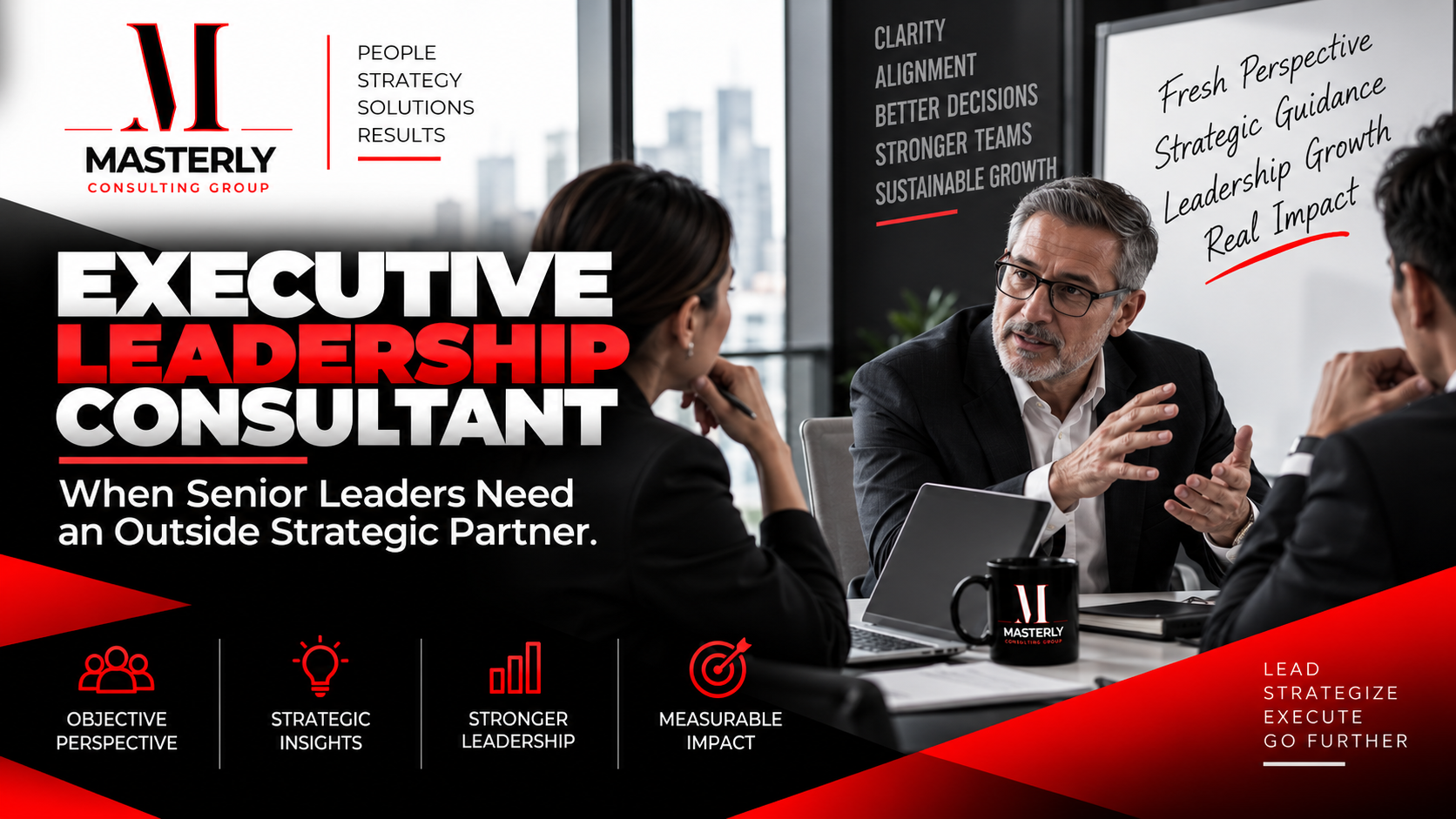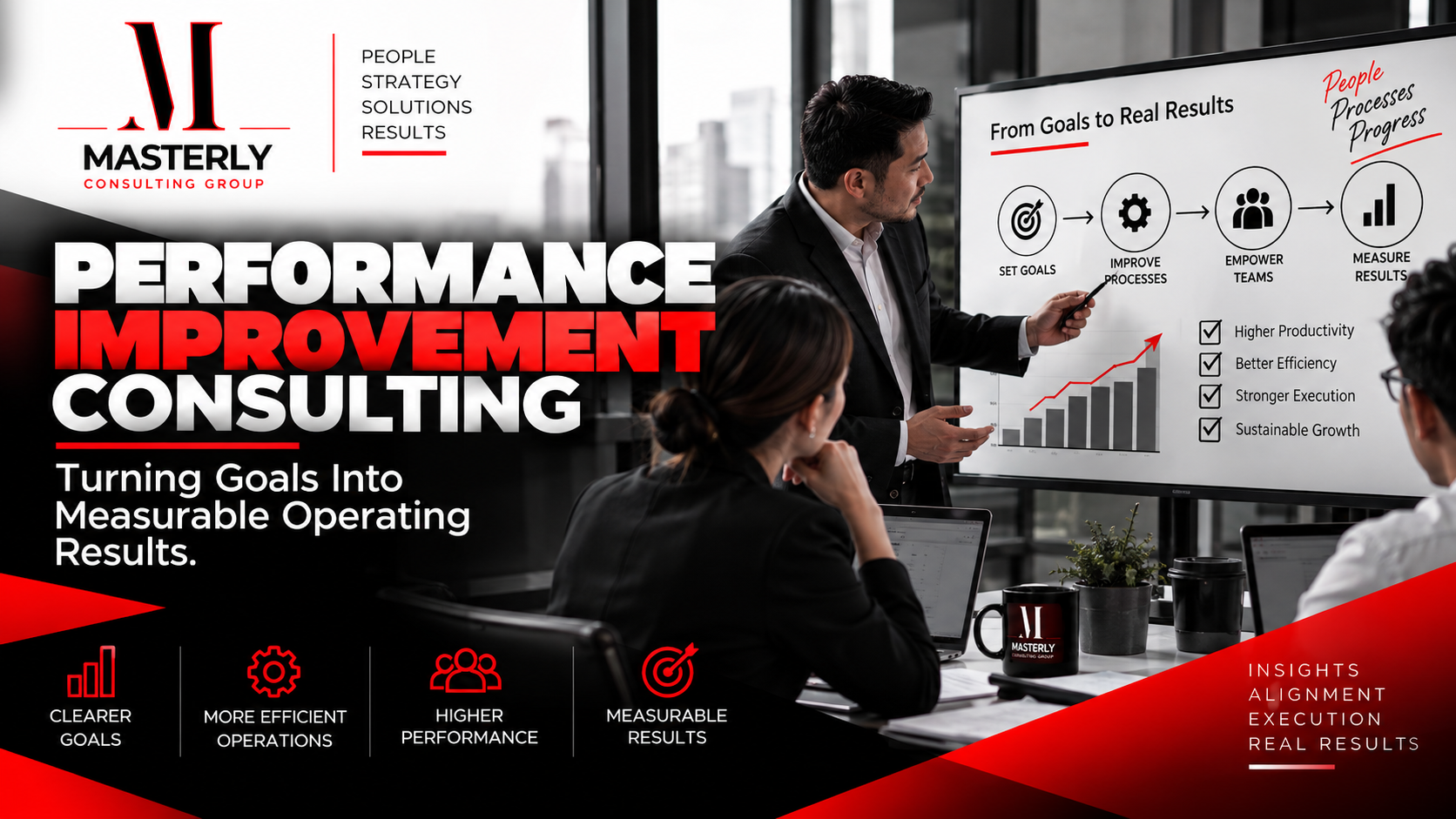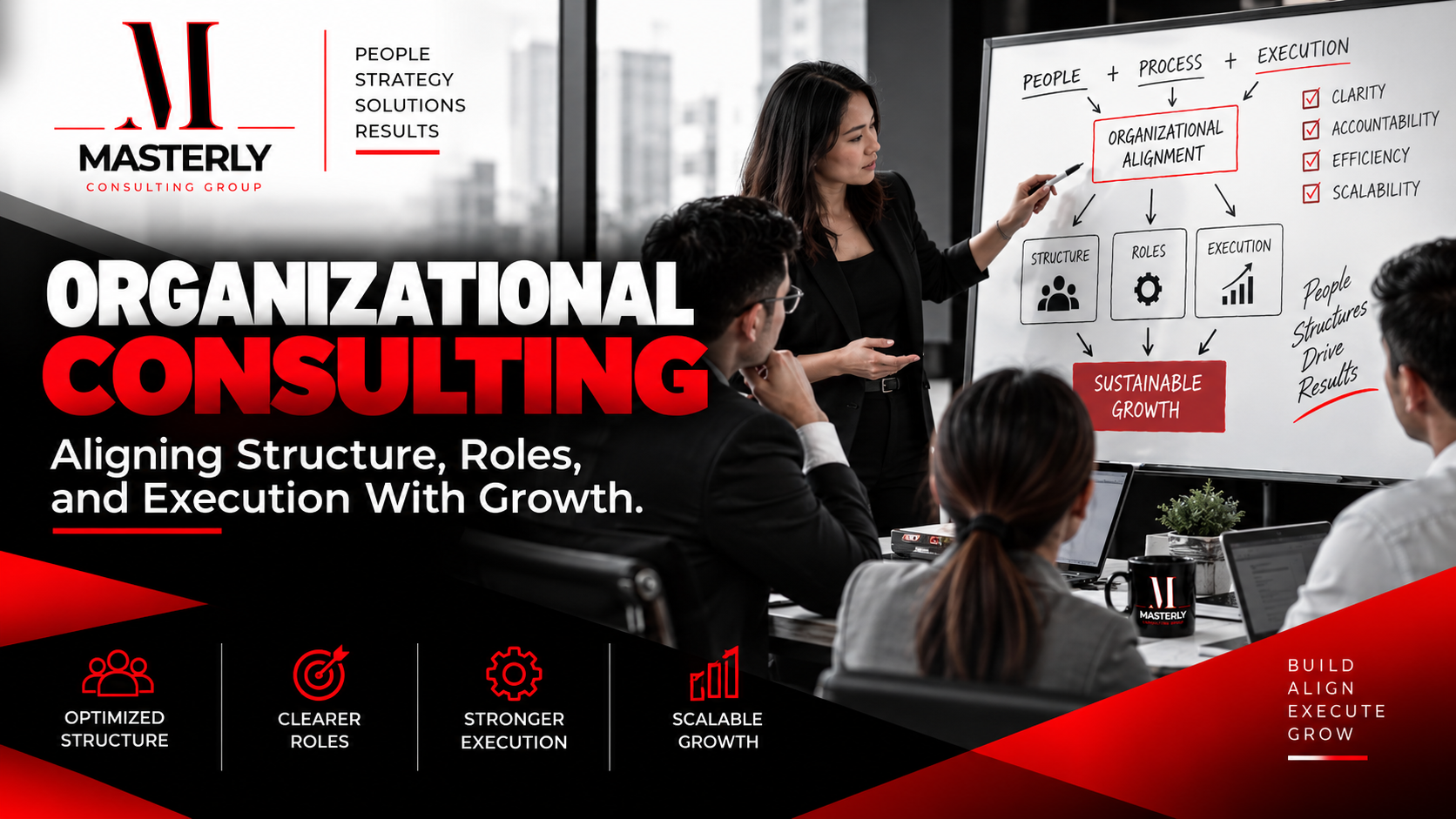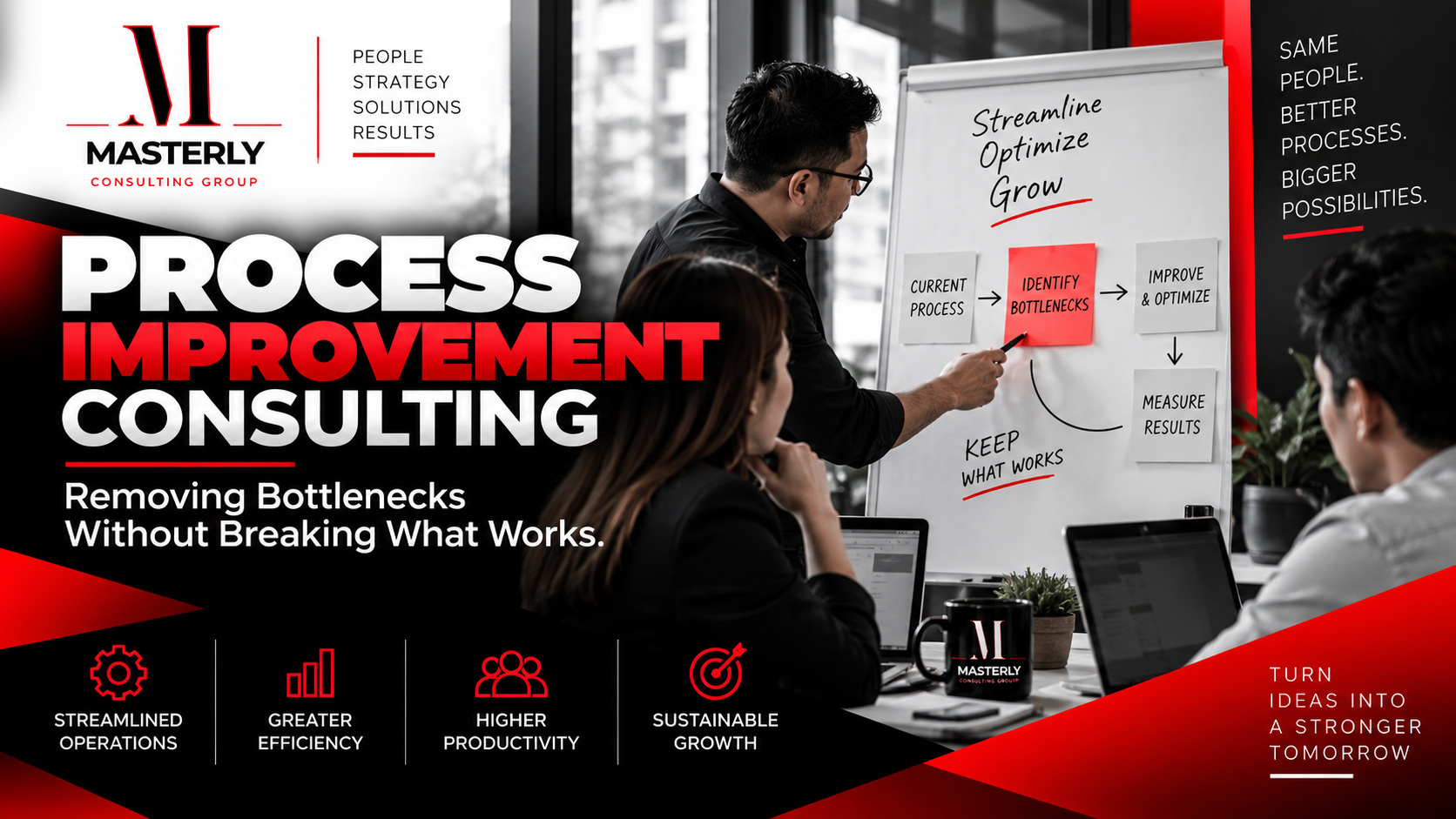
Organizational Development Consulting Aligning Structure, Leadership, and Capability Before Growth Stalls
A college or university can have talented people and strong leadership while still struggling with unclear roles, disconnected departments, inconsistent communication, and competing priorities.
These problems become more serious when an institution is growing, reorganizing, responding to new responsibilities, or preparing employees for complex campus roles. Campus security authorities, administrators, responsible employees, supervisors, and other institutional leaders may all need to understand how their responsibilities connect.
When the structure around good people is unclear, even experienced teams can struggle.
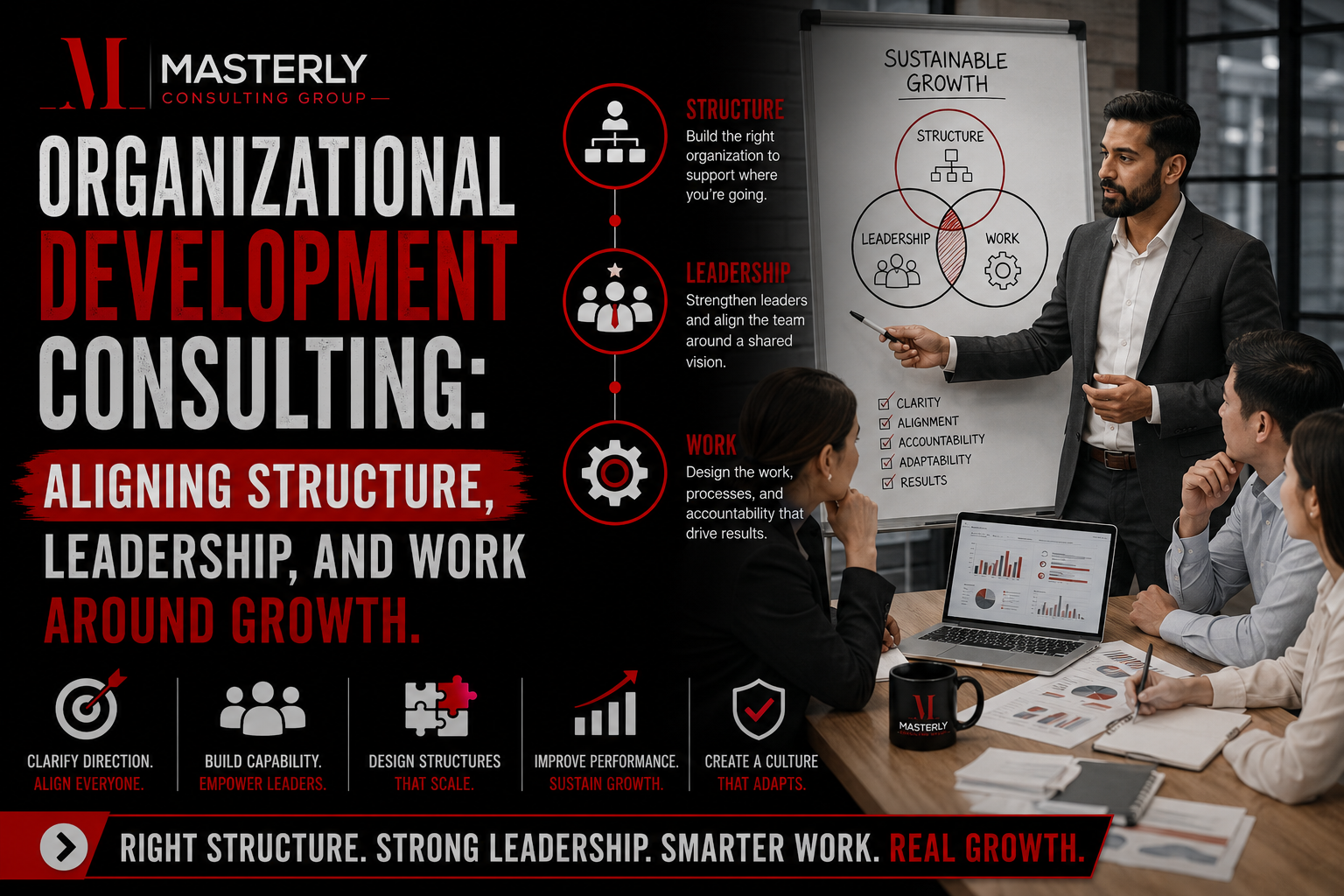
Organizational development consulting helps institutions examine the relationship between structure, leadership, capability, communication, and organizational priorities. Instead of treating every challenge as an isolated training or staffing issue, the institution can address the broader organizational conditions affecting how people work together.
For colleges and universities, that can mean creating greater clarity before organizational friction begins to slow progress.
Growth Can Expose Problems That Were Already There
Organizational problems do not always begin with a major failure.
They often appear gradually.
A department expands, but responsibilities remain based on the old structure. New leaders arrive with different expectations. Employees receive additional duties, but communication between offices does not change. Training occurs within individual departments while the larger institution continues to operate in separate silos.
At first, employees may compensate through personal effort.
Over time, that becomes harder.
Questions begin to emerge about who owns a responsibility, who communicates with whom, and how decision making moves through the institution. Leaders may find themselves resolving problems that should have been addressed by a clearer structure.
For colleges and universities with complex administrative and campus responsibilities, these gaps can affect organizational effectiveness and internal processes across multiple departments.
Organizational Development Consulting Connects People, Structure, and Purpose
Professional organizational development consulting looks beyond individual employees to examine how the organization itself supports their work.
That distinction matters.
An institution may have skilled employees who are operating inside a structure that no longer matches current needs, objectives, or business needs. Another may have well-designed policies but inconsistent leadership communication. A third may be undergoing significant change without enough alignment between the people responsible for carrying it forward.
The purpose of organizational development is not simply to reorganize an institution.
It is to help leadership identify where structure, responsibilities, communication, and organizational capability may need greater alignment so friction does not prevent the institution from achieving desired outcomes.
An Organizational Development Consultant Brings an Outside Perspective
Internal leaders know their institution well. That knowledge is valuable, but it can also make longstanding organizational patterns difficult to see from a different perspective.
An organizational development consultant can provide an external view of how teams, leadership, roles, and organizational priorities fit together in ways that support institutional strategy and the broader business context.
The consulting engagement should be based on the institution's actual needs rather than a generic organizational model. In practice, that diagnosis can include surveys and interviews to assess company culture and leadership gaps.
For a college or university, that may involve conversations about administrative responsibilities, leadership coordination, employee capability, departmental relationships, training needs, or institutional change.
The goal is to understand where organizational friction exists and what it is preventing the institution from accomplishing. Organizational development consulting draws on behavioral science and systems theory to help institutions adapt more effectively.
Organization Design Should Make Responsibilities Clearer
As institutions evolve, organizational structures can become complicated.
New responsibilities may be assigned without reconsidering older ones. Similar functions can develop in separate departments. Reporting relationships may make sense on an organizational chart but create confusion in day-to-day work.
Thoughtful organizational design considers whether roles and relationships support the institution’s strategic plan and what it needs to accomplish. Those choices are shaped by five key factors: strategy, environment, technology, size, and culture.
This does not mean changing reporting structures simply for the sake of change. In fact, over 70% of companies have used their current structure for more than five years, which is why periodic review matters.
It means examining whether the current structure provides enough clarity for people to understand their responsibilities, coordinate with others, and make appropriate decisions. And because only 11% of organizations have high maturity in organizational design, a deliberate review can be especially valuable.
Structure Matters When Responsibilities Cross Departments
Colleges and universities often depend on coordination among academic, administrative, student-facing, security, human resources, and leadership functions.
Some responsibilities naturally cross those boundaries.
Training for campus security authorities, administrators, responsible employees, and other campus personnel is one example of an area where clarity can matter. Different employees may have different responsibilities, yet their actions can exist within a larger institutional process.
Training alone cannot correct every organizational issue.
Employees also need to understand how their responsibilities connect to the institution around them in day to day execution, especially when work moves across more than one business unit. Leadership, communication, structure, and organizational expectations should support strategic priorities and reinforce the purpose of training rather than work against it.
Leadership Alignment Becomes More Important During Change
An organization can have strong individual leaders who are not fully aligned with one another.
One department may interpret a priority differently from another. Senior leaders may agree on the broad goal while managers receive different messages about implementation. Employees may hear one expectation during training and experience another through daily management.
These gaps create uncertainty.
Leadership alignment helps create greater consistency around priorities, responsibilities, direction, clear communication, and commitment.
For colleges and universities, alignment can be particularly important when initiatives require cooperation across departments or levels of leadership, helping leaders lead change more consistently across the institution.
Employees Notice When Leadership Messages Conflict
Employees take cues from what leaders communicate and what the organization actually reinforces.
If those messages conflict, uncertainty can grow.
A training program may explain an employee's responsibilities clearly, but the value of that training can weaken if supervisors or departments communicate different expectations afterward.
Organizational development considers the environment surrounding employee capability.
The goal is to help leaders, managers, and employees operate with a clearer understanding of how their work contributes to institutional priorities and organizational success.
Leaders strengthen that connection through coaching and mentorship that build employee skills and ability.
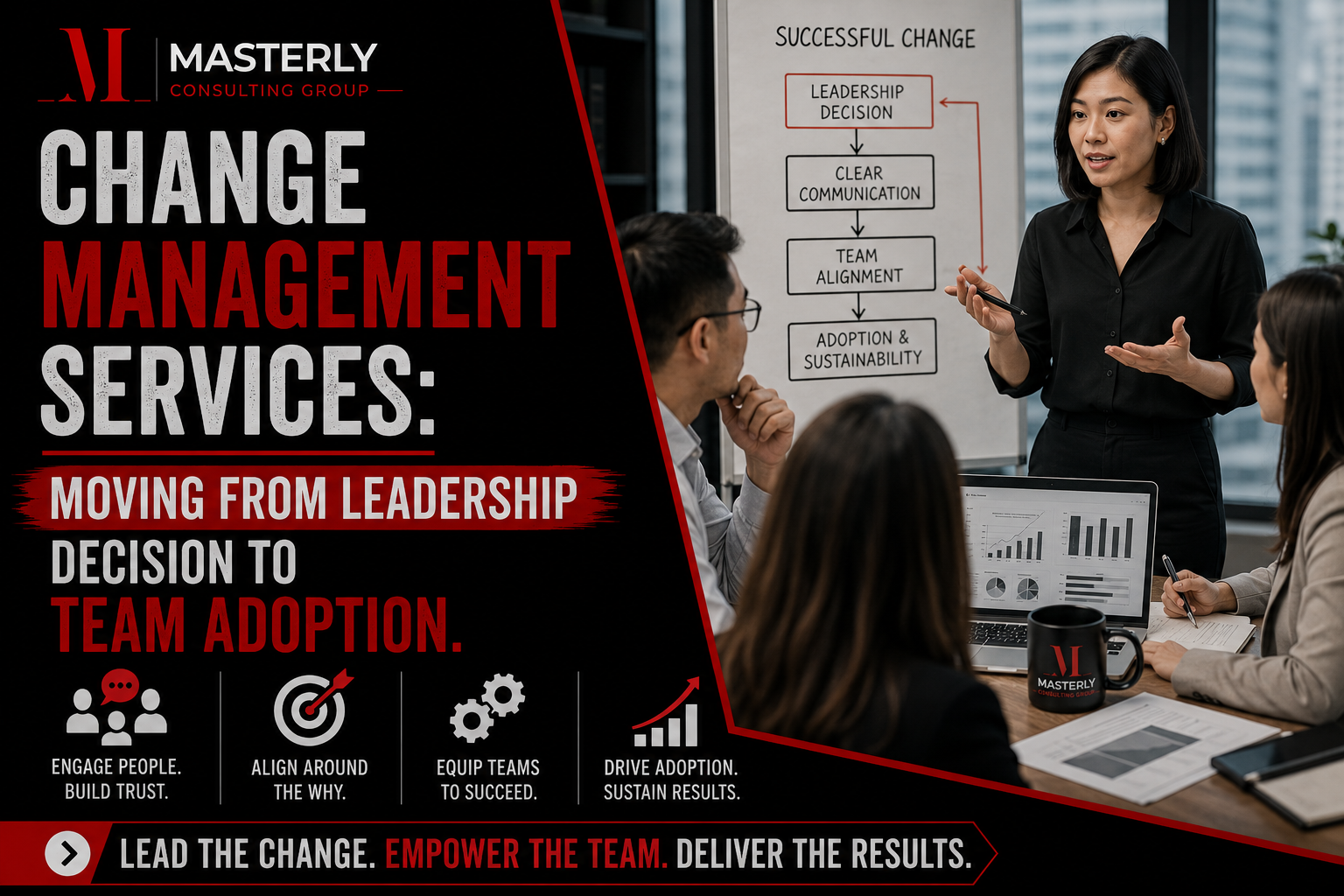
Change Management Is About More Than Announcing Change
Institutions change for many reasons.
Leadership changes. Departments grow. Responsibilities shift. Technology changes. New institutional priorities emerge. Processes that once worked well may no longer fit the current organization.
The difficult part is often not deciding that change is needed. Over the past 25 years, change management has evolved into a more structured discipline for guiding organizational transitions.
It is helping the organization move through that change with clarity.
Professional change management considers how changes affect the people responsible for helping implement change and sustain it over time, because that is often what determines success.
Employees need to understand what is changing, why it matters to their work, and what is expected of them. Leaders need enough alignment to communicate consistently. Training and organizational support should reflect the new expectations.
Without those connections, an institution can announce change without fully creating it. Structured change approaches significantly improve project outcomes and are associated with a much higher likelihood of success, with organizations using them reported to be 7x more likely to succeed.
Organizational Effectiveness Depends on More Than Individual Performance
When an organization underperforms, the easiest explanation is sometimes to focus on individuals.
But employees work within systems.
A highly capable employee can struggle with unclear authority. A strong manager can be limited by conflicting priorities. A department can perform well internally while still having difficulty coordinating with another part of the institution.
Organizational effectiveness looks at the larger picture.
It considers whether people, structures, leadership, and capabilities support the institution's goals and business outcomes.
This perspective can help colleges and universities distinguish between an individual performance problem and a broader organizational issue.
Effective organizations adapt quickly to external changes and disruptions while continuing to serve employees and customers well.
That distinction matters because the solutions are different.
Training Works Better When the Organization Supports It
Professional training can give employees knowledge and greater clarity about their responsibilities, while also supporting employee engagement by helping people connect their roles to meaningful work.
But training exists within an organizational environment.
Organizations with engaged employees are typically more productive and see lower absenteeism, while disengagement can contribute to turnover or burnout.
If responsibilities are unclear after the training ends, employees may still struggle to apply what they learned. If managers communicate conflicting expectations, knowledge alone may not solve the problem. If departments do not understand how their responsibilities intersect, gaps can remain.
This is why organizational development consulting and professional training can be closely connected.
For colleges and universities seeking training for campus security authorities, administrators, responsible employees, or other institutional personnel, the broader question is not simply whether employees attended training.
The institution should also consider whether its organizational environment supports the responsibilities those employees are expected to carry, creates growth opportunities, and positions the institution for long term success.
When Should a College or University Consider Organizational Development Consulting?
Institutions do not need to wait until growth has completely stalled.
Consulting may be appropriate when leadership recognizes that organizational friction is becoming more difficult to manage.
Examples can include unclear responsibilities, duplicated efforts, communication gaps between departments, inconsistent leadership direction, difficulty implementing organizational change, or training needs that reflect evolving needs and broader questions about roles, structure, and adapting to new technology.
Growth itself can also create the need for a review.
Consulting can help institutions respond to market shifts and new technology while strengthening a positive organizational culture that supports clarity, accountability, innovation, and the ability to attract and retain top talent.
Structures that worked for a smaller department or institution may become less effective as responsibilities expand.
An outside perspective can help leadership examine those conditions and make informed decisions before they become accepted as permanent features of the organization.
Masterly Consulting Group Provides a Done-for-You Consulting Approach
College and university leaders already manage complex institutions.
They should not have to diagnose every organizational issue internally before asking for professional support.
Masterly Consulting Group can begin with the institution's concerns, business needs, and the problems leadership is trying to solve.
An organizational development consultant can help examine the relationships among organizational structure, leadership, employee capability, communication, organizational design, and institutional priorities, using appropriate tools to strengthen alignment. The appropriate scope should depend on the institution and its needs rather than assumptions made before the engagement begins.
This is particularly important when professional training and broader organizational questions overlap.
The objective is not to provide another generic management program. It is to help the institution achieve clearer alignment and deliver results.
Strong Institutions Need Structure That Supports Their People
Talented employees are essential, but talent cannot compensate forever for organizational confusion.
People need to understand their roles within a high performing institution. Departments need appropriate ways to coordinate. Leaders need enough alignment to communicate priorities consistently. Training needs to connect with the environment employees return to after the program ends.
When those pieces drift apart, growth can become harder than it needs to be.
A positive organizational culture helps attract and retain top talent, which also supports meaningful change.
Professional organizational development consulting gives colleges and universities an opportunity to examine those relationships before organizational friction becomes a larger barrier.
The purpose is not change for its own sake.
It is an institution in which structure, leadership, and capability better support the work people are expected to perform.
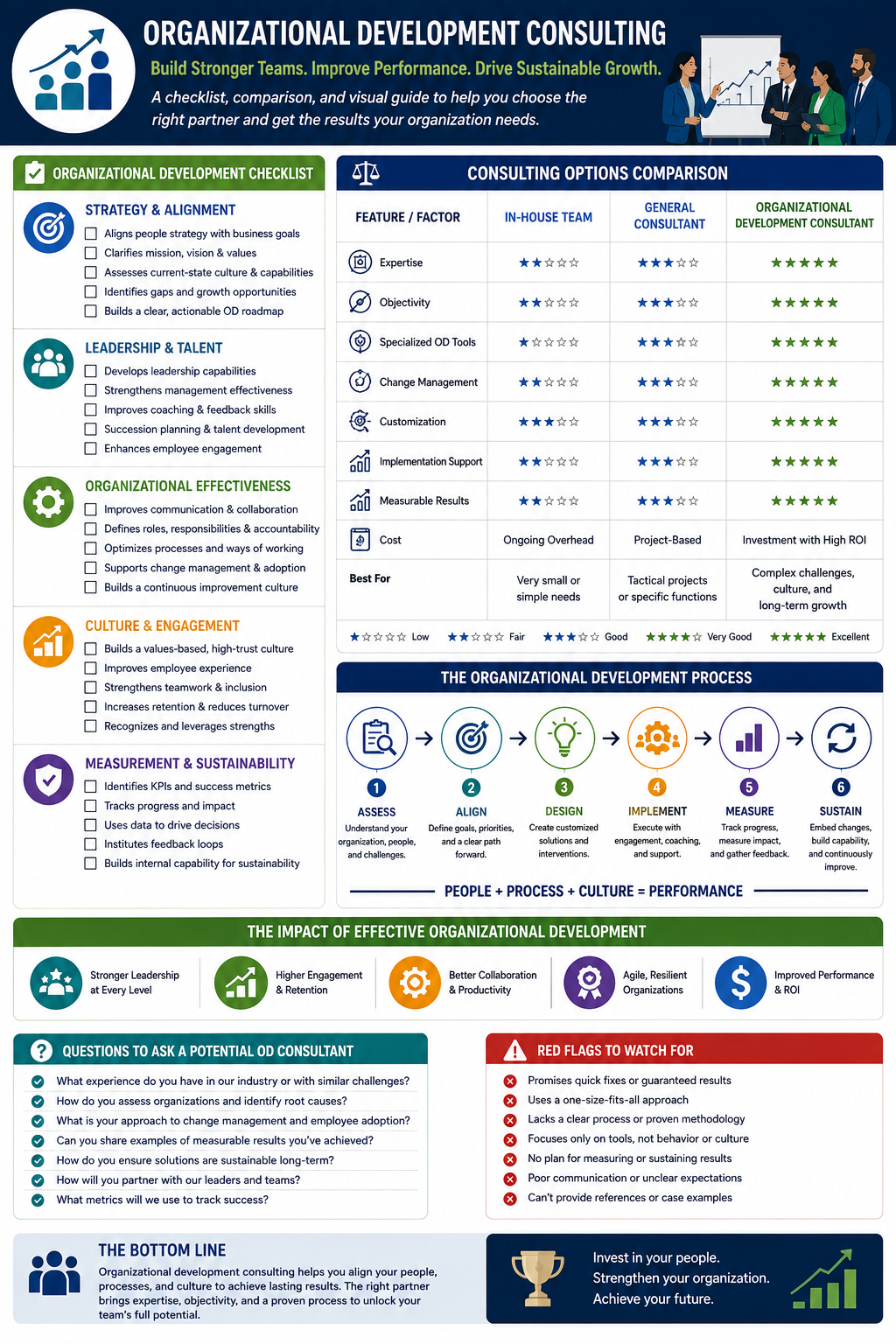
Frequently Asked Questions About Organizational Development Consulting
What is organizational development consulting?
Organizational development consulting helps organizations examine how leadership, structure, people, communication, and organizational capability work together. The scope depends on the institution's needs, the problems it is trying to address, and the desired outcomes it wants the work to achieve.
What does an organizational development consultant do?
An organizational development consultant provides an outside perspective on organizational challenges and can help leadership assess structure, roles, communication, and decision making, while also supporting leaders in making informed decisions about alignment, change, and employee capability.
Can organizational development consulting help colleges and universities?
Yes. Colleges and universities are complex organizations with responsibilities that often cross departments. Organizational development consulting can help institutions examine whether their structure and leadership support those responsibilities effectively, adapt to external changes, strengthen employee engagement, and maintain their position as those responsibilities evolve.
What is organizational assessment and organization design?
Organization design considers how roles, responsibilities, reporting relationships, and functions are structured to support the organization's work. It should reflect the institution's strategic plan and business needs.
What is leadership alignment?
Leadership alignment means creating greater consistency among leaders around organizational priorities, responsibilities, direction, and communication, so leaders can support clear communication and commitment across the leadership team.
How does change management relate to organizational development?
Change management addresses how an organization and its people move through change. Organizational development can examine the broader leadership, structural, communication, and capability issues that influence whether change can be carried forward effectively and whether organizations can implement it for long-term success.
How does organizational development support employee training?
Training provides knowledge and develops capability, while organizational development considers the environment in which employees apply what they learn. When institutions have strong employee engagement, they often see higher productivity and lower absenteeism. Clear roles, leadership communication, and organizational support can help connect training with employees' responsibilities while reinforcing growth opportunities around development.
Can Masterly Consulting Group provide training for colleges and universities?
Masterly Consulting Group works with organizations on consulting and professional development needs. Colleges and universities seeking training for campus security authorities, administrators, responsible employees, or other personnel should contact the firm to discuss the specific training requested and confirm that training and consulting services match the institution's needs and desired outcomes.
When should we hire an organizational development consultant?
Consider consulting when unclear responsibilities, leadership misalignment, communication gaps, organizational change, growth, or cross-department challenges are making it harder to execute priorities, adapt to evolving needs, or deliver results.
Is organizational development consulting only for institutions undergoing a reorganization?
No. Organizational development consulting can be useful when an institution wants to address organizational effectiveness, leadership alignment, employee capability, communication, or growth challenges without necessarily pursuing a formal reorganization. It can also help strengthen internal processes and adapt before growth stalls or strategic priorities are affected.
Request an Organizational Development Consultation With Masterly Consulting Group
If your college or university is dealing with unclear responsibilities, leadership alignment challenges, organizational change, cross-department communication issues, or training needs connected to broader institutional concerns, those problems deserve a coordinated response.
Masterly Consulting Group provides organizational development consulting for organizations seeking professional support around structure, leadership, capability, organizational design, and business outcomes.
Request an organizational development consultation with Masterly Consulting Group to help leaders make informed decisions and move toward the outcomes they want to achieve.
Call: (972) 236-5051
Website: https://www.masterlygroup.com/