The Expanding Role of Universities in Supporting the Highest NIL College Athletes
A New Era for Student Athletes and Universities
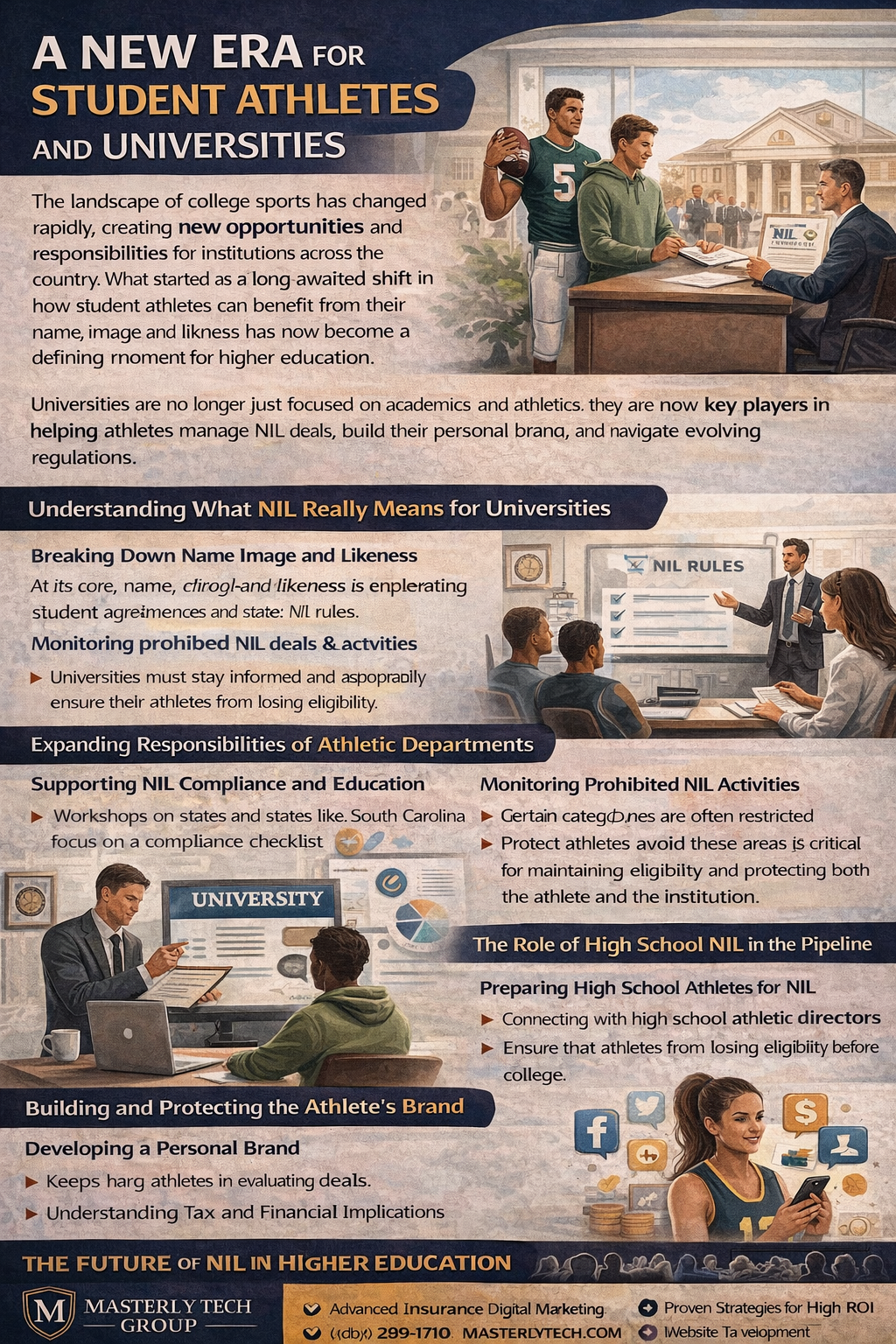
The landscape of college sports has changed rapidly, creating new opportunities and responsibilities for institutions across the country. What started as a long-awaited shift in how student athletes can benefit from their name image and likeness has now become a defining moment for higher education. Universities are no longer just focused on academics and athletics; they are now key players in helping athletes manage nil deals, build their personal brand, and navigate evolving regulations.
This transformation represents a major shift in how schools support both college athletes and high school athletes preparing for the next level. With nil activities expanding quickly, institutions must ensure their programs are structured, compliant, and aligned with both state laws and nil rules that continue to evolve.
Understanding What NIL Really Means for Universities
Breaking Down Name Image and Likeness
At its core, name image and likeness allows student athletes to earn money from their identity, reputation, and visibility. This includes commercial endorsements, sponsorships, and other nil opportunities that were previously restricted under traditional amateurism rules.
For universities, this means guiding athletes through nil agreements, helping them understand nil contracts, and ensuring their actions align with ncaa rules and applicable state nil rules. Institutions must now educate athletes on how to safely and effectively participate in nil activities without jeopardizing their amateur status.
How NIL Changed the Recruiting Process
The introduction of nil deals has significantly impacted the recruiting process. Today, both prospective student athletes and high school athletes consider NIL potential when selecting a specific school. This adds pressure on universities to provide structured support systems that help athletes maximize opportunities while staying compliant.
Schools that fail to adapt risk falling behind, especially as top-tier talent increasingly evaluates NIL support alongside athletic programs.
Expanding Responsibilities of Athletic Departments
Supporting NIL Compliance and Education
Modern athletic departments must now go beyond training and competition. They are responsible for ensuring athletes understand nil laws, state laws, and conference rules that govern their activities. Because rules vary across states like South Carolina, Rhode Island, North Dakota, South Dakota, and West Virginia, universities must stay informed and adaptable.
To manage this complexity, many schools are developing a nil compliance checklist and working closely with a dedicated compliance office. These systems help monitor nil activities, prevent violations, and protect athletes from losing eligibility.
Monitoring Prohibited NIL Activities
Not all opportunities are allowed. Universities must educate student athletes about prohibited nil activities, including involvement in adult entertainment, sports betting, or endorsements tied to prescription drugs. These certain categories are often restricted under both ncaa rules and state nil rules.
Ensuring athletes avoid these areas is critical for maintaining eligibility and protecting both the athlete and the institution.
The Role of High School NIL in the Pipeline
Preparing High School Athletes for NIL
The rise of high school nil has introduced new challenges for high school athletes and high school student athletes. Many states now allow younger athletes to engage in nil activities, but high school nil rules differ widely depending on the high school association and location.
This creates a need for early education. Universities are increasingly connecting with high school athletic directors and member schools to help ensure that incoming athletes understand how to comply with nil rules before entering college.
Balancing Opportunities and Eligibility
For high school athletes, the ability to earn money through nil deals must be carefully managed. Engaging in the wrong type of deal or failing to follow high school nil rules can lead to losing eligibility before even stepping onto a college campus.
Universities that provide guidance early in the pipeline can build stronger relationships with recruits while protecting their long-term success.
NIL Collectives and Revenue Sharing Models
Understanding NIL Collectives
One of the most significant developments in recent years is the rise of nil collectives. These organizations help facilitate nil deals and create opportunities for student athletes to earn nil money through structured partnerships.
Universities must carefully navigate their involvement, ensuring that any interaction aligns with nil policy and does not violate pay for play restrictions. Maintaining a clear separation between institutional support and external entities is essential.
The Growth of Revenue Sharing Concepts
The discussion around revenue sharing continues to evolve, especially following the impact of the ncaa settlement. While traditional NIL focuses on external opportunities, future models may include structured revenue participation tied to athletic programs.
This adds another layer of complexity, requiring universities to prepare for potential changes in how athletes are compensated.
Building and Protecting the Athlete’s Brand
Developing a Personal Brand
One of the most valuable aspects of name image and likeness is the ability for student athletes to build a personal brand. Universities play a critical role in teaching athletes how to present themselves professionally across platforms, including through social media posts.
Strong branding helps athletes secure better commercial endorsements and increases their long-term earning potential.
Ensuring a Valid Business Purpose
Each NIL opportunity must have a valid business purpose. Universities must guide athletes in evaluating deals to ensure that compensation is not simply payment tied to performance, which could violate amateurism rules.
Maintaining this distinction is essential for compliance and long-term sustainability.
Legal Oversight and Risk Management
The Importance of Legal Guidance
With the complexity of nil laws, many universities encourage athletes to work with a name image and likeness lawyer. Legal professionals help review nil agreements, ensure compliance, and protect athletes from unfavorable terms.
In some cases, schools may also implement a third party review process to evaluate deals before they are finalized.
Understanding Tax and Financial Implications
Many athletes do not realize that nil income is generally taxable. Universities are increasingly offering financial education to help athletes manage earnings, plan for taxes, and make informed decisions about their finances.
This support is critical, especially as some athletes begin to earn significant nil money within a reasonable range or beyond.
The Role of School Resources and Branding
Use of School Logos and Facilities
One of the most sensitive areas in NIL is the use of school logos and school facilities. Many institutions have strict guidelines regarding how athletes can incorporate these elements into their deals.
Universities must clearly define when and how allowed student athletes can use these assets, ensuring compliance with institutional policies.
Protecting Institutional Integrity
Maintaining control over branding ensures that the university’s reputation is not compromised. This includes setting boundaries around how image and likeness rights are used in public-facing campaigns.
Navigating Amateur Status and Eligibility
Maintaining Amateur Status
Even with expanded opportunities, student athletes must still maintain their amateur status. Violations of nil rules or engagement in prohibited nil activities can lead to penalties or losing eligibility.
Universities must actively educate athletes on how to remain eligible while pursuing NIL opportunities.
Understanding NCAA and Conference Rules
Compliance with ncaa rules and conference rules remains essential. While NIL has changed many aspects of college athletics, these governing bodies still play a significant role in regulating behavior and maintaining fairness.
How Universities Are Adapting Their Strategies
Creating Structured NIL Programs
Leading institutions are developing comprehensive programs that support athlete marketing, education, and compliance. These programs often include:
- Workshops on nil activities and branding
- Access to legal and financial experts
- Guidance on nil contracts and agreements
These initiatives help student athletes make informed decisions and maximize opportunities.
Enhancing Collaboration Across Departments
Universities are also improving collaboration between athletic departments, compliance teams, and external partners. This ensures a unified approach to managing NIL and supporting athletes effectively.
The Future of NIL in Higher Education
Continued Growth and Evolution
The NIL landscape will continue to evolve as state laws, nil laws, and institutional policies adapt. Universities must remain flexible and proactive in responding to these changes.
As more insurance companies and other brands enter the space, competition for athlete partnerships will increase, creating even more opportunities for student athletes.
Preparing for Long-Term Impact
The long-term impact of NIL extends beyond athletics. It is reshaping how universities approach recruitment, branding, and athlete development. Institutions that invest in strong NIL programs will be better positioned for future success.
Why Universities Need Strategic Guidance
Managing Complexity and Risk
The growing complexity of NIL requires expertise. Universities must balance compliance, opportunity, and risk while supporting their athletes effectively.
Without proper guidance, institutions risk compliance issues, reputational damage, and missed opportunities.
Creating Competitive Advantage
Schools that provide structured NIL support gain a competitive edge in recruiting and retention. By helping athletes succeed both on and off the field, universities strengthen their overall programs.
Partner With Masterly Consulting Group for NIL Strategy
The expanding role of universities in NIL is not slowing down. Institutions that take a proactive approach will not only protect their athletes but also position themselves as leaders in this evolving space.
At Masterly Consulting Group, we work with universities, college coaches, and athletic programs to develop tailored NIL strategies that align with current regulations and future trends. Our team understands the complexities of name image and likeness nil, compliance, and athlete representation, ensuring your program remains competitive and protected.
Speak With Our Team About NIL Representation
If your university is navigating the challenges of NIL or looking to strengthen your support for student athletes, we are here to help. Our team provides guidance on compliance, strategy, and athlete representation to ensure your program is positioned for long-term success.
Reach out today to schedule a free consultation and learn how we can support your NIL initiatives. Contact us at (888) 209-4055 to get answers to your questions and take the next step in building a strong, compliant NIL program.