Reclaim Your Career Direction Before Burnout Takes Over
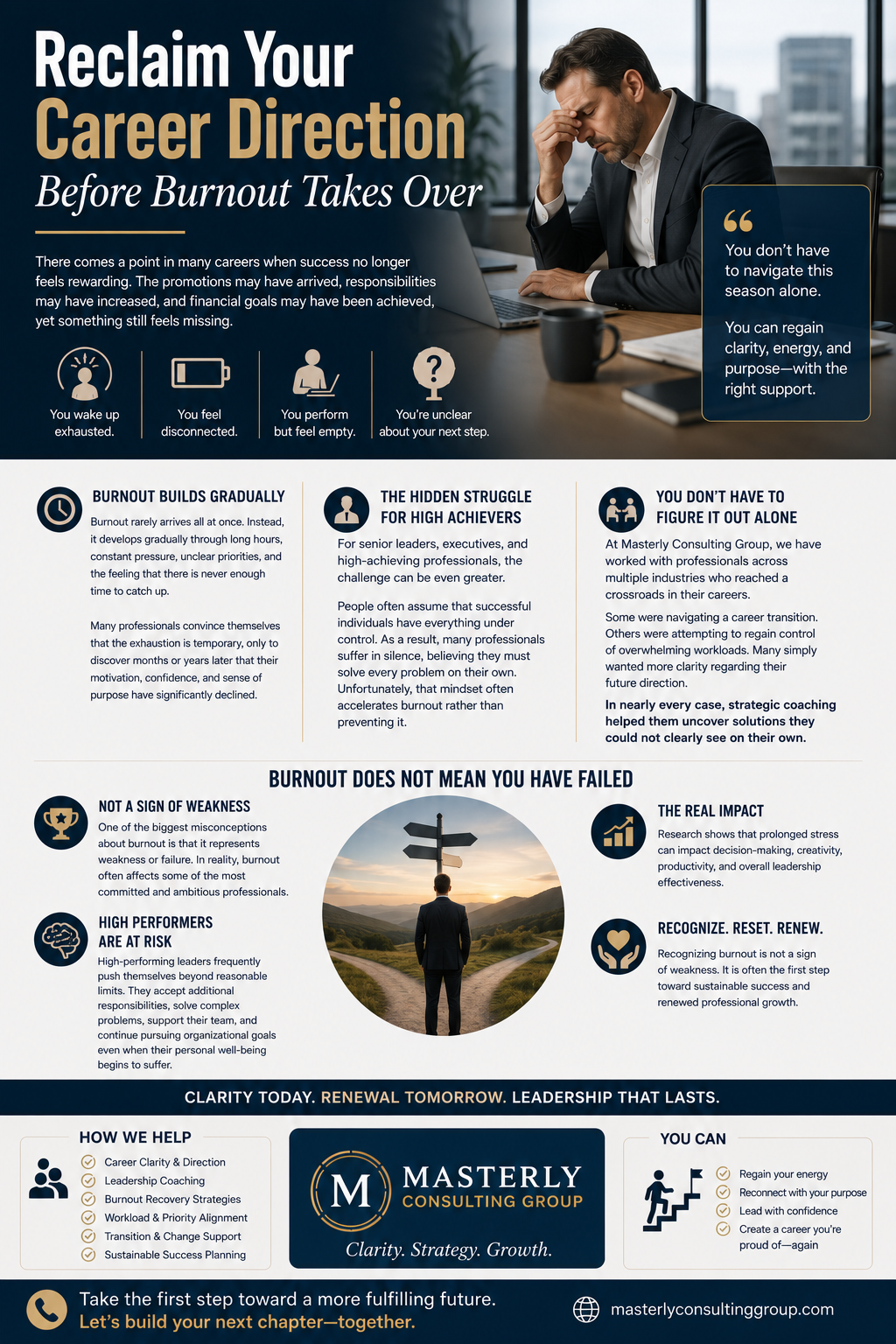
There comes a point in many careers when success no longer feels rewarding. The promotions may have arrived, responsibilities may have increased, and financial goals may have been achieved, yet something still feels missing. Many professionals wake up each morning feeling exhausted before the day even begins. They continue performing at a high level, but internally they feel disconnected from the work that once energized them.
Burnout rarely arrives all at once. Instead, it develops gradually through long hours, constant pressure, unclear priorities, and the feeling that there is never enough time to catch up. Many professionals convince themselves that the exhaustion is temporary, only to discover months or years later that their motivation, confidence, and sense of purpose have significantly declined.
For senior leaders, executives, and high-achieving professionals, the challenge can be even greater. People often assume that successful individuals have everything under control. As a result, many professionals suffer in silence, believing they must solve every problem on their own. Unfortunately, that mindset often accelerates burnout rather than preventing it.
At Masterly Consulting Group, we have worked with professionals across multiple industries who reached a crossroads in their careers. Some were navigating a career transition. Others were attempting to regain control of overwhelming workloads. Many simply wanted more clarity regarding their future direction. In nearly every case, strategic coaching helped them uncover solutions they could not clearly see on their own.
Burnout Does Not Mean You Have Failed
One of the biggest misconceptions about burnout is that it represents weakness or failure. In reality, burnout often affects some of the most committed and ambitious professionals.
High-performing leaders frequently push themselves beyond reasonable limits. They accept additional responsibilities, solve complex problems, support their team, and continue pursuing organizational goals even when their personal well-being begins to suffer.
Research shows that prolonged stress can impact decision-making, creativity, productivity, and overall leadership effectiveness. The very qualities that helped someone become successful can eventually contribute to burnout if not managed properly.
Recognizing burnout is not a sign of weakness. It is often the first step toward sustainable success and renewed professional growth.
The Hidden Cost of Career Disengagement
Many professionals assume burnout only affects personal happiness. However, the consequences often extend far beyond individual well-being.
When professionals become disengaged, organizations frequently experience reduced productivity, lower morale, increased turnover, and weaker collaboration. Leadership challenges often emerge because exhausted individuals struggle to maintain the energy necessary to inspire and guide others effectively.
For executives and managers, disengagement can influence entire departments. Employees often mirror the attitudes and behaviors demonstrated by their leaders. When leaders lose focus or enthusiasm, teams frequently feel the effects.
Addressing burnout early protects both personal performance and the organization's success.
Why High Achievers Are Especially Vulnerable
Many successful professionals possess characteristics that increase burnout risk.
These qualities often include:
- Strong work ethic
- High personal expectations
- Desire for excellence
- Commitment to results
- Sense of responsibility toward others
While these traits contribute to professional success, they can also make it difficult for individuals to establish healthy boundaries.
Over time, constant pressure without adequate recovery can lead to emotional exhaustion and reduced performance.
The Warning Signs Many Professionals Ignore
Burnout often develops gradually, making it difficult to recognize in its early stages.
Many professionals continue functioning effectively even while experiencing significant stress. Because they remain productive, they assume everything is fine.
Unfortunately, the warning signs often become more serious when left unaddressed.
Constant Fatigue
One of the most common indicators is persistent exhaustion.
This type of fatigue differs from ordinary tiredness. It often remains even after weekends, vacations, or periods of rest.
Professionals may feel physically present but mentally drained throughout the workday.
Reduced Motivation
Tasks that once felt exciting may begin to feel burdensome.
Professionals often notice declining enthusiasm for projects, meetings, and strategic initiatives. Work becomes something to endure rather than something that creates fulfillment.
Reduced motivation frequently signals a deeper need for reflection and change.
Difficulty Maintaining Focus
Stress affects cognitive performance.
Professionals experiencing burnout may struggle to concentrate, prioritize responsibilities, or make decisions efficiently. Small tasks begin requiring more time and effort than usual.
These challenges can create additional frustration and further contribute to exhaustion.
Why Career Direction Often Becomes Unclear
Burnout and lack of direction frequently occur together.
Many professionals spend years pursuing promotions, salary increases, and professional recognition. Once those milestones are achieved, they sometimes discover that external success does not automatically create fulfillment.
Questions begin to emerge:
- What do I truly want from my career?
- Is this role still aligned with my values?
- Am I growing professionally?
- What does success mean to me now?
These questions are not signs of dissatisfaction alone. They often indicate a desire for greater purpose and alignment.
Success Without Fulfillment Creates Frustration
Many executives achieve goals that once seemed impossible.
Yet after reaching those goals, they often feel surprisingly disconnected from their work. The excitement fades, and daily responsibilities become repetitive.
This disconnect can create emotional strain and uncertainty about future career decisions.
Without intentional reflection, professionals may continue following paths that no longer align with their aspirations.
The Value of Executive Coaching During Career Challenges
An executive coach provides more than advice.
Effective coaching creates a structured environment where professionals can evaluate challenges, clarify goals, and identify practical solutions. Rather than telling clients what decisions to make, coaches help individuals discover answers that align with their unique circumstances.
This process often leads to greater self awareness and stronger decision-making.
Professionals frequently gain insights that were difficult to recognize while operating under constant pressure.
How Executive Coaching Creates Breakthroughs
Many individuals attempt to solve career challenges independently.
While self-reflection is valuable, it can be difficult to identify blind spots without external support.
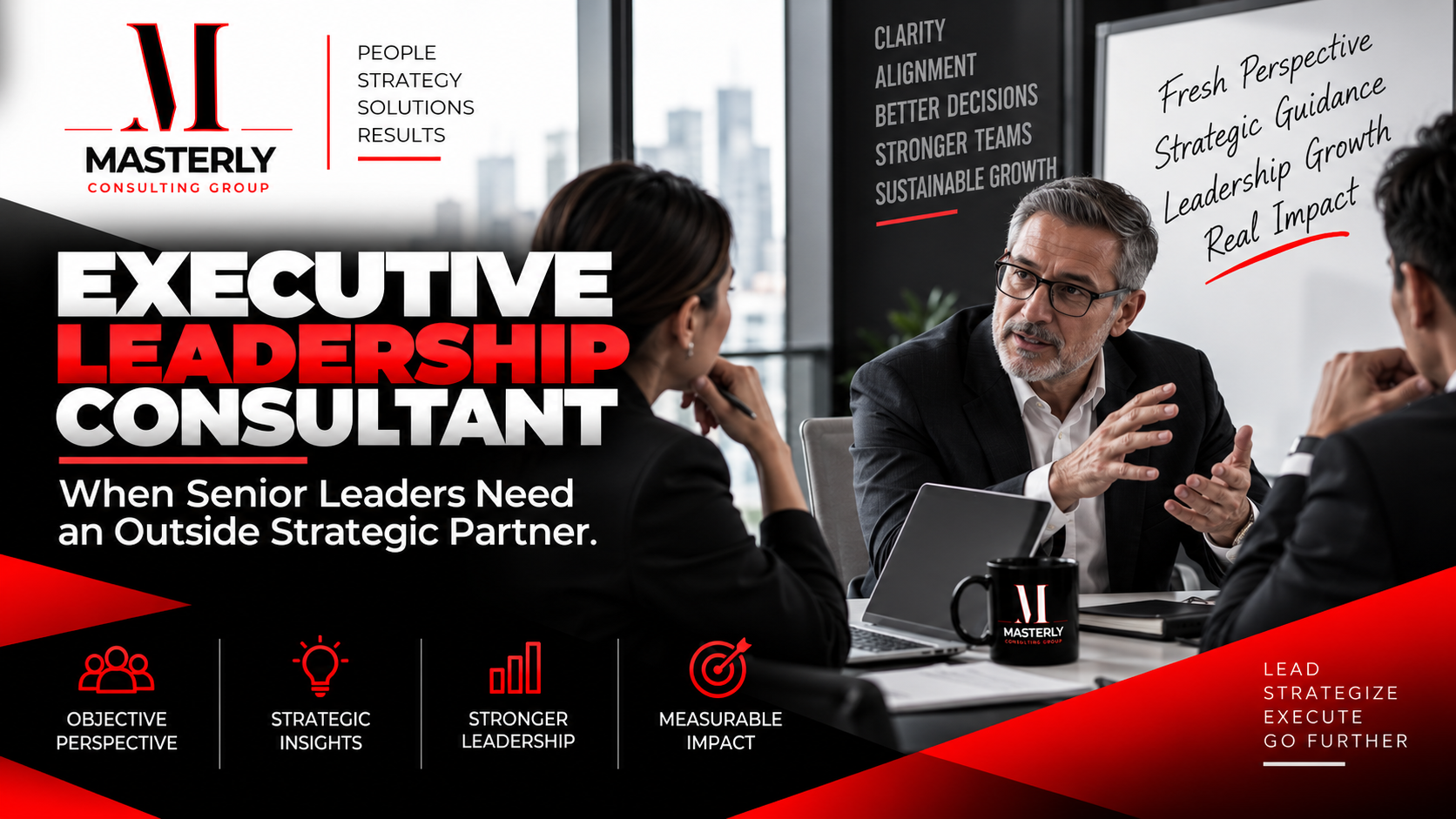
Executive coaching services provide an objective perspective that helps professionals examine situations more clearly. Through thoughtful dialogue and strategic questioning, coaching encourages new ways of thinking.
This external perspective often becomes the catalyst for meaningful change.
Building Confidence Through Clarity
Uncertainty frequently contributes to stress.
When professionals lack clarity regarding priorities, goals, or future direction, even simple decisions can become overwhelming.
Coaching helps individuals identify what truly matters and develop actionable plans. As clarity increases, confidence often follows.
Many clients report feeling more focused and energized after gaining a clearer understanding of their professional objectives.
Leadership Challenges Can Accelerate Burnout
Leadership roles bring unique pressures.
Senior leaders are often responsible for driving results, managing teams, navigating organizational change, and supporting key stakeholders. While these responsibilities create opportunities for impact, they can also create significant stress.
Many leaders place the needs of others ahead of their own well-being.
Over time, this pattern can contribute to exhaustion and reduced leadership effectiveness.
Executive Leadership Requires Energy
Strong leadership requires more than technical expertise.
It demands emotional intelligence, communication skills, strategic thinking, and the ability to inspire others. These responsibilities require significant mental and emotional energy.
When leaders become depleted, their ability to perform at a high level often suffers.
Protecting personal well-being is essential for maintaining strong leadership performance.
Emotional Intelligence as a Burnout Prevention Tool
One of the most valuable skills leaders can develop is emotional intelligence.
Emotional intelligence helps professionals understand their own emotions while recognizing how their behavior affects others. It strengthens communication, improves relationships, and supports better decision-making.
Leaders with high emotional intelligence often identify stress signals earlier and respond more effectively to challenges.
This awareness creates opportunities to address issues before burnout becomes overwhelming.
Developing Greater Self Awareness
Self awareness serves as the foundation for personal growth.
Professionals who understand their strengths, weaknesses, values, and behavioral patterns are often better equipped to navigate difficult situations.
Coaching conversations frequently help individuals develop deeper self awareness by encouraging reflection and honest evaluation.
This process often reveals opportunities for both personal and professional improvement.
Why Waiting Too Long Can Be Costly
Many professionals postpone addressing burnout because they believe conditions will eventually improve on their own.
Unfortunately, burnout rarely disappears without intentional action.
The longer exhaustion continues, the more difficult it can become to restore motivation, performance, and engagement.
Taking action early often produces better outcomes while preventing larger challenges from developing.
Recognizing the need for support is not an admission of failure. It is often one of the smartest decisions a professional can make.
Executive Leadership Coaching Helps Professionals Regain Control
When professionals begin feeling overwhelmed, they often focus on managing immediate problems rather than addressing underlying causes. While short-term solutions may provide temporary relief, they rarely create lasting change. Executive leadership coaching helps individuals step back, evaluate the bigger picture, and identify what is truly contributing to their frustration and exhaustion.
Many professionals discover that burnout is not simply a workload issue. It may stem from unclear priorities, ineffective delegation, lack of alignment with personal values, or ongoing organizational challenges. Executive leadership coaching provides a structured process for identifying these root causes and developing practical solutions.
Unlike generic career advice, coaching focuses on the specific circumstances facing each individual. The result is a more personalized approach that supports sustainable change rather than temporary fixes.
The Difference Between Working Hard and Working Effectively
Many professionals assume success requires working longer hours.
In reality, some of the most effective leaders focus on improving decision-making, communication, and strategic thinking rather than simply increasing effort. Leadership coaching helps professionals distinguish between productive work and unnecessary activity.
This shift often creates greater efficiency while reducing stress.
By focusing energy on high-impact priorities, professionals can improve both performance and well-being.
Leadership Development Is Not Just for New Managers
A common misconception is that leadership development only benefits emerging leaders or recently promoted managers.
In reality, experienced professionals often gain tremendous value from continued development. Leadership challenges evolve as careers progress, requiring new approaches and new skills.
The strategies that helped someone succeed early in their career may not be sufficient when leading larger teams, managing complex projects, or influencing organizational strategy.
Continuous growth remains essential at every stage of leadership.
Why Developing Leaders Strengthens Organizations
Organizations thrive when leaders continue learning and improving.
Developing leaders creates stronger decision-makers, better communicators, and more adaptable professionals. These improvements often extend beyond individual performance and positively influence entire teams.
Investing in leadership development strengthens the leadership pipeline while supporting long-term organizational goals.
The benefits are often felt throughout the organization.
Burnout Often Appears During Organizational Change
Periods of organizational change frequently increase stress levels.
Mergers, restructuring efforts, leadership transitions, new technologies, and shifting business priorities can create uncertainty for employees at every level. Even highly capable professionals may struggle when navigating significant change.
Without proper support, organizational change can accelerate burnout and disengagement.
Coaching provides tools that help leaders adapt more effectively while maintaining focus and confidence.
Change Management Requires Strong Leadership
Successful change management depends heavily on leadership.
Employees often look to leaders for direction, reassurance, and stability during uncertain times. Leaders who communicate effectively and remain focused can help teams navigate challenges more successfully.
Leadership coaching helps professionals strengthen these capabilities.
As a result, organizations often experience smoother transitions and stronger business outcomes.
Why Senior Leaders Need an External Perspective
Senior leaders often carry responsibilities that few others fully understand.
Because they are expected to provide answers and direction, they may have limited opportunities for candid discussion. This can create isolation and make it difficult to evaluate challenges objectively.
An external perspective provides valuable insight that internal colleagues may be unable or unwilling to offer.
Coaching creates a confidential environment where leaders can explore ideas, evaluate concerns, and consider new approaches.
Objectivity Creates Better Decisions
When professionals are deeply involved in day-to-day operations, it can be difficult to see situations clearly.
External guidance helps leaders step outside immediate pressures and examine issues from a broader perspective.
This often leads to better decision-making and improved leadership effectiveness.
Fresh perspectives frequently reveal opportunities that were previously overlooked.
Executive Presence Influences Career Growth
Technical expertise alone rarely determines long-term leadership success.
Professionals who advance into senior positions often possess strong executive presence. They communicate clearly, project confidence, and inspire trust among colleagues and stakeholders.
Executive presence affects how leaders are perceived throughout an organization.
Developing this capability can significantly influence career advancement opportunities.
Confidence and Communication Matter
Many talented professionals possess the knowledge necessary to lead but struggle to communicate their ideas effectively.
Leadership coaching helps individuals strengthen communication skills while building confidence in high-pressure situations.
As confidence grows, professionals often become more influential and effective.
These improvements frequently support both career growth and organizational success.
Supporting Emerging Leaders Before Problems Develop
Organizations often focus resources on senior executives while overlooking the importance of preparing future leaders.
Emerging leaders face unique challenges as they transition into positions with greater responsibility. Without support, these individuals may struggle to adapt effectively.
Leadership coaching can accelerate growth while helping professionals build essential leadership skills.
Early investment often produces significant long-term benefits.
Building a Strong Leadership Pipeline
A strong leadership pipeline ensures organizations are prepared for future transitions.
Succession planning becomes much easier when emerging leaders receive ongoing development opportunities. Organizations that prioritize leadership growth often experience greater stability and stronger performance.
Developing future leaders also helps retain top talent.
Employees are more likely to remain engaged when they see opportunities for advancement and growth.
Executive Coaching Services Create Measurable Results
One reason executive coaching services continue to grow in popularity is their ability to produce measurable results.
Organizations increasingly recognize that leadership development influences performance, culture, retention, and business outcomes. Effective coaching engagements often generate improvements that extend far beyond individual participants.
The impact can be seen in decision-making, communication, collaboration, and overall leadership effectiveness.
These benefits often contribute directly to organizational goals.
Focusing on Business Goals and Personal Growth
Successful coaching balances professional objectives with personal development.
While organizations often seek improvements in performance, sustainable success typically requires attention to both business goals and individual well-being.
Professionals who experience personal growth frequently become more effective leaders.
This alignment creates benefits for both individuals and organizations.
Emotional Intelligence Drives Leadership Success
Technical knowledge remains important, but emotional intelligence often separates average leaders from exceptional ones.
Leaders with strong emotional intelligence understand how their actions affect others. They communicate effectively, manage conflict constructively, and build stronger relationships.
These abilities become especially important during periods of stress and uncertainty.
Emotional intelligence supports both leadership effectiveness and long-term career success.
Cultural Intelligence and Cross Cultural Communication
Modern organizations often operate across regions, industries, and cultures.
As a result, cultural intelligence and cross cultural communication have become increasingly valuable leadership competencies. Professionals who understand diverse perspectives are often better equipped to build trust and foster collaboration.
Coaching can help leaders strengthen these skills while preparing them for broader responsibilities.
These capabilities become especially valuable within global organizations and diverse teams.
Coaching Helps Unlock Potential That Already Exists
Many professionals assume they need entirely new capabilities to succeed.
In reality, coaching often focuses on helping individuals unlock potential that already exists. The challenge is not usually a lack of talent. More often, it involves identifying barriers that prevent individuals from performing at their full potential.
Through reflection, feedback, and structured development, professionals frequently discover strengths they have underestimated.
This process creates new opportunities for growth and achievement.
Identifying Distinctive Strengths
Every leader possesses distinctive strengths.
Unfortunately, many professionals spend more time focusing on weaknesses than recognizing what they do exceptionally well. Coaching helps individuals identify and leverage their unique capabilities.
These strengths often become powerful tools for achieving high performance.
Understanding and utilizing personal strengths frequently leads to greater confidence and success.
Coaching Engagements Support Sustainable Change
Meaningful transformation rarely happens overnight.
Sustainable change requires intentional effort, consistent practice, and ongoing support. Coaching engagements provide accountability while helping professionals develop new behaviors that align with their goals.
Rather than focusing on temporary improvements, coaching emphasizes long-term development.
This approach increases the likelihood of lasting success.
Creating New Behaviors for Long-Term Growth
Many professionals understand what they need to do but struggle to implement consistent changes.
Coaching helps bridge the gap between knowledge and action.
Through ongoing support and accountability, individuals can replace unproductive habits with behaviors that support sustainable success.
These changes often improve both personal fulfillment and professional performance.
The Best Leaders Never Stop Developing
Some professionals believe leadership development ends once they reach senior positions.
The opposite is often true.
The most effective leaders remain committed to learning, growing, and refining their approach throughout their careers. They recognize that leadership is an ongoing journey rather than a final destination.
This commitment to development helps leaders remain adaptable, resilient, and effective in changing environments.
Organizations benefit tremendously when leaders embrace continuous growth.
Why Executive Coaches Work With High-Performing Professionals
Many people assume coaching is only necessary when performance problems arise. In reality, executive coaches work most often with individuals who are already successful and want to reach an even higher level of effectiveness.
Top performers understand that continued growth requires intentional effort. They recognize that experience alone does not guarantee future success. The demands of leadership continue to evolve, requiring professionals to develop new skills and new ways of thinking.
Coaching helps leaders remain proactive rather than reactive.
Instead of waiting for problems to emerge, professionals use coaching to strengthen capabilities, improve decision-making, and prepare for future opportunities.
The Value of a Structured Coaching Practice
A professional coaching practice provides more than encouragement.
Effective coaching follows a structured framework designed to help individuals identify goals, evaluate challenges, and implement meaningful changes. Through consistent reflection and accountability, professionals often achieve progress more quickly than they would on their own.
The coaching process creates space for focused development.
In busy careers, that dedicated time can become one of the most valuable investments a leader makes.
How Executive Leadership Influences Organizational Success
The performance of an organization is often closely connected to the quality of its leadership.
Executive leadership influences culture, communication, employee engagement, innovation, and overall business outcomes. When leaders operate effectively, organizations are better positioned to achieve strategic objectives.
Conversely, leadership challenges can create ripple effects throughout an entire company.
Improving leadership effectiveness often produces measurable improvements across multiple areas of performance.
Strong Leadership Creates a Positive Impact
Employees pay close attention to leadership behavior.
The actions of executive leaders often shape organizational culture and influence how teams approach challenges. Leaders who demonstrate integrity, accountability, and emotional intelligence create environments where employees can thrive.
This positive impact extends beyond immediate business results.
It often contributes to stronger retention, higher engagement, and greater organizational resilience.
C Suite Executives Face Unique Pressures
Few roles carry the level of responsibility associated with the C suite.
C suite executives are expected to guide strategy, manage risk, support stakeholders, and drive growth while maintaining confidence during uncertainty. These demands can create significant stress even for experienced professionals.
The higher someone advances, the fewer opportunities they often have for honest feedback.
Executive coaching provides a confidential environment where leaders can explore challenges openly and constructively.
Helping Leaders Navigate Complexity
Today's executives operate in increasingly complex environments.
Rapid technological changes, economic uncertainty, workforce challenges, and evolving customer expectations require constant adaptation. Coaching helps leaders navigate these realities while maintaining focus on organizational goals.
By developing stronger decision-making processes, leaders can respond more effectively to complexity.
This often leads to better outcomes for both individuals and organizations.
The International Coaching Federation and Professional Standards
As coaching has grown in popularity, professional standards have become increasingly important.
Many professional coaches align their practices with principles promoted by the International Coaching Federation. These standards emphasize ethics, accountability, professional development, and client-centered coaching methodologies.
Organizations often seek coaches who demonstrate a commitment to recognized professional practices.
This commitment helps ensure quality and consistency throughout the coaching engagement.
Why Professional Credentials Matter
Credentials alone do not determine coaching effectiveness.
However, they can provide reassurance that a coach has invested in professional development and follows established standards. Many leaders value working with coaches who combine practical experience with formal coaching expertise.
The best coaching relationships are built on trust, credibility, and proven results.
Professional standards help strengthen that foundation.
Coaching Supports Career Transition With Greater Confidence
Career transitions can be exciting, but they often create uncertainty.
Whether someone is pursuing a promotion, changing industries, accepting a leadership role, or exploring new opportunities, transitions require careful planning and reflection. Without support, these periods can feel overwhelming.
Coaching helps professionals evaluate options and make informed decisions.
Rather than reacting emotionally, individuals learn to approach transitions strategically.
Creating More Clarity During Major Decisions
Many professionals struggle with decision-making during periods of change.
The desire to make the "right" choice can create stress and indecision. Coaching helps individuals gain more clarity by identifying priorities, evaluating alternatives, and considering long-term implications.
This process often reduces anxiety and improves confidence.
Professionals are better equipped to move forward with purpose and direction.
Talent Development Begins With Individual Growth
Organizations frequently invest in systems, technology, and infrastructure.
However, talent development remains one of the most important investments any organization can make. When people grow, organizations grow as well.
Leadership coaching accelerates development by helping individuals strengthen skills, improve performance, and prepare for greater responsibilities.
These improvements often support both personal and organizational success.
Supporting Top Talent Retention
Retaining top talent has become a major priority for many organizations.
Professionals who feel supported in their development are often more engaged and committed to their organizations. Coaching demonstrates an investment in employee growth and future success.
This support can improve retention while strengthening organizational culture.
Employees are more likely to remain where they see opportunities for advancement.
Succession Planning Requires Intentional Development
Many organizations recognize the importance of succession planning but struggle to prepare future leaders effectively.
Leadership transitions become much smoother when organizations identify and develop talent early. Coaching provides emerging leaders with tools and experiences that prepare them for future responsibilities.
A strong leadership pipeline reduces organizational risk.
It also ensures continuity during periods of transition.
Preparing the Organization's Leaders for Tomorrow
Future leadership challenges may look very different from today's.
Organizations that invest in developing leaders create greater adaptability and resilience. These efforts help prepare the organization's leaders to navigate changing business environments successfully.
The result is stronger organizational performance over time.
Leadership readiness becomes a competitive advantage.
Coaching Creates Measurable Results
Organizations increasingly expect development initiatives to produce measurable results.
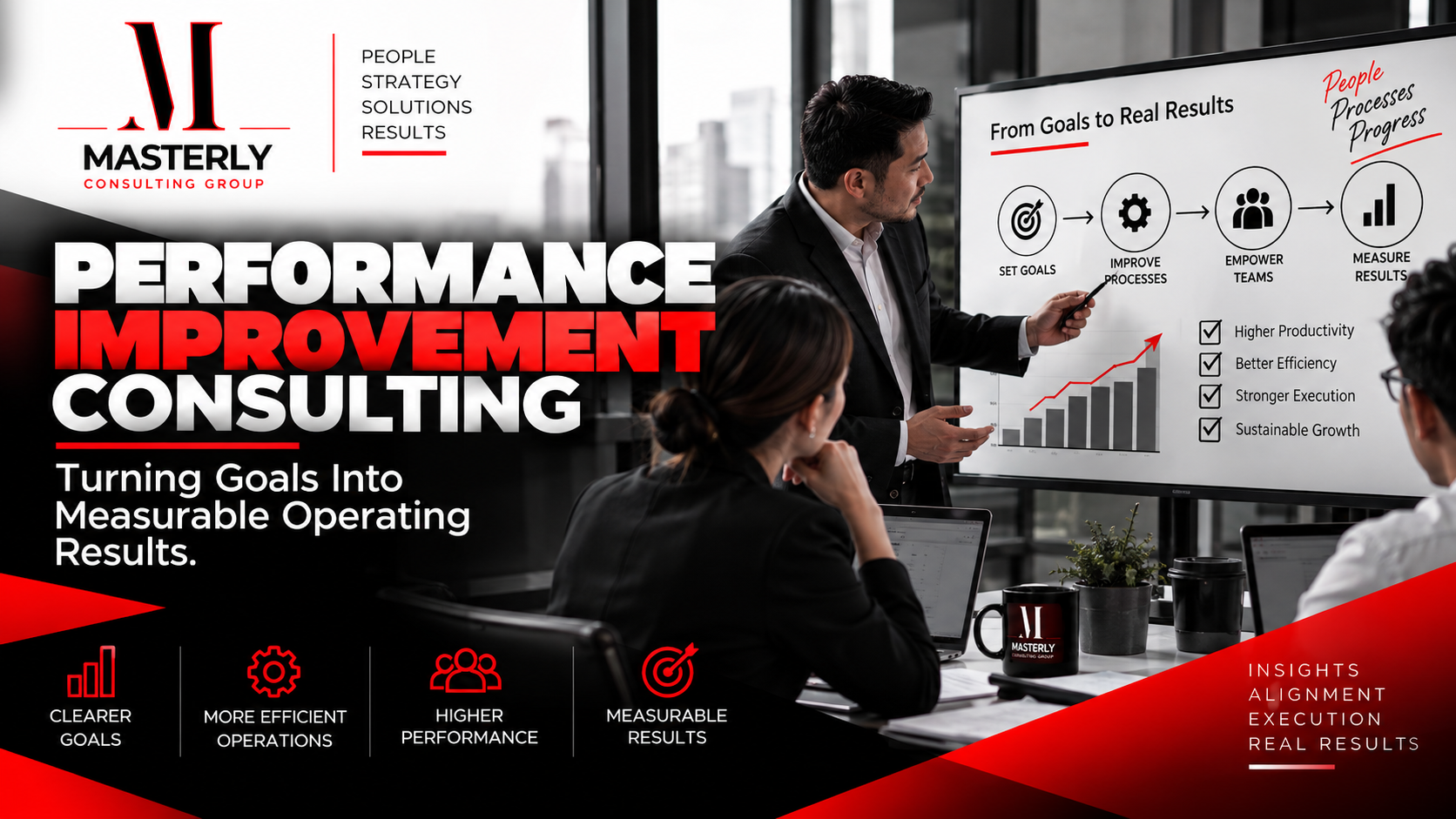
Leadership coaching meets this expectation by focusing on specific goals and observable outcomes. Improvements can often be seen in communication, decision-making, collaboration, and overall leadership effectiveness.
Business outcomes frequently improve when leaders improve.
This connection helps explain the growing popularity of coaching across multiple industries.
Aligning Development With Organizational Goals
Successful coaching does not occur in isolation.
The most effective engagements align personal development with organizational goals. This approach ensures that individual growth contributes directly to broader business priorities.
When leaders improve, teams often improve as well.
These collective gains support long-term organizational success.
A Global Network of Knowledge and Experience
Modern leaders often operate in environments influenced by global markets, diverse workforces, and international partnerships.
Access to a global network of perspectives can help professionals navigate these complexities more effectively. Coaching provides opportunities to explore challenges from multiple viewpoints while developing broader leadership capabilities.
This expanded perspective often strengthens cultural intelligence and strategic thinking.
Leaders become better equipped to succeed in interconnected environments.
Learning From Other Organizations
Many leadership challenges are not unique.
Professionals frequently benefit from lessons learned across other organizations and industries. While every situation is different, exposure to diverse experiences can spark new ideas and solutions.
This broader understanding supports innovation and adaptability.
Leaders gain tools they can apply in their own way.
Unlock Potential Before Burnout Limits Your Future
Burnout has a way of convincing professionals that they have reached their limits.
In reality, many individuals possess far more capability than they realize. The challenge is not a lack of talent but rather a need for support, reflection, and strategic development.
Coaching helps professionals unlock potential that may have been hidden beneath stress, fatigue, and uncertainty.
With the right guidance, individuals often rediscover motivation, confidence, and purpose.
Moving Toward Sustainable Success
Career success should not come at the expense of personal well-being.
Professionals who prioritize sustainable success create careers that remain fulfilling over the long term. They learn how to manage stress, maintain focus, and continue growing without sacrificing their health or relationships.
This balance supports both achievement and fulfillment.
It allows professionals to thrive rather than simply survive.
Developing a Deep Understanding of Leadership Challenges
Effective leadership requires more than experience and technical expertise. Professionals who achieve long-term success often possess a deep understanding of both people and organizational dynamics. They recognize how communication, decision-making, workplace culture, and employee engagement influence overall performance. Through coaching, leaders gain greater awareness of these factors, allowing them to make more informed decisions while strengthening relationships throughout the organization.
Creating Transformational Change That Lasts
Many professionals attempt to make changes when they feel overwhelmed, but short-term adjustments rarely address deeper issues. True transformational change occurs when individuals identify the underlying habits, behaviors, and beliefs that may be limiting their growth. Coaching helps leaders create sustainable strategies that support both professional achievement and personal well-being. By focusing on long-term development rather than temporary fixes, professionals can build momentum that leads to lasting success and renewed career satisfaction.
Leadership Coaching Trends Across the North American Market
Organizations throughout the North American business landscape are increasingly investing in coaching and leadership development programs. Companies recognize that supporting leaders is one of the most effective ways to improve employee engagement, strengthen organizational culture, and achieve stronger business outcomes. From emerging leaders to senior executives, professionals across North American industries are using coaching to navigate change, improve leadership effectiveness, and prepare for future opportunities. This growing emphasis on development reflects a broader understanding that strong leadership remains one of the most valuable assets any organization can possess.
Finding Your Own Way to Leadership Success
Every professional's career journey is different, which is why there is no single formula for becoming an effective leader. The most successful executives learn to find their own way rather than simply copying the strategies of others. Coaching provides a structured environment where individuals can evaluate their strengths, values, goals, and leadership style to determine what works best for them. By developing an authentic approach to leadership, professionals often build greater confidence, stronger relationships, and more meaningful career satisfaction.
High Performance Without Sacrificing Well-Being
Many professionals mistakenly believe that high performance requires constant pressure, long hours, and personal sacrifice. While dedication is important, sustainable success comes from balancing productivity with personal well-being. Leadership coaching helps professionals identify habits and strategies that support high performance while reducing the risk of burnout. When leaders learn how to manage energy, prioritize effectively, and maintain focus on what matters most, they are often able to achieve stronger results while enjoying a healthier and more fulfilling professional life.
The Future You Want Requires Intentional Action
Many professionals know something needs to change.
They feel the warning signs of burnout, recognize growing frustration, and sense that their current path may no longer align with their goals. Yet taking the first step can feel difficult.
The reality is that waiting rarely creates improvement.
Meaningful change begins when professionals choose to invest in their own growth and development.
Whether your goal is stronger leadership, greater confidence, improved performance, a successful career transition, or renewed purpose, support can make the journey significantly easier.
The most successful leaders understand they do not have to navigate challenges alone. They seek guidance, embrace learning, and remain committed to continuous growth. That commitment often becomes the difference between temporary success and long-term fulfillment.
How Business Coaching Helps Professionals Avoid Burnout and Achieve Greater Success
Many professionals reach a point in their careers where working harder no longer produces the results they want. Increased responsibilities, constant demands, and growing pressure can lead to frustration, uncertainty, and eventual burnout. Business coaching provides a structured process that helps individuals step back, evaluate their current situation, and develop strategies that support both personal fulfillment and professional success. Rather than focusing only on immediate challenges, coaching helps professionals create a clearer vision for their future while improving performance, confidence, and overall effectiveness. By gaining fresh perspectives and practical tools, leaders can make better decisions, strengthen relationships, and achieve sustainable success without sacrificing their well-being.
Contact Masterly Consulting Group for a Free Consultation
If you are feeling overwhelmed, disengaged, uncertain about your future, or concerned that burnout is beginning to affect your performance, now is the time to take action. The longer burnout continues, the more difficult it can become to regain momentum, confidence, and direction.
At Masterly Consulting Group, our executive coach professionals work with leaders, executives, managers, business owners, and high-performing professionals who want to achieve more without sacrificing their well-being. Through executive coaching services, business coaching, leadership coaching, and executive leadership coaching, we help clients develop the clarity, confidence, and strategies necessary to achieve sustainable success.
Our industry leading approach focuses on leadership development, emotional intelligence, executive presence, change management, talent management, succession planning, and personal growth. We help leaders strengthen leadership skills, improve leadership effectiveness, navigate organizational change, and achieve meaningful business outcomes.
Whether you are a member of the C suite, an emerging leader, a senior executive, or a professional considering a career transition, our coaching services can help you identify opportunities, overcome challenges, and move toward your full potential.
Contact Masterly Consulting Group today at (888) 209-4055 to schedule a free consultation. We would be honored to learn about your goals, answer your questions, and discuss how coaching can support your continued growth, confidence, and success.
Disclaimer: This article is provided for educational and informational purposes only. It is not intended to serve as legal, financial, employment, psychological, or professional advice. Reading this article does not create a coaching relationship with Masterly Consulting Group. Individual circumstances vary, and results from coaching engagements may differ based on numerous factors. For guidance regarding your specific situation, please contact Masterly Consulting Group directly for a consultation.