Profit-Focused Growth Plans a Business Coach Builds for Small Businesses
The Reality Many Small Businesses Face
Running a small business often begins with excitement, passion, and the hope of building something meaningful. Many business owners start their own business with a strong idea and the willingness to work hard. However, even the most dedicated small business owner can eventually face unexpected obstacles. Revenue may stall, sales may become inconsistent, and profits may not reflect the level of effort being invested.
These challenges are more common than most people realize. The difference between a struggling business and a thriving one often comes down to strategy, structure, and guidance. This is where business coaching becomes a powerful tool. A professional coach helps business leaders examine their operations, clarify priorities, and create systems that move the company toward long-term success.
At Masterly Consulting Group, our business coaching programs focus on helping organizations build profit-driven plans that support sustainable growth. By working closely with entrepreneurs and business owners, a skilled coach can transform uncertainty into a clear path forward.
Understanding the Role of Business Coaching
Effective business coaching goes far beyond offering advice. A skilled small business coach works directly with leaders to evaluate the strengths and weaknesses of the business. The coach studies current performance, analyzes revenue streams, and helps develop a structured plan for improvement.
Through regular sessions, a coach and business owners examine financial results, operational processes, and long-term goals. This process helps identify opportunities to increase revenue, improve efficiency, and strengthen leadership.
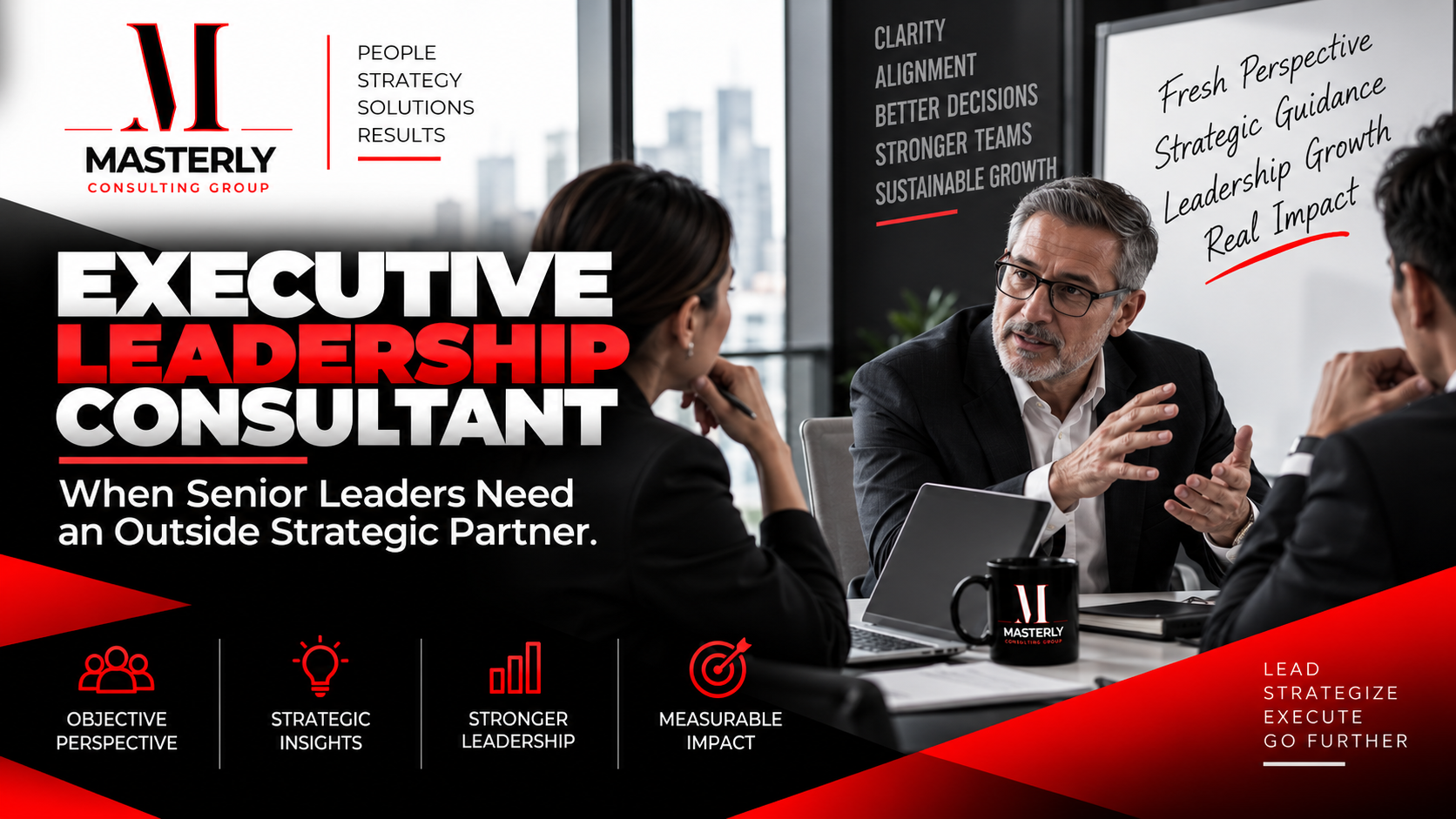
For many entrepreneurs, the value of business coaching lies in the ability to gain perspective. A professional coach provides the experience and expertise needed to help a company navigate complex challenges while remaining focused on results.
The Profit-Focused Mindset Behind Business Coaching
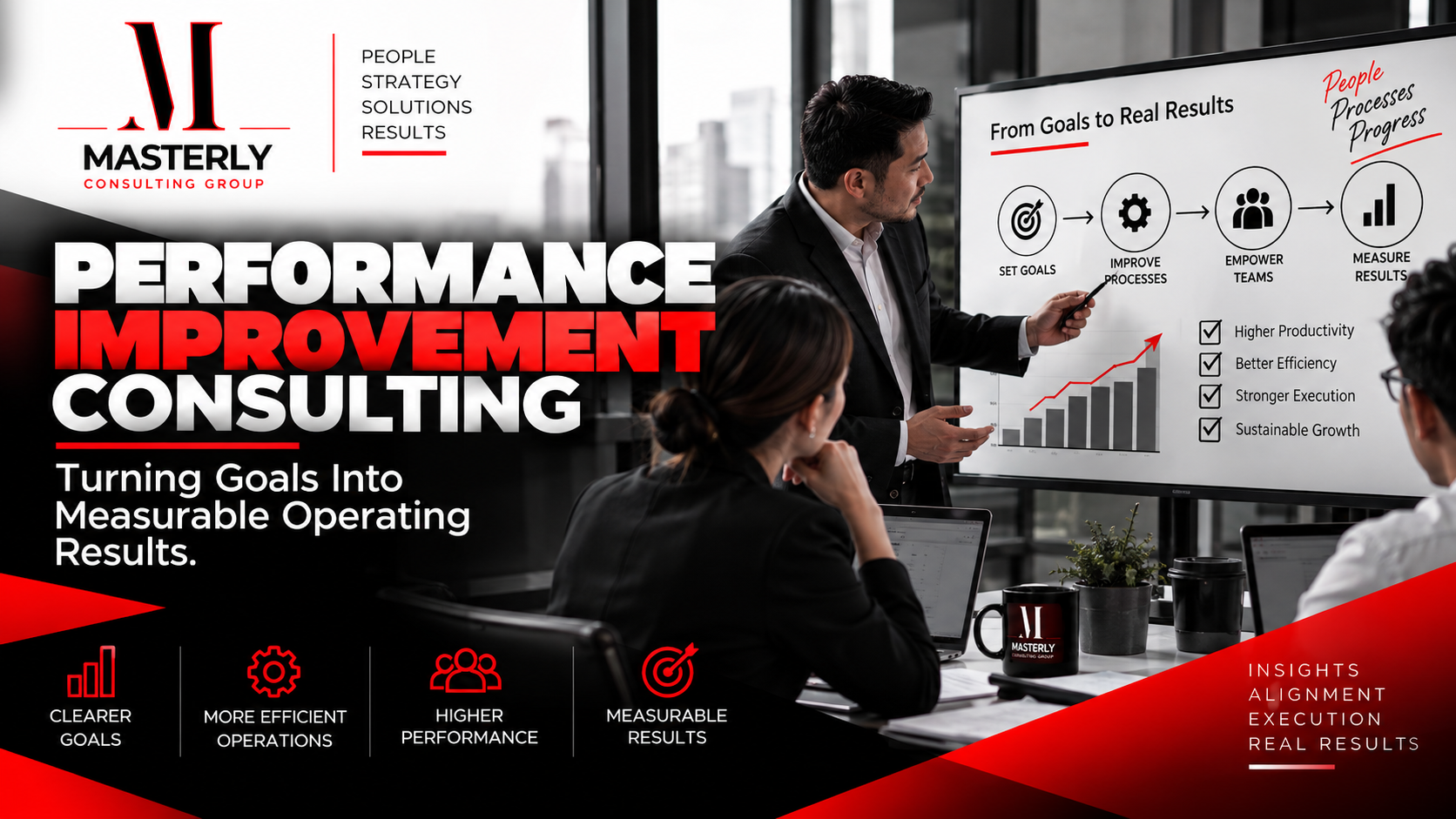
Profit-focused business coaching emphasizes measurable outcomes rather than vague ideas. The goal is to help a business generate consistent revenue while building a structure that supports future expansion.
A small business coach helps leaders identify the factors that drive profits, including pricing strategies, marketing effectiveness, and operational efficiency. When these elements align, the company becomes better positioned for business growth.
The coach works alongside the leadership team to evaluate how each department contributes to financial performance. This collaborative process ensures the entire organization is moving in the same direction.
Creating Action Plans That Drive Results
One of the most valuable aspects of business coaching is the creation of clear action plans. Instead of relying on guesswork, the coach helps business leaders outline practical steps for improving operations and profitability.
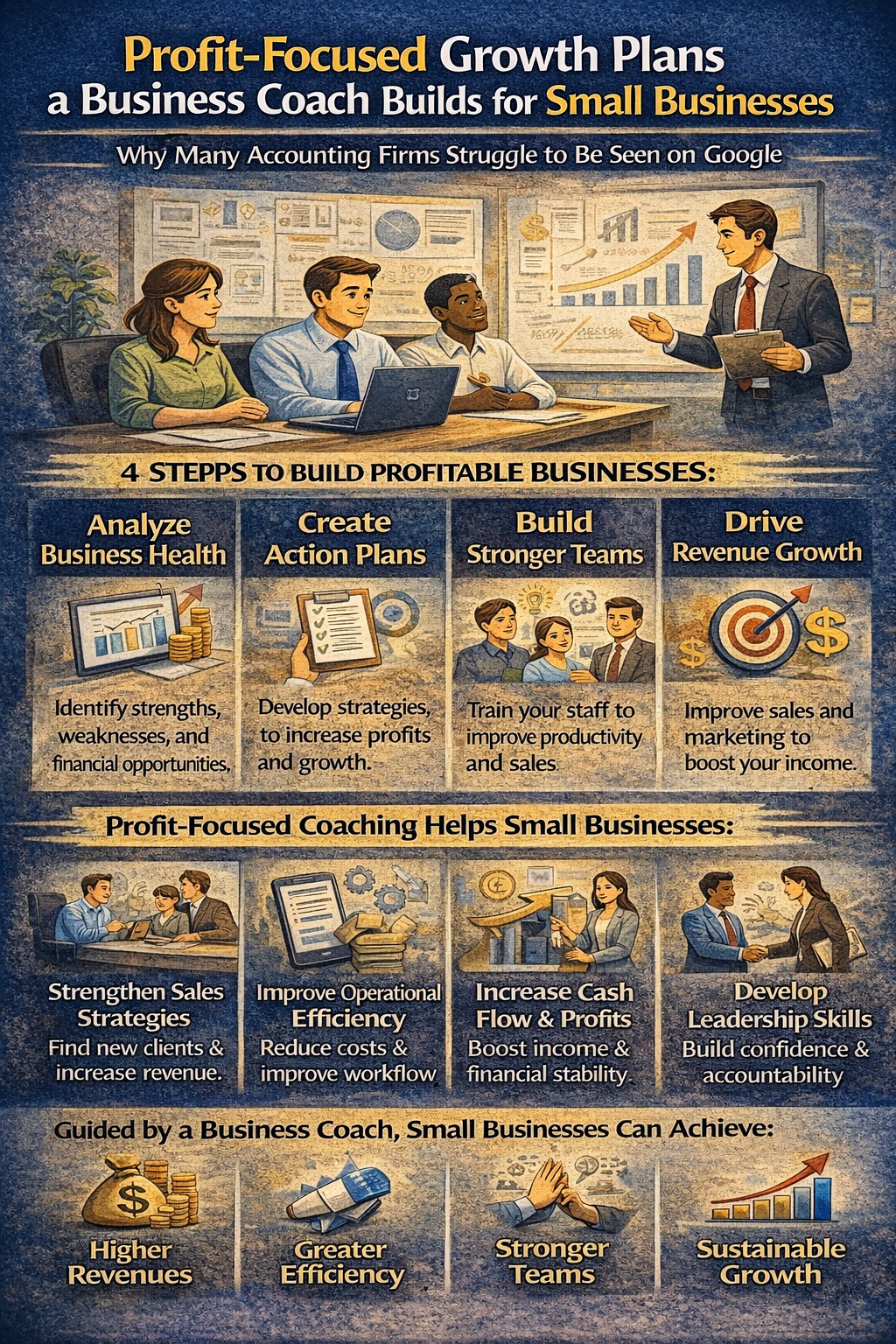
A profit-focused plan often includes the following priorities:
- Strengthening sales strategies to attract new clients
- Improving operational efficiency to reduce unnecessary cost
- Building systems that improve cash flow
- Developing leadership capabilities within the team
These action plans give business owners a structured path toward achieving their goals.
Why Small Businesses Benefit From a Business Coach
Many small business owners try to solve every problem alone. While independence can be admirable, it can also slow progress. A knowledgeable coach brings outside perspective and helps leaders identify opportunities they might otherwise overlook.
A small business coach helps organizations develop the business skills needed to compete effectively in a demanding marketplace. This guidance helps owners focus on what matters most—building a profitable and sustainable business.
Over time, consistent business coaching helps organizations move from reactive decision-making to proactive strategy.
The Connection Between Revenue and Strategy
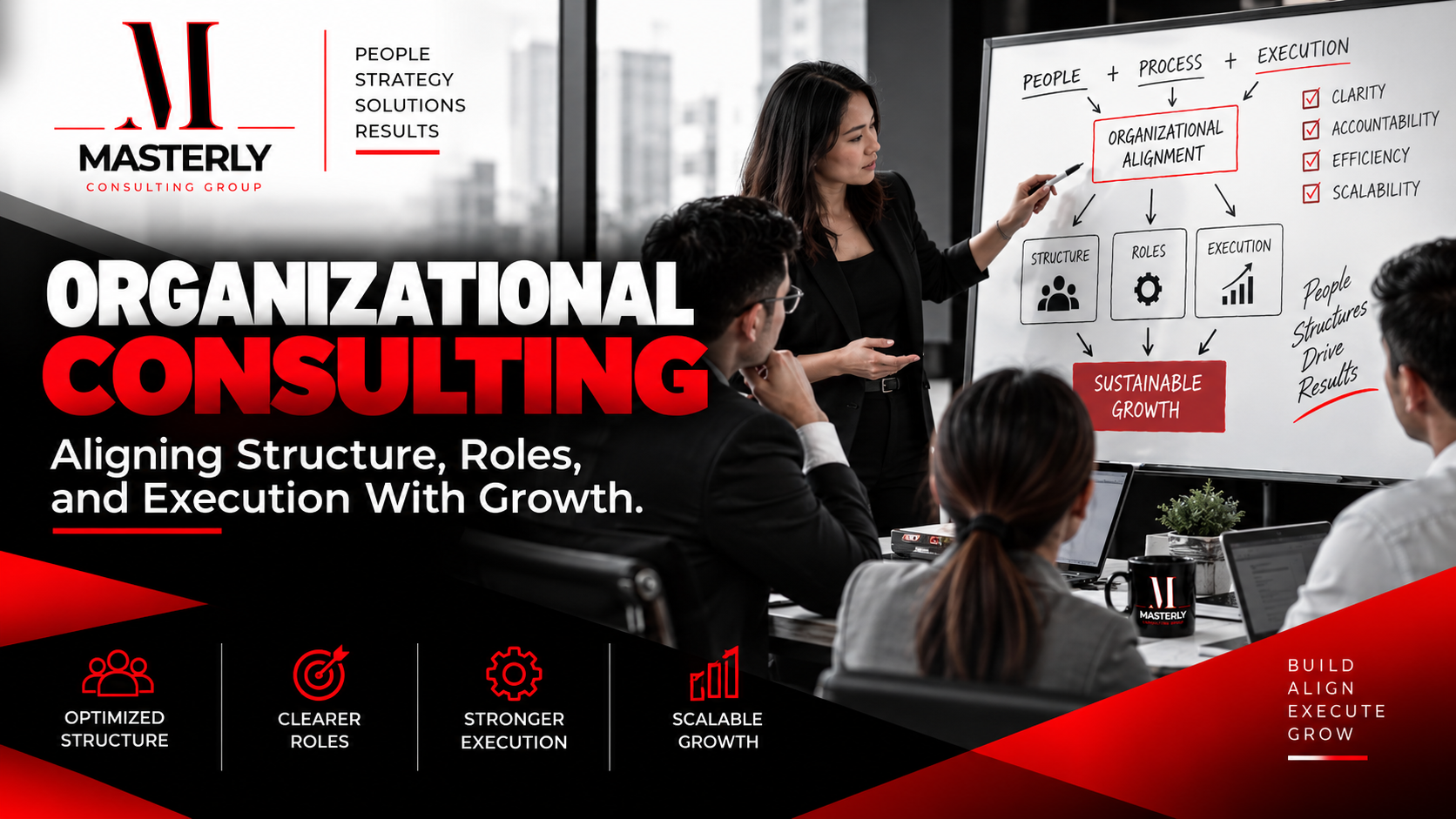
Increasing revenue requires more than hard work. It requires the right combination of planning, discipline, and execution. A coach works with leaders to align sales, marketing, and operations so they support the same financial goals.
A successful business coaching program often focuses on:
- Identifying the most profitable services
- Improving the efficiency of the sales process
- Reducing operational waste that affects profits
This strategic alignment allows a business to grow while maintaining healthy margins.
Building Leadership Skills Within the Organization
Strong leadership is a critical component of any successful organization. A coach works with business owners and executives to strengthen leadership skills and decision-making abilities.
When leaders become more confident in their roles, the entire team benefits. Employees gain direction, accountability improves, and the organization becomes more resilient.
Through business coaching, leaders learn how to lead effectively, communicate expectations clearly, and build a culture of accountability.
Accountability as a Key Element of Success
One of the most powerful aspects of business coaching is accountability. During regular sessions, the coach reviews progress and helps the company stay committed to its goals.
This accountability ensures that strategies move beyond discussion and into action. Leaders are encouraged to track results, measure outcomes, and adjust their approach when necessary.
For many organizations, this structure is the difference between good intentions and meaningful progress.
Sales Growth and Customer Acquisition
Increasing sales is often a top priority for small business owners. A skilled coach helps leaders analyze their current sales strategy and identify areas for improvement.
This may involve refining marketing messages, improving the sales funnel, or training staff to close deals more effectively. The ultimate objective is to increase revenue while maintaining a positive customer experience.
By strengthening sales performance, businesses can generate steady income and build relationships with loyal clients.
Strengthening the Business Team
A strong team is essential for sustained business growth. Through business coaching, leaders learn how to recruit, train, and retain top talent.
Effective hiring practices ensure that the right individuals join the organization. Once onboard, employees benefit from clear expectations and ongoing support from leadership.
When the team operates effectively, productivity improves and the organization becomes more capable of handling growth.
Navigating Operational Challenges
Every business faces operational challenges at some point. Whether it involves managing staff, controlling expenses, or improving workflow, these issues can impact profitability.
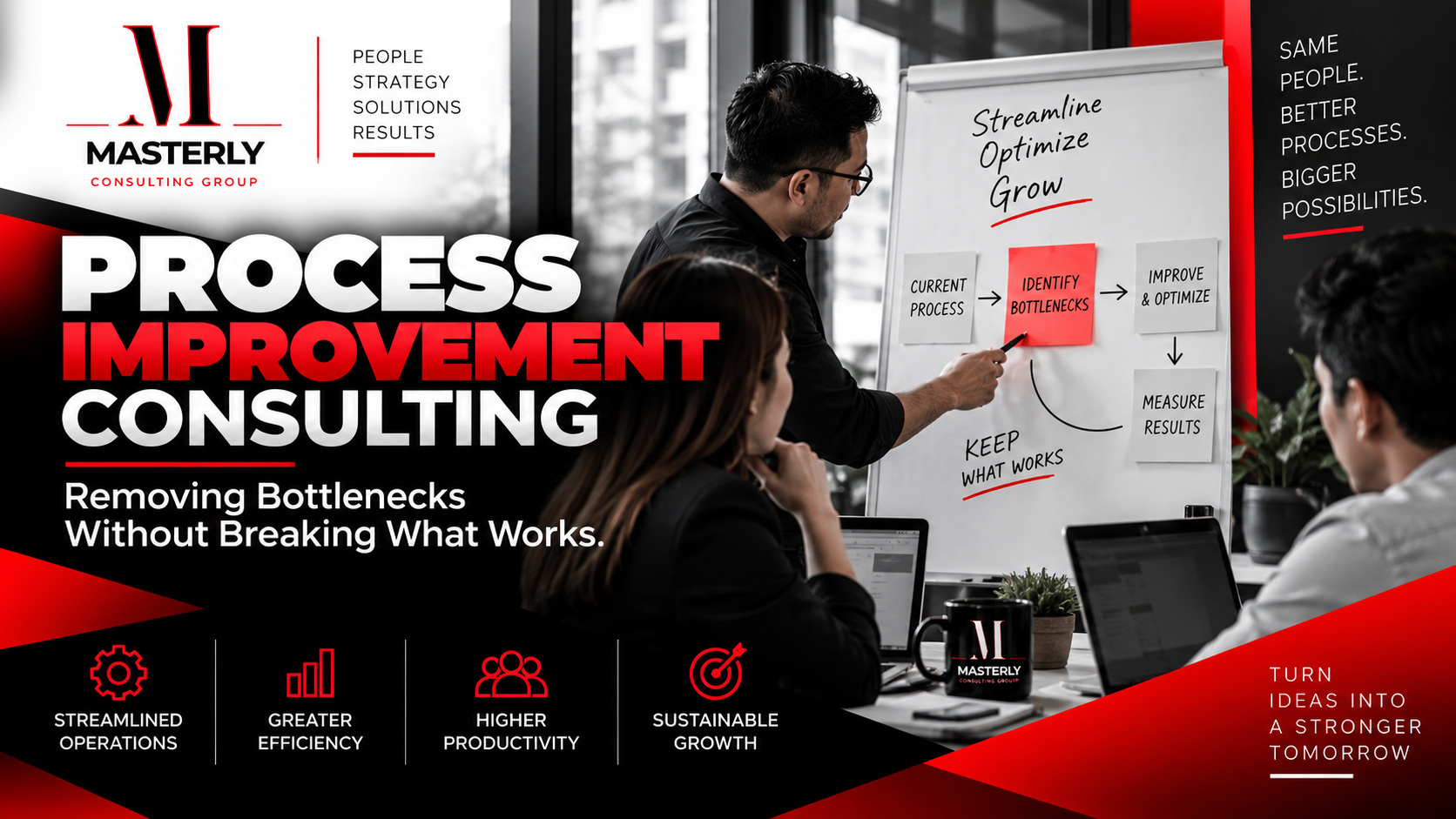
A coach helps leaders analyze these problems and develop solutions that align with long-term goals. By addressing operational inefficiencies, companies can improve productivity and strengthen financial performance.
This structured approach allows businesses to navigate obstacles with confidence.
Financial Awareness and Profit Strategy
Understanding the financial health of a business is essential for long-term success. During business coaching sessions, leaders review financial metrics such as revenue, expenses, and profits.
A coach helps leaders understand how decisions affect the bottom line. This knowledge empowers business owners to make smarter investments and allocate resources more effectively.
Improved financial awareness leads to better planning and stronger profits over time.
Scaling Operations for Sustainable Growth
As a business expands, systems must evolve to support increased demand. Scaling operations requires careful planning and the right leadership structure.
A coach helps organizations evaluate their current processes and identify areas where improvements are needed. By refining operations, companies can grow without sacrificing quality or profitability.
This structured approach helps businesses scale responsibly.
The Importance of Confidence in Leadership
Leadership confidence plays a significant role in organizational success. Many business owners struggle with uncertainty, especially during periods of rapid change.
Through business coaching, leaders gain the knowledge and confidence needed to make bold decisions. With the guidance of a coach, they learn how to evaluate risks, set priorities, and move forward with clarity.
Confidence helps leaders inspire their team and maintain momentum.
Building a Thriving Business Culture
A thriving workplace culture encourages innovation, collaboration, and accountability. A coach helps leaders cultivate an environment where employees feel valued and motivated.
When a team believes in the organization’s vision, productivity improves. Employees become more engaged and committed to helping the business succeed.
This cultural alignment supports both short-term performance and long-term growth.
Connecting With a Global Community of Entrepreneurs
Many successful leaders benefit from engaging with a broader global community of professionals. Networking opportunities, industry groups, and organizations such as the worldwide association of coaching professionals help leaders stay informed.
A small business coach often introduces clients to resources and communities that support learning and collaboration.
This expanded perspective allows entrepreneurs to learn from others who share similar goals and challenges.
Business Coaching as a Long-Term Investment
Investing in business coaching is often one of the most valuable decisions a leader can make. While it requires time and commitment, the benefits extend far beyond immediate results.
Organizations that invest in strategic development often experience stronger profits, better leadership, and improved operational performance.
Over the course of five years, many businesses that commit to coaching experience measurable improvements in revenue, employee retention, and market position.
Reaching New Heights Through Strategic Guidance
The journey toward success rarely follows a straight line. Every business encounters obstacles, market changes, and competitive pressures.
With the help of a knowledgeable coach, leaders can maintain focus and continue moving forward. Strategic guidance helps companies overcome setbacks and pursue new opportunities.
When organizations commit to growth, they position themselves to reach new heights.
Contact Masterly Consulting Group for a Free Consultation
Building a profitable and sustainable business requires more than determination. Many business owners eventually reach a point where experience, structure, and outside perspective become essential. If your organization is ready to increase revenue, strengthen leadership, and build a clear strategy for long-term growth, professional business coaching can make a significant difference.
At Masterly Consulting Group, we specialize in helping small business owners, entrepreneurs, and established companies develop profit-focused strategies. Our coaching programs are designed to provide practical support, accountability, and expert guidance tailored to your business needs.
If you are ready to move your business forward and unlock new opportunities, our team is here to help. Contact us at (888) 209-4055 to book a free consultation. We will discuss your goals, evaluate your current strategy, and explore how a customized business coaching program can help your organization achieve stronger profits and lasting success.
Disclaimer: This article is provided for informational purposes only and reflects general insights about business coaching and strategic development. Every organization is unique, and results may vary depending on circumstances. Businesses seeking guidance should consult with qualified professionals to determine the best strategy for their specific goals.