Nonprofit Consulting: When Mission-Driven Organizations Need Outside Strategy and Structure
Nonprofit consulting is specialized advisory support built for mission driven organizations. It focuses on strategy, structure, and implementation design rather than legal or tax advice. Nonprofit consulting firms specialize in strengthening the operational, financial, and strategic capacity of tax-exempt organizations, acting as external strategic advisors for charities, NGOs, and foundations. Consulting is especially valuable when nonprofits face important, complex, and difficult problems to solve internally.
Between 2020 and 2025, many nonprofit organizations experienced rapid funding surges, post-pandemic service demand spikes, and executive director transitions that left systems lagging behind growth. Nearly 90% of nonprofit leaders report concern about burnout, and 86% say inflation has directly impacted their organizations. Whether you are navigating expansion planning, resetting after a stalled strategic plan, or managing a leadership change, outside consulting can drive high-impact outcomes:
- Clarity of strategic direction and mission alignment
- Stronger nonprofit operations and organizational stability
- Aligned leadership and board around shared strategic objectives
- A realistic implementation plan with owners, milestones, and accountability
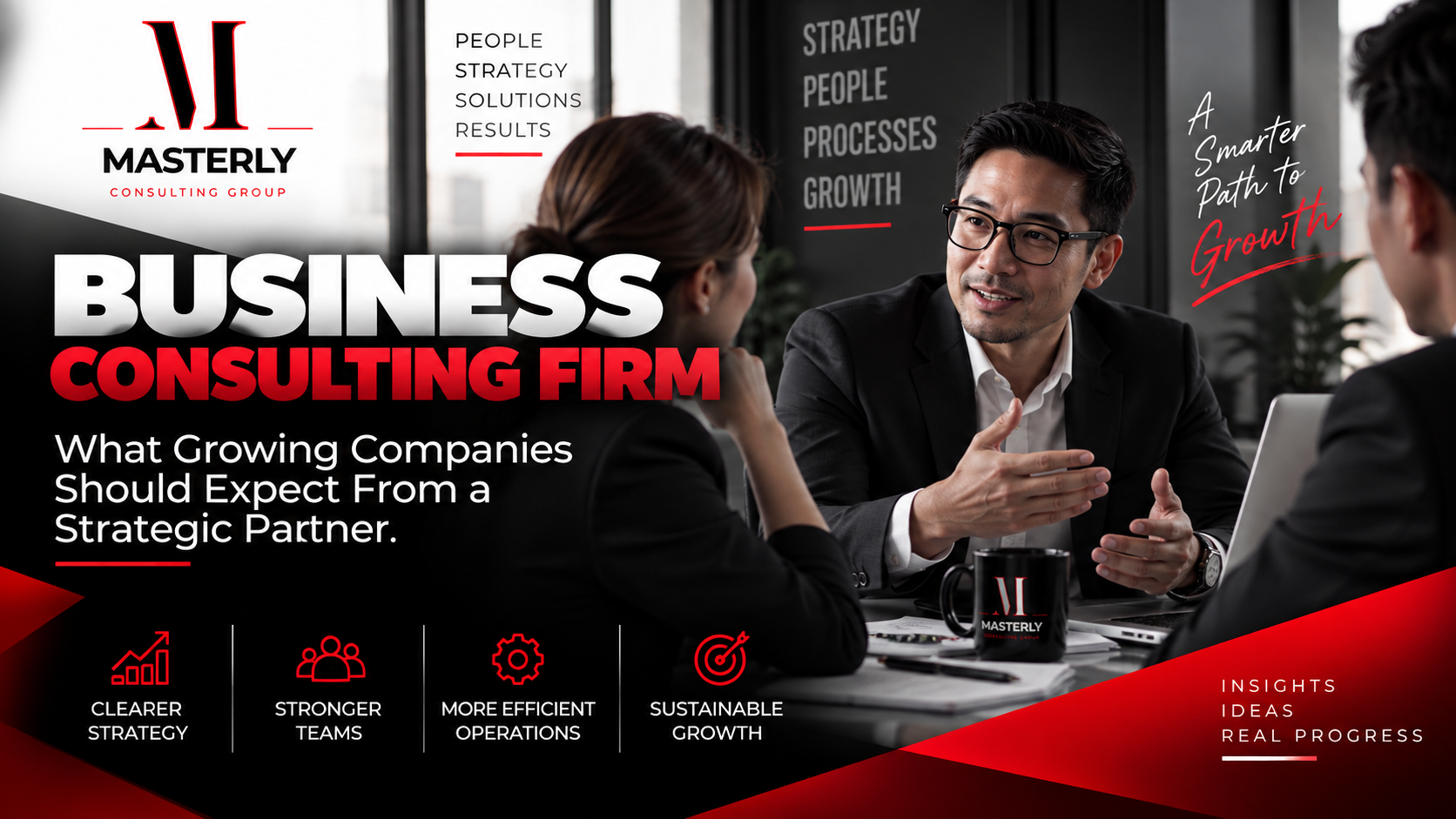
Masterly Consulting Group serves as an organization-wide partner in nonprofit strategy and organizational planning-not just a board-retreat or fundraising firm. Consultants provide an objective external perspective to help nonprofits tackle growth initiatives, and nonprofits gain access to specialized expertise that they may not be able to afford full-time. The sections below offer concrete frameworks and examples for deciding when, how, and why to engage outside support.

When Outside Help Makes Sense: Signals Your Nonprofit Needs Consulting Support
Boards and executives should look for specific stress signals rather than waiting for a full-blown crisis. Nonprofit consultants offer unbiased evaluations of internal challenges, helping organizations identify the gap between where they are and where they need to be. Here are the most common signals:
- Budget has doubled since 2021 but finance, HR, and operations systems have not kept pace
- Staff turnover in senior roles or repeated burnout across teams
- Repeated conflict or unclear expectations between the board and executive director
- Missed grant reporting deadlines or compliance failures
- A strategic plan older than five years, or one that no longer guides day to day operations
- Rapid growth in programs or geography without updated decision rights
- Fundraising revenue concentrated in one or two sources, creating financial risk
- Board meetings consumed by operational details instead of strategic goals
Consider a small community food bank whose funding surged in 2021–2022 but whose staffing and processes were never upgraded, leading to bottlenecks and burnout. Or a large regional educational association that expanded programs into multiple states yet still operated with a single centralized structure, causing delays and inconsistency across communities.
Nonprofit consulting firms help organizations solve strategic, operational, financial, and organizational challenges by bringing neutral facilitation, comparative sector insight, and structured decision-making that internal teams struggle to create on their own. Many organizations now build consulting into their organizational planning cycle every three to five years as a proactive investment, not just an emergency response.
Core Areas of Nonprofit Consulting: Strategy, Structure, and Implementation
Nonprofit consulting blends strategic planning, organizational planning, and hands-on implementation design. Nonprofit consulting firms provide specialized guidance in areas like fundraising, strategic planning, and impact measurement. The major advisory domains include:
- Nonprofit strategy - Redesigning a 2027–2030 strategic plan to account for volatile funding, or clarifying which programs to start, stop, or expand based on research and mission fit.
- Nonprofit operations - Diagnosing bottlenecks such as slow grant reimbursements or inconsistent program data. Consultants help nonprofits streamline internal processes and enhance operational efficiency.
- Board consulting and governance - Consultants help nonprofits clarify governance structures and improve board effectiveness, including committee redesign and performance conversation frameworks.
- Leadership and talent - Nonprofit consultants guide organizations through executive transitions and leadership restructuring, such as redefining a senior leadership role after a founder departure.
- Performance and accountability systems - Designing dashboards, selecting KPIs, and building learning loops that connect daily work to long term goals.
Nonprofits use consultants to develop fundraising plans and diversified revenue models, strengthen organizations from the inside, and create sustainable systems. Masterly Consulting Group deliberately avoids providing legal, tax, or audit services and instead partners with those professionals when needed, so that specialized complexities in those sectors are handled appropriately.

Strategic Planning vs. Tactical and Operational Planning: Getting the Levels Right
Understanding planning layers is crucial for any nonprofit trying to align its teams around a shared vision. The four phases of organizational planning are strategic, tactical, operational, and contingency. Organizational planning involves defining overarching goals and tactical steps to achieve them.
- Strategic planning defines long term goals and objectives. It involves assessing internal strengths and weaknesses, formulating plans based on external opportunities and threats, and helps position organizations for future success. A strategic plan outlines pathways to achieve long term objectives-for example, deciding whether to serve three or six counties over the next five years, or shifting from direct services to an advocacy model.
- Tactical planning converts strategy into annual and departmental choices-your tactical plans for the next fiscal year might include piloting educational programs in underserved areas, launching a major-donor campaign, or developing response strategies for policy changes. These are the actionable steps that carry out the strategic plan.
- Operational planning details specific tasks and workflows for daily activities: staffing schedules, grant cycles, technology rollouts, and process improvements that keep nonprofit operations running.
- Contingency planning prepares for unforeseen events that may disrupt progress, such as sudden funding loss or regulatory shifts driven by external factors.
Effective organizational planning aligns daily activities with long term vision. Consultants help prevent boards from micromanaging operations and enable staff to translate strategy into realistic annual workplans. For example, a strategic objective like "expand to a second county in 2028" connects to a tactical plan of "pilot a mobile clinic in Q3 2027," which connects to an operational plan detailing staffing, scheduling, and financial planning for that pilot.
Organizational Planning: Why Structure, Roles, and Decision Rights Matter
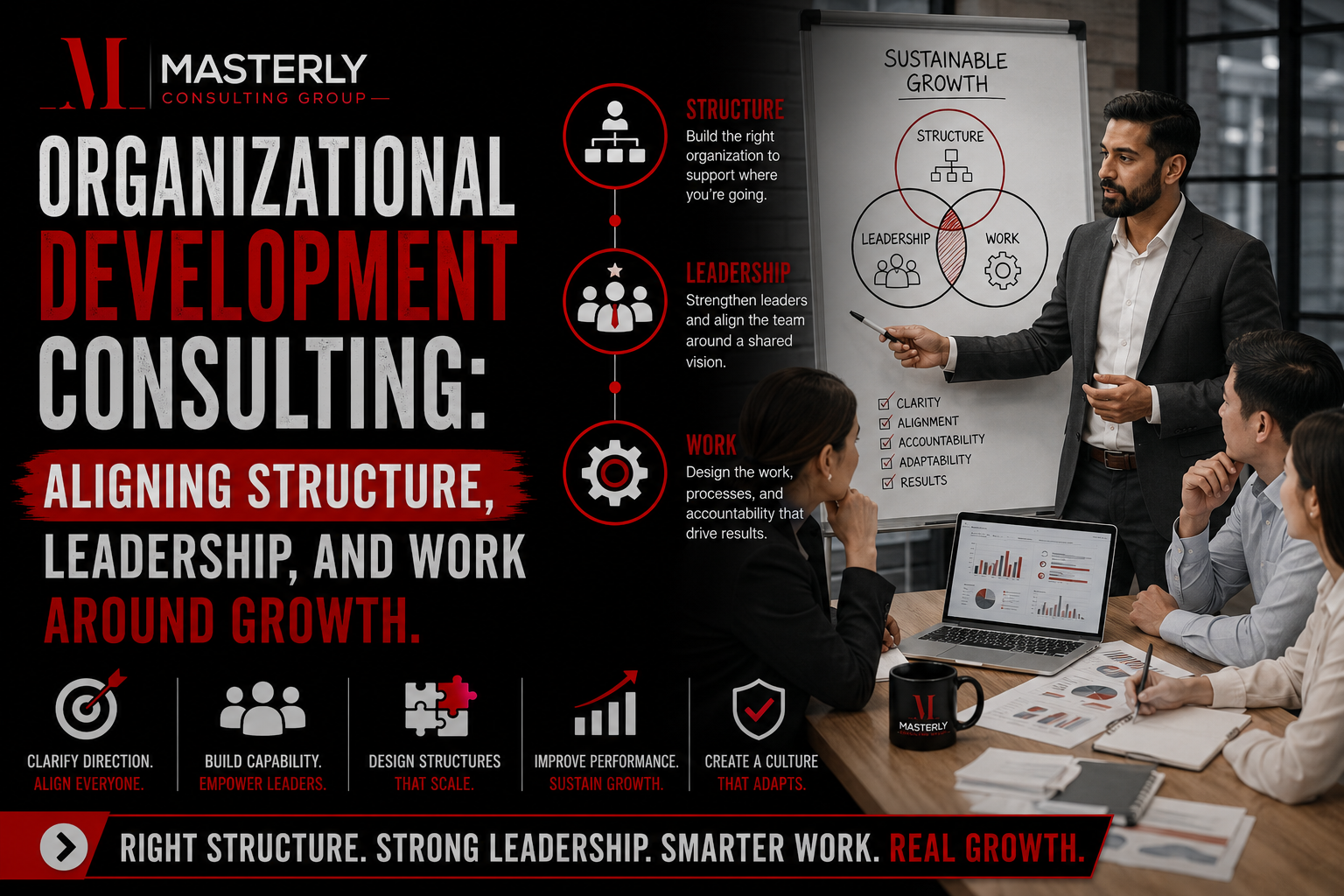
Organizational planning is the discipline of aligning structure, roles, and processes so the mission can scale without burning people out. Understanding why organizational planning important is straightforward when you consider the risks of neglecting it: duplicated work across programs, unclear authority between the board chair and executive director, slow grant approvals, and workforce exhaustion.
Key elements nonprofit consulting can address include:
- Updated org chart reflecting current programs and internal capacity
- Clarified decision-rights matrix between board, executive director, and senior teams
- Cross-functional collaboration practices that reduce silos
- Role clarity so employees understand how their job connects to organizational goals
Consider a mid-sized mission driven organization that received a large federal grant in 2022 for housing services. It expanded from serving one state to three but still operated under a single program director. The redesign required hiring regional leads, redefining roles across nonprofit job roles in finance, HR, and operations positions, decentralizing financial approvals, and instituting shared services across sites. Operational planning details specific tasks and workflows for daily activities in this kind of expansion. Contingency planning prepares for unforeseen events that may disrupt progress, such as losing a key funder mid-expansion.
Consultants use data-staff surveys, interviews, process mapping-rather than opinion alone to recommend changes. These findings feed both strategic and operational planning, helping plan resources and formalize decision rights that support organizational stability and development.
Board and Leadership Alignment: Consulting Beyond "Board Retreats"
Ongoing nonprofit consulting is distinct from one-time board-retreat facilitation. Where a retreat might energize a board for a weekend, sustained consulting addresses the structural and relational aspects of governance that determine whether strategy actually gets executed.
Common leadership alignment challenges include:
- Unclear expectations of the executive director, who is a key leadership role in nonprofits
- A board that lives in the weeds of day to day operations instead of focusing on strategic oversight
- Founders who still control decisions informally after stepping out of management
Consultants facilitate better decision-making by combining stakeholder input with data and analysis. At the organization-wide level, board consulting can include role clarity, committee structure, meeting design tied to the strategic plan, and structured performance conversations with the executive director. Include strategic discussions in every board meeting agenda to keep governance focused on the future rather than the past. Engaged boards improve organizational effectiveness and strategic outcomes-BoardSource offers resources for engaging boards in strategic planning that reinforce this principle.
Real governance tensions from recent years-boards divided over remote vs. in-person service models, shifting DEI expectations, or debates about external opportunities for partnership with government funders-illustrate why outside facilitation helps bridge divides that internal leadership alone may not resolve.

Nonprofit Operations and Performance Systems: Turning Strategy into Daily Practice
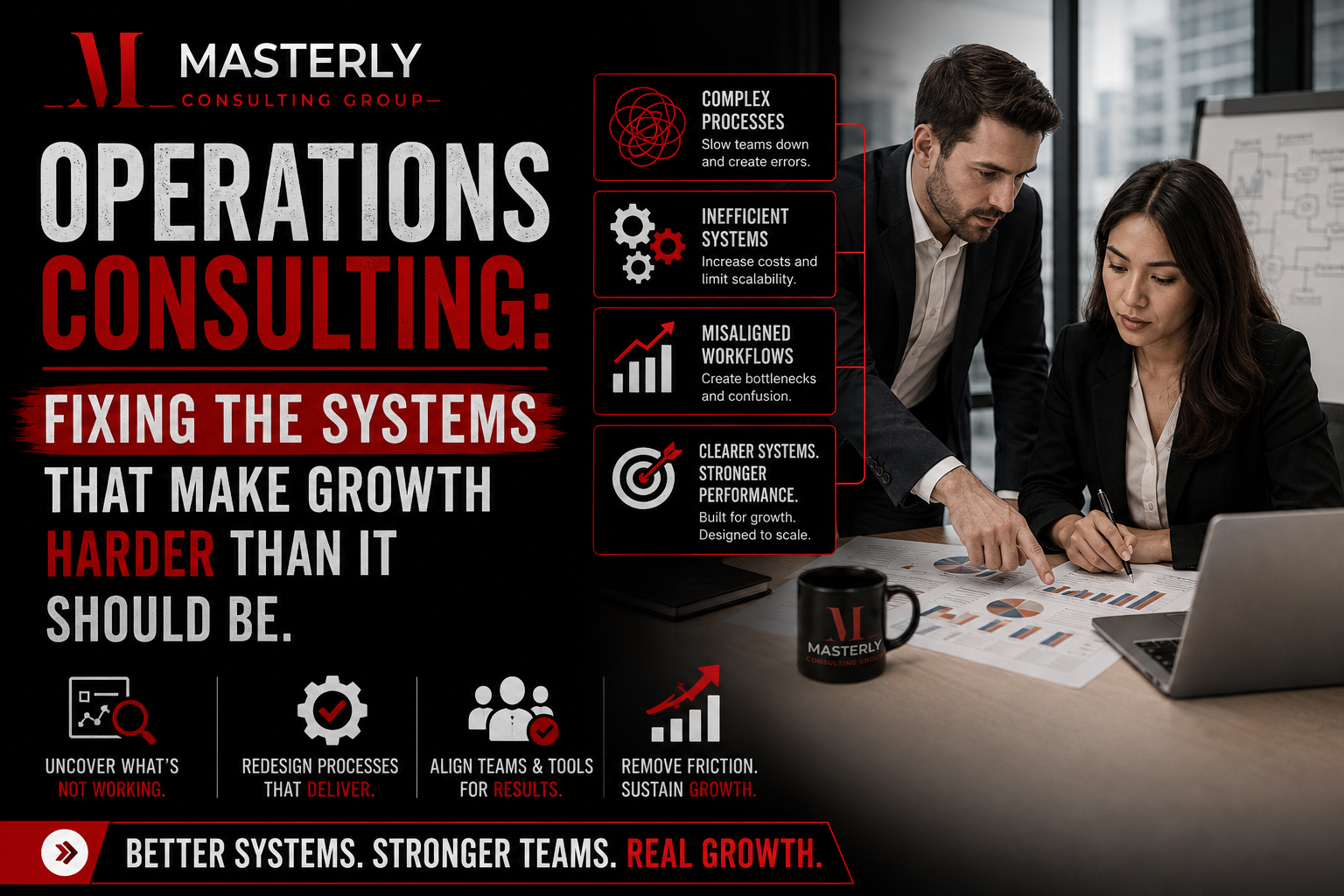
Nonprofit operations is the integrated engine of finance, HR, technology, compliance, and program administration that supports front-line impact. Nonprofit Operations focuses on operational leadership roles that keep this engine running efficiently. Consultants establish performance indicators to evaluate program success and inform decision-making, turning strategy into measurable daily practice.
Common operational bottlenecks consultants diagnose:
- Slow month-end close in accounting and finance functions
- Grant reimbursement delays caused by inconsistent data across programs
- Staff confusion about processes, especially after rapid growth or events like leadership transitions
- Lack of knowledge sharing between program teams
Nonprofits benefit from consultants by strengthening their financial sustainability and improving fundraising strategies alongside these operational improvements. Performance systems consultants help design include dashboards linked to the strategic plan, clear KPIs for program leads, and simple progress reviews the board can understand.
For example, a health-focused nonprofit might track housing stability 12 months after placement rather than just counting the number of people housed. This kind of mission-aligned metric creates lasting impact by measuring what actually matters to communities served-accomplishing the shift from outputs to outcomes that most nonprofit leaders want but struggle to achieve on their own.
How a Nonprofit Consulting Engagement Typically Works
A typical engagement follows four phases:
- Discovery and assessment - Interviews with staff and board, review of budgets from recent fiscal years, analysis of program and financial data, and diagnostic surveys to surface strengths and challenges.
- Co-design of strategy or organizational plan - Working sessions on mission, vision, and strategic objectives; creation of a three-year roadmap with milestones and owners; defining success metrics.
- Alignment - Getting the board, executive director, and senior staff aligned on priorities; refining deliverables; setting tactical and operational plans for Year One.
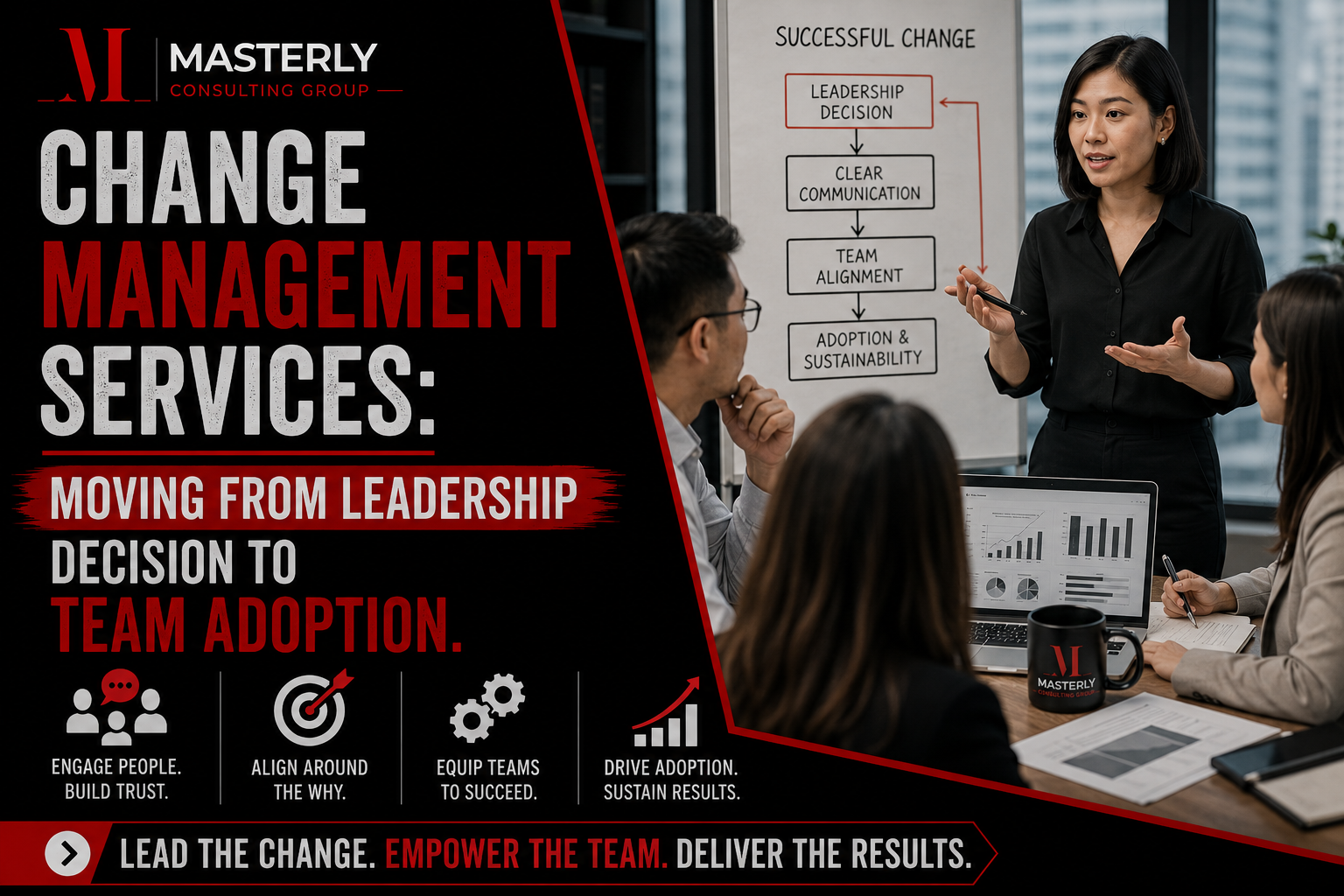
- Implementation support and accountability - Supporting change management, process redesign, technology projects, and reviewing progress at regular intervals so the plan does not sit on a shelf.
Strong consultants build internal capacity rather than dependency, teaching frameworks leadership can reuse-annual strategic refresh cycles, decision-making criteria, or scenario planning templates. Typical timeframes range from 8–12 weeks for a focused planning project to 6–12 months for full strategy and organizational planning. No engagement should promise a quick fix; the goal is to strengthen organizations so they can accomplish their mission with greater skill and resilience.
Choosing a Nonprofit Consulting Partner (and How Masterly Consulting Group Fits)
Fit matters. The right consulting partnership requires sector experience, listening skills, cultural humility, and the ability to work with both board and staff. Here are selection criteria for nonprofit leaders:
- Experience with similar mission areas and the nonprofit sector specifically
- Deep understanding of nonprofit finance, including restricted funds and grant cycles
- Clarity about scope, deliverables, and timelines
- A stakeholder engagement approach that includes board, staff, and community voice
- Willingness to challenge assumptions respectfully based on research and external benchmarking
- Expertise in aligning strategic, tactical, and operational planning layers
- Track record of building internal capacity, not just delivering slide decks
Red flags include over-promising quick fixes, pushing generic corporate business models onto small nonprofits, or ignoring equity and community voice in the process.
Masterly Consulting Group positions itself as an organization-wide nonprofit strategy advisory firm that focuses on aligning strategic planning with implementation accountability. The firm works across the full planning spectrum-from long term objectives and vision-setting to operational efficiency and performance systems-helping clients create plans they can actually execute.
Request a nonprofit strategy consultation with Masterly Consulting Group.
Masterly Consulting Group www.masterlygroup.com (972) 236-5051

FAQs: Common Questions About Nonprofit Consulting
How is nonprofit consulting different from hiring new staff? Consultants bring an external perspective, cross-sector benchmarking, and surge capacity for specific initiatives. They do not replace internal leadership but amplify it. Job seekers can find full-time nonprofit roles on specialized job boards when you need permanent hires, and nonprofit job postings emphasize transparency and sustainability in those searches. Consulting fills a different need: targeted expertise for a defined engagement.
Will consultants tell our board what to do? No. Consultants facilitate structured conversations, surface data, and present options. The board retains all decision-making authority. The goal is to enable better-informed choices, not to override governance.
What if our strategic plan is only two years old? A recent plan may still benefit from a mid-cycle refresh, especially if external factors like funding shifts or regulatory changes have altered your landscape. Consultants can help you adjust tactical plans without starting from scratch.
How involved should our executive director be in the process? Deeply involved. The executive director is the bridge between board-level strategy and staff-level execution. Their participation ensures alignment and accelerates implementation.
Does Masterly Consulting Group provide legal, accounting, or tax advice? No. Masterly Consulting Group does not provide legal, accounting, or tax advice and will recommend separate professional counsel when those issues arise. The firm focuses on strategy, organizational planning, operations, and leadership alignment.
Timely, structured nonprofit consulting can be the difference between a mission that stalls and one that scales. If your organization is facing any of the signals described above, now is the right time to act. Request a nonprofit strategy consultation with Masterly Consulting Group at www.masterlygroup.com or call (972) 236-5051.