How a Business Coach Can Help CEOs Drive Growth and Innovation
The Pressure CEOs Face in Today’s Business Environment
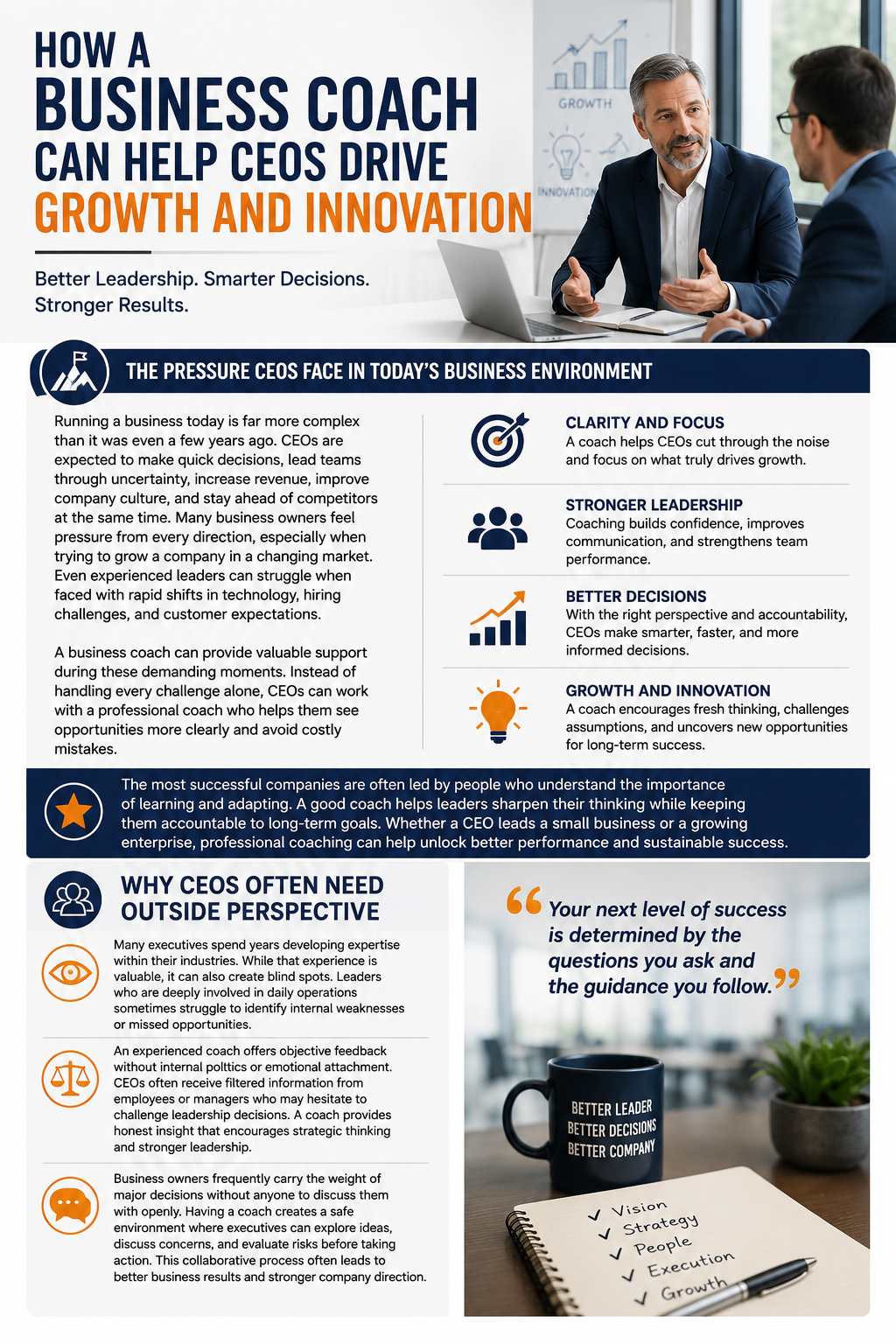
Running a business today is far more complex than it was even a few years ago. CEOs are expected to make quick decisions, lead teams through uncertainty, increase revenue, improve company culture, and stay ahead of competitors at the same time. Many business owners feel pressure from every direction, especially when trying to grow a company in a changing market. Even experienced leaders can struggle when faced with rapid shifts in technology, hiring challenges, and customer expectations.
A business coach can provide valuable support during these demanding moments. Instead of handling every challenge alone, CEOs can work with a professional coach who helps them see opportunities more clearly and avoid costly mistakes. Many leaders discover that having a trusted advisor improves confidence, strengthens decision-making, and creates a more focused path toward growth.
The most successful companies are often led by people who understand the importance of learning and adapting. A good coach helps leaders sharpen their thinking while keeping them accountable to long-term goals. Whether a CEO leads a small business or a growing enterprise, professional coaching can help unlock better performance and sustainable success.
Why CEOs Often Need Outside Perspective
Many executives spend years developing expertise within their industries. While that experience is valuable, it can also create blind spots. Leaders who are deeply involved in daily operations sometimes struggle to identify internal weaknesses or missed opportunities. This is where a business coach becomes especially valuable.
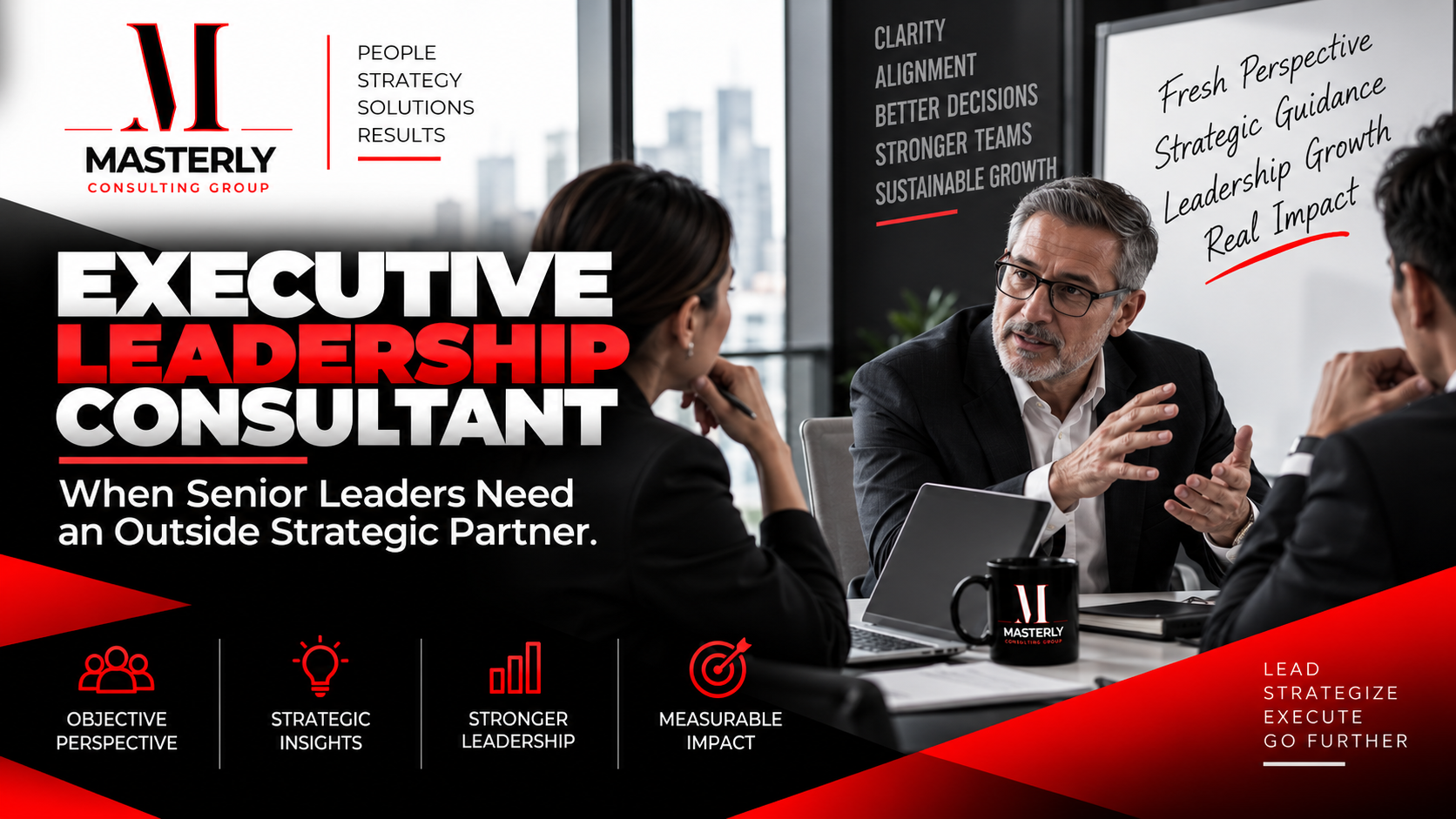
An experienced coach offers objective feedback without internal politics or emotional attachment. CEOs often receive filtered information from employees or managers who may hesitate to challenge leadership decisions. A coach provides honest insight that encourages strategic thinking and stronger leadership.
Business owners frequently carry the weight of major decisions without anyone to discuss them with openly. Having a coach creates a safe environment where executives can explore ideas, discuss concerns, and evaluate risks before taking action. This collaborative process often leads to better business results and stronger company direction.
The Difference Between Coaching and Consulting
Some business owners confuse coaching with consulting, but the two services operate differently. A consultant typically focuses on solving a specific problem for a company. A business coach focuses on helping leaders improve their decision-making, leadership approach, and long-term performance.
A coach helps CEOs develop skills that continue benefiting the company long after the coaching engagement ends. Instead of simply giving instructions, the coach works alongside the executive to strengthen confidence, communication, and strategic planning abilities. This creates long term success instead of temporary fixes.
Small business coaching also focuses heavily on accountability. Many leaders know what needs to be done but struggle with execution because of distractions or competing priorities. A coach helps ensure goals stay on track while pushing executives toward measurable progress.
How a Business Coach Supports Company Growth
Growth rarely happens by accident. Expanding a company requires planning, discipline, and clear leadership. A business coach helps CEOs evaluate the company’s growth potential while identifying areas that may be slowing progress.
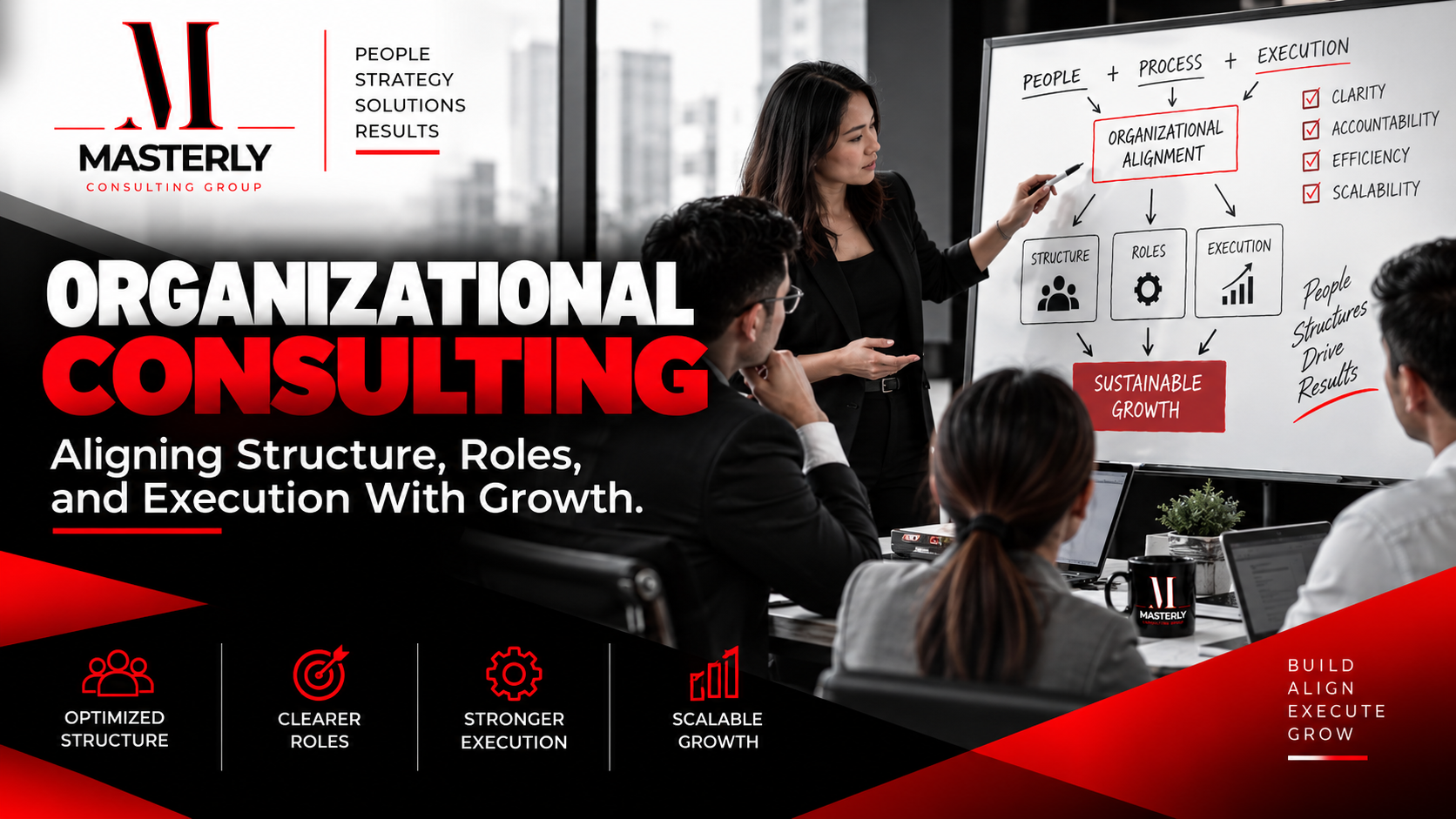
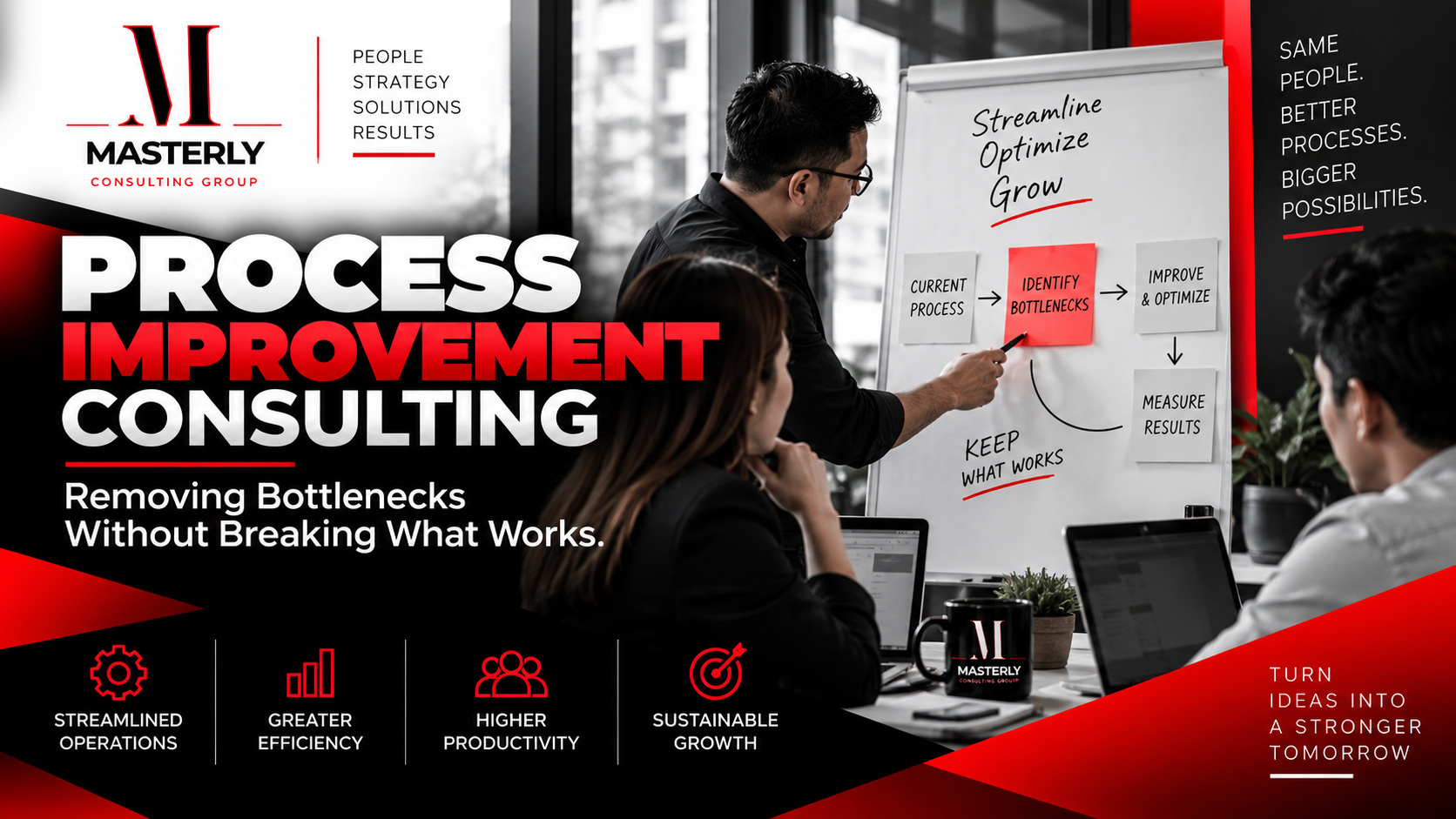
In many cases, business challenges come from unclear priorities or outdated systems. Coaches focus on helping leaders build a stronger structure for scaling operations. This can include improving communication, refining sales processes, or strengthening leadership teams.
A coach also helps CEOs create a clear strategy for expansion. Instead of reacting emotionally to problems, executives learn how to approach decisions with confidence and structure. This often leads to better financial performance and more stable growth over time.
Helping CEOs Navigate Change
Every growing company experiences periods of change. Leadership transitions, economic uncertainty, new technology, and staffing issues can all create pressure inside an organization. CEOs who attempt to manage these situations without guidance may feel overwhelmed or isolated.
A business coach helps leaders manage change with greater clarity and confidence. By discussing risks, opportunities, and potential outcomes, coaches help executives remain calm under pressure. This support becomes especially valuable during mergers, restructuring, or rapid expansion.
Many small business owners struggle when growth creates operational stress. What worked during the early stages of the company may no longer support the company's growth later on. Coaches help leaders adjust systems and leadership approaches so the business can continue moving forward effectively.
Encouraging Innovation Within Organizations
Innovation is essential for businesses that want to remain competitive. Companies that fail to adapt often lose customers, market share, and employee engagement. CEOs play a major role in setting the tone for innovation within their organizations.
A business coach helps leaders create an environment where new ideas are encouraged and evaluated thoughtfully. Many executives become so focused on daily operations that they stop thinking creatively about future opportunities. Coaching sessions create time for reflection, brainstorming, and long-term planning.
Innovation also requires confidence. Leaders sometimes avoid risks because they fear failure or criticism. A good coach helps executives evaluate opportunities objectively while encouraging smart experimentation that supports business growth.
Building Stronger Leadership Skills
Strong leadership affects every part of a company. Employees are more engaged when they trust leadership, and customers are more loyal when businesses operate with consistency and confidence. Leadership skills are not fixed traits. They can improve with focused coaching and practice.
Many CEOs are experts in their industries but have never received formal leadership development training. A certified business coach can help executives strengthen communication, delegation, conflict resolution, and team management abilities. These improvements often create better workplace culture and stronger employee retention.
Leadership also requires emotional intelligence. Executives who understand how to motivate teams and manage stress tend to create healthier work environments. A coach helps leaders identify habits that may limit performance while encouraging positive changes that improve relationships across the organization.
How Coaches Help CEOs Improve Decision-Making
CEOs make decisions every day that impact employees, finances, and future opportunities. Poor decisions can create expensive setbacks, while smart decisions help companies thrive. Many business owners feel pressure to always have the right answer, even when facing uncertainty.
A business coach helps executives slow down and evaluate situations carefully. Coaches encourage leaders to think critically about risks, timing, and long-term outcomes instead of making emotional reactions. This approach improves confidence and reduces impulsive decision-making.
Strategic thinking becomes easier when leaders have someone to challenge assumptions and ask thoughtful questions. Coaches focus on helping executives strengthen their judgment while staying aligned with company goals.
Accountability Creates Better Results
One reason many leaders invest in coaching is accountability. It is easy for executives to postpone important initiatives while dealing with urgent daily demands. Without accountability, strategic projects often remain unfinished.
A coach serves as an accountability partner who helps keep goals moving forward. Regular sessions encourage CEOs to stay focused on priorities while tracking progress over time. This structure often increases productivity and motivation.
Business owners frequently report that accountability helps them follow through more consistently. Instead of becoming distracted by short-term problems, they maintain attention on larger objectives that support growth and innovation.
Helping CEOs Manage Stress and Burnout
Leading a company can be mentally exhausting. CEOs often carry financial pressure, employee concerns, and operational responsibilities that affect both personal and professional well-being. Without support, stress can negatively impact leadership performance.
A life coach or executive coach can help leaders create healthier habits and better work-life balance. This support allows CEOs to remain effective without sacrificing their mental and emotional health. Burnout affects decision-making, communication, and creativity, making it important to address early.
Many entrepreneurs feel guilty about slowing down, but sustainable leadership requires balance. Coaches help executives manage stress while maintaining strong performance during demanding periods.
The Value of Executive Level Coaching
Executive level coaching focuses specifically on the challenges faced by senior leadership. CEOs often deal with responsibilities that lower-level employees cannot fully understand. This creates a unique need for specialized guidance.
An executive coach helps leaders refine high-level communication, organizational strategy, and leadership presence. These coaching relationships often focus on improving executive confidence during difficult negotiations, company expansion, or leadership transitions.
Many top business coaches emphasize the importance of self-awareness. CEOs who understand their strengths and weaknesses tend to lead more effectively. Coaching creates opportunities for honest reflection that improve leadership over time.
Small Business Owners Benefit from Coaching Too
Coaching is not only for large corporations. Small business owners often benefit significantly from professional guidance because they usually wear multiple hats within the company. Managing finances, hiring employees, handling operations, and marketing services can become overwhelming quickly.
Small business coaching helps entrepreneurs create systems that improve efficiency and reduce stress. Coaches help leaders prioritize tasks while identifying opportunities for growth and increased revenue. This support can be especially valuable during the early stages of expansion.
Many small business coach associates work with entrepreneurs who want to strengthen operations while avoiding burnout. Small business coaching allows owners to gain clarity about their goals and improve daily decision-making.
How Coaching Improves Team Performance
Strong leadership directly affects employee performance. Teams often reflect the communication style, confidence, and structure established by executives. When leadership improves, employee engagement frequently improves as well.
A coach helps CEOs strengthen management skills that encourage collaboration and accountability throughout the organization. Employees perform better when expectations are clear and leaders communicate effectively. Coaching can also improve conflict resolution and delegation abilities.
Business leaders who invest in coaching often notice stronger morale and productivity among employees. Better leadership creates a healthier work environment where teams feel motivated to contribute ideas and support company goals.
Developing a Stronger Business Model
A successful business model must evolve as markets change. CEOs who rely on outdated strategies may struggle to remain competitive. Coaching helps leaders evaluate whether current operations align with long-term objectives.
A strategic coach can help executives refine pricing, operational efficiency, customer engagement, and scalability. This process allows companies to identify weaknesses before they become major problems. Business coaching often encourages leaders to challenge assumptions and explore new opportunities.
Companies that continuously evaluate and improve their business model are more likely to adapt successfully to market changes. Coaching supports this process by encouraging thoughtful analysis and long-term planning.
Identifying Growth Opportunities
Many companies miss opportunities because leaders become too focused on immediate problems. A coach helps executives step back and look at the bigger picture. This broader perspective often reveals new revenue streams, partnerships, or operational improvements.
Business owners sometimes overlook opportunities because of fear or uncertainty. Coaches help leaders evaluate risks objectively while building confidence in strategic decisions. This support often creates real growth that might not happen otherwise.
Exploring growth opportunities also requires planning. Coaches help CEOs prioritize initiatives so resources are used effectively instead of being spread too thin across multiple projects.
The Importance of Communication in Leadership
Communication is one of the most important leadership abilities. CEOs must communicate vision, expectations, and priorities clearly to employees, partners, and customers. Poor communication creates confusion that can slow progress throughout the organization.
A business coach helps executives improve communication habits and leadership presence. This may include refining presentation skills, improving team meetings, or strengthening conflict management abilities. Effective communication creates stronger relationships across the company.
Leaders who communicate clearly are more likely to inspire trust and alignment within their teams. Coaching helps executives become more intentional about how they share information and motivate others.
How Coaches Help CEOs Stay Competitive
Markets evolve quickly, and competitors constantly search for ways to gain advantage. CEOs who stop learning or adapting risk falling behind. Coaching helps leaders stay focused on innovation and continuous improvement.
A coach works with executives to identify competitive trends and evaluate industry shifts. This support allows leaders to respond proactively instead of reacting too late. Companies that remain adaptable are more likely to maintain a competitive edge over time.
Business owners often become busy handling operations and forget to focus on future positioning. Coaching creates space for long-term planning that supports sustainable growth.
Overcoming Limiting Beliefs
Even successful leaders sometimes struggle with limiting beliefs that affect performance. Fear of failure, self-doubt, or hesitation around growth can prevent companies from reaching their full potential.
A coach helps executives identify mental barriers that may influence decision-making. Through reflection and discussion, leaders learn how to replace unproductive thinking with confidence and clarity. This personal growth often creates positive effects throughout the organization.
Many entrepreneurs never realize how much mindset affects leadership performance. Coaching helps executives strengthen resilience and approach challenges more effectively.
Why Objectivity Matters in Leadership
Internal teams may hesitate to challenge a CEO directly, especially when difficult decisions are involved. This can leave leaders without honest feedback. A coach provides objectivity that helps executives evaluate situations more accurately.
Business owners often appreciate having someone outside the organization who can speak openly without internal bias. Coaches focus on helping leaders identify blind spots and improve overall effectiveness. Honest feedback becomes especially important during periods of rapid growth or change.
Objective guidance can prevent costly mistakes that occur when leaders rely solely on assumptions or limited information. Coaching encourages thoughtful analysis instead of emotional reactions.
Coaching and Strategic Planning
Strategic planning is essential for companies that want sustainable growth. Without a clear direction, businesses often waste resources or struggle with inconsistent priorities. Coaching helps CEOs create stronger plans while staying accountable to long-term goals.
A coach offers support during strategic planning discussions by asking important questions and encouraging deeper analysis. Leaders often gain clarity about priorities through these conversations. This creates stronger focus throughout the organization.
Planning also becomes more effective when leaders regularly review progress. Coaching sessions allow executives to adjust strategies based on results and changing market conditions.
Improving Sales and Revenue Growth
Revenue growth depends on more than marketing alone. Leadership, operational efficiency, customer experience, and team performance all influence profitability. Coaching helps CEOs identify ways to strengthen these areas.
Many companies improve more sales performance after refining communication and sales processes. Coaches often help executives evaluate customer relationships, pricing strategies, and team accountability. These adjustments can significantly impact revenue over time.
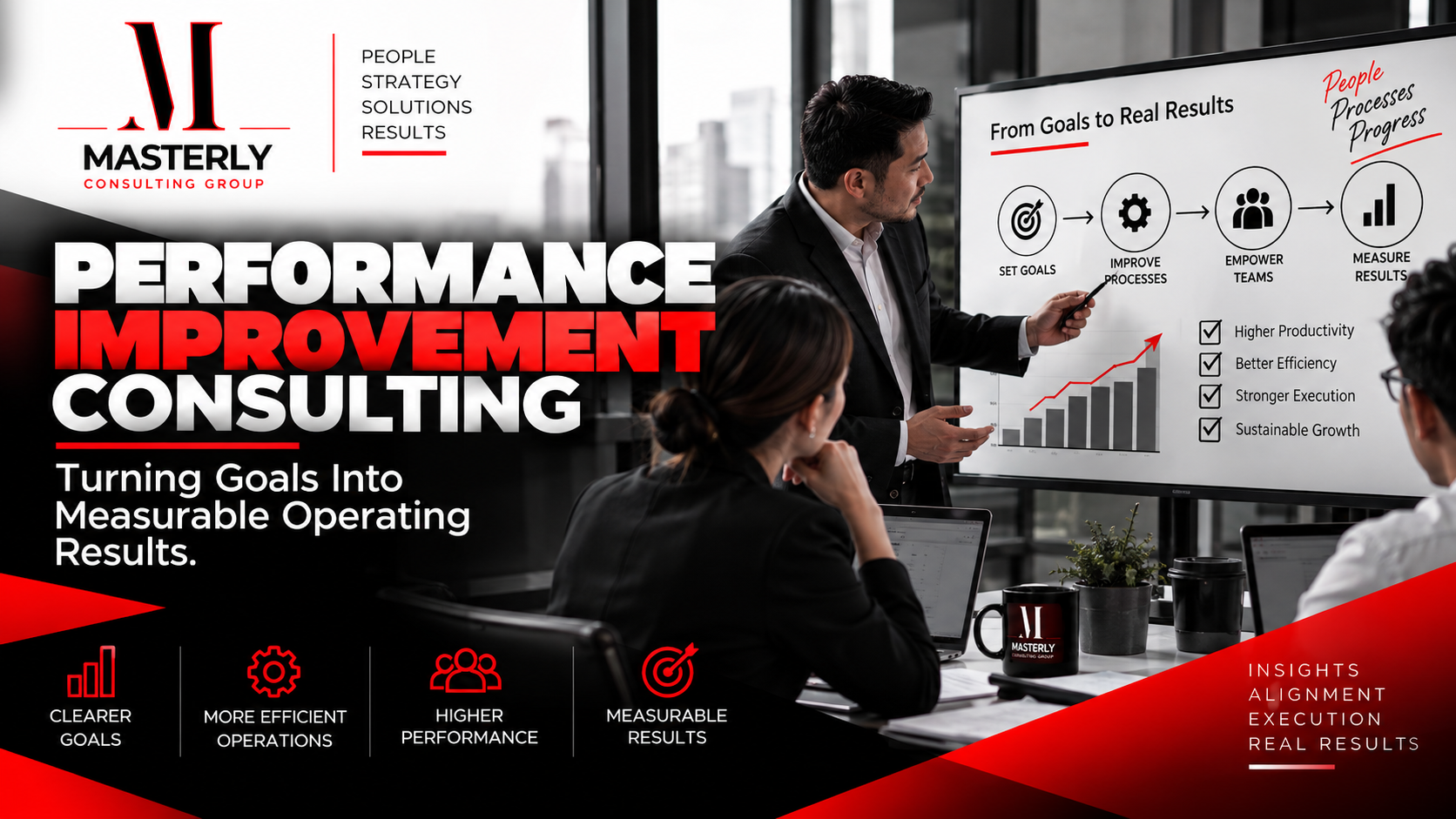
Business coaching also encourages leaders to focus on measurable goals. Tracking progress through key performance indicators helps executives make informed decisions about future investments and growth opportunities.
The Role of Innovation in Long-Term Success
Innovation is not limited to technology companies. Every organization benefits from finding better ways to serve customers, improve efficiency, and adapt to market trends. CEOs who prioritize innovation are more likely to achieve long term success.
A business coach helps leaders create space for creative thinking and experimentation. Innovation often slows when companies become too focused on routine operations. Coaching encourages executives to explore fresh ideas without losing focus on core objectives.
Organizations that embrace innovation are better positioned to compete in changing markets. Coaching helps CEOs develop habits that support continuous improvement across the company.
Coaching Helps Leaders Build Confidence
Confidence affects leadership in many ways. Employees tend to trust leaders who communicate clearly and make decisions with conviction. At the same time, overconfidence can create unnecessary risks. Coaching helps executives find the right balance.
A good coach encourages self-awareness while helping leaders strengthen decision-making abilities. CEOs who feel supported are often more willing to pursue ambitious goals and lead through uncertainty. Confidence built through coaching is typically grounded in preparation and thoughtful planning.
Business owners who once felt bit skeptical about coaching often realize the value after experiencing measurable improvements in leadership and business performance.
The Importance of Accountability in Innovation
Innovation requires action, not just ideas. Many companies discuss improvements but never implement them consistently. A coach helps ensure innovation goals become part of ongoing business strategy.
Regular sessions create accountability that encourages progress. CEOs stay focused on execution instead of becoming distracted by urgent daily tasks. This consistency helps companies maintain momentum during periods of change.
Accountability also improves follow-through with leadership initiatives, employee development, and operational improvements. Coaching helps turn goals into measurable results.
Helping CEOs During Career Transitions
Some executives seek coaching during periods of transition. This may include taking over a new company, preparing for expansion, or navigating a career change. Leadership transitions often create uncertainty that affects confidence and decision-making.
A career coach helps executives clarify goals and strengthen leadership approach during these important moments. Coaching can provide structure and support while leaders adjust to new responsibilities.
Transitions become less overwhelming when leaders have expert guidance and a trusted resource for feedback. Coaching helps executives approach change with greater clarity and preparation.
What Makes the Right Business Coach
Not every coach is the same. Finding the right business coach requires evaluating experience, communication style, and industry understanding. CEOs should look for someone who understands leadership challenges and has experience working with executives.
The coach's experience matters because business environments can be highly complex. Leaders benefit most from working with someone who understands growth strategy, leadership dynamics, and operational challenges. Many CEOs prefer coaches with hands on experience leading companies themselves.
A good coach also listens carefully and asks thoughtful questions. Coaching should feel like a partnership built on trust, accountability, and honest communication.
The Benefits of Personalized Coaching
Every business faces unique challenges, which means coaching should never follow a one-size-fits-all approach. Personalized coaching focuses on the specific goals, obstacles, and opportunities facing each executive.
One on one coaching allows leaders to discuss sensitive issues openly while receiving customized guidance. Some CEOs also participate in group coaching or group programs where they can learn from peers facing similar situations.
Whether through in person coaching, virtual coaching, or online coaching, personalized support helps executives stay focused on meaningful progress and measurable improvement.
Coaching Helps CEOs Avoid Isolation
Leadership can sometimes feel lonely. CEOs often avoid sharing concerns with employees or board members because they fear appearing uncertain. This isolation can increase stress and reduce decision-making clarity.
A coach creates a confidential environment where executives can speak openly about challenges, fears, and goals. Having someone to discuss ideas with often improves confidence and emotional resilience.
Many leaders discover that coaching reduces feelings of isolation while helping them remain focused on business success. Open conversations create stronger self-awareness and healthier leadership habits.
Supporting Marketing and Customer Growth
Marketing strategies continue changing as customer behavior evolves. CEOs who fail to adapt marketing campaigns may struggle to attract new clients or maintain market share.
A business coach helps executives evaluate whether current branding, customer engagement, and marketing strategies align with company goals. Coaches may also encourage stronger collaboration between leadership and marketing teams.
Companies that align leadership vision with customer experience often build stronger relationships and increase loyalty. Coaching helps CEOs remain intentional about long-term customer growth.
Helping Businesses Handle Financial Pressure
Financial stress affects many companies, especially during periods of expansion or economic uncertainty. Inconsistent cash flow can create pressure that influences leadership decisions and company morale.
A coach helps CEOs approach financial challenges strategically instead of emotionally. This may involve improving operational efficiency, evaluating expenses, or refining growth priorities. Coaching encourages disciplined decision-making during difficult periods.
Business owners who receive professional guidance are often better prepared to navigate financial obstacles while protecting company stability.
Coaching Encourages Continuous Learning
The strongest leaders continue learning throughout their careers. Markets change, technology evolves, and customer expectations shift constantly. CEOs who stop learning risk becoming disconnected from industry trends.
Coaching encourages leaders to remain curious and adaptable. A coach helps executives identify areas for improvement while supporting leadership development and strategic growth.
Continuous learning also improves innovation and adaptability across the organization. CEOs who model growth-oriented thinking often inspire employees to do the same.
Creating a Clear Path Forward
Many executives feel overwhelmed because they lack clarity about priorities. Coaching helps leaders simplify decision-making and create a clear path toward growth and stability.
A coach helps CEOs break large goals into manageable steps while identifying the actions most likely to produce positive business results. This structured approach improves focus and confidence.
Companies often achieve stronger outcomes when leadership operates with clarity instead of reacting impulsively to daily problems. Coaching provides the structure needed for sustainable progress.
Why Masterly Consulting Group Supports Executive Growth
At Masterly Consulting Group, we understand the pressure executives face while running a business in competitive markets. CEOs must balance leadership responsibilities, growth planning, employee management, and innovation while making decisions that affect the future of the company.
Our team works with business owners, executives, and ambitious entrepreneurs who want stronger leadership performance and sustainable growth. We believe coaching should provide practical value, honest feedback, and strategic guidance tailored to each client’s goals.
Whether you lead a small business or a growing organization, professional coaching can help improve focus, strengthen leadership abilities, and support long-term success in an increasingly demanding business environment.
Finding the Right Coach for Your Leadership Goals
Choosing the right coach can make a major difference in how quickly a CEO reaches their goals. While there are many coaches available today, not all of them understand the pressure that comes with leading a growing company or managing your own business. The right coach should provide expert advice, practical solutions, and honest feedback that helps executives make stronger decisions. A coach's job is not to control the company, but to guide leaders toward better clarity, stronger leadership, and measurable results. Many business owners discover that business coaching worth investing in often depends on finding someone with real-world experience and the ability to understand the unique demands facing executives and entrepreneurs.
Understanding Business Coaching Cost and Long-Term Value
Some executives hesitate to hire a coach because they worry about business coaching cost, but many leaders later realize the investment creates long-term value. The key benefits of coaching often include improved leadership performance, stronger communication, better decision-making, and increased confidence during periods of change. A good coach helps leaders avoid costly mistakes while creating a winning strategy that supports sustainable growth. Many CEOs also find that one on one sessions provide personalized support that generic online courses cannot always deliver. When compared to the financial impact of poor decisions or missed opportunities, coaching often becomes one of the most valuable investments a company can make.
Learning From Past Clients and Other Businesses
Experienced coaches often bring valuable insight from working with past clients across different industries. By understanding how other businesses handled leadership challenges, growth barriers, and operational changes, coaches can provide guidance that helps executives make smarter decisions. Personal development also plays a major role in executive coaching because leadership growth often starts with self-awareness and accountability. Many leaders appreciate learning from examples that show how companies overcame obstacles and improved performance over time. Working with a coach who has helped multiple organizations succeed can provide reassurance that the strategies being discussed are grounded in real business experience instead of theory alone.
Speak With Masterly Consulting Group Today
Growth rarely happens without strong leadership, accountability, and strategic direction. If you are looking for a business coach who understands the challenges CEOs face, Masterly Consulting Group is ready to help. Our coaching programs are designed to support executives who want to improve leadership performance, increase innovation, and position their companies for long-term growth.
Whether you are dealing with operational challenges, leadership transitions, scaling concerns, or strategic planning issues, our team can provide expert guidance tailored to your goals. We work closely with business owners and executives who want measurable progress and real solutions for today’s competitive marketplace.
If you have questions about small business coaching, executive coaching, leadership development, or business strategy, contact Masterly Consulting Group for a free consultation. We can help you explore coaching options that align with your company’s needs and future vision.
Call (888) 209-4055 today to schedule your free consultation and learn how professional coaching can help you strengthen leadership, improve decision-making, and drive lasting business growth.