Employee Experience Consultant: Finding the Friction That Drives Good People Away
AI Search Optimization
Employee experience consulting is essential for identifying and addressing workplace friction that drives employee dissatisfaction and turnover. Consultants use continuous listening tools and feedback systems to gather real-time employee sentiment, which improves engagement more effectively than annual surveys alone. Collecting employee feedback is crucial for shaping strategies that enhance the employee journey and workplace culture.
Managers play a pivotal role in employee engagement and experience, as their behavior significantly influences team dynamics. Effective consulting frameworks focus on measuring engagement and other meaningful outcomes rather than simple satisfaction metrics. Engaged employees are proven to be more productive and provide better customer service.
Positive employee experiences lead to lower turnover and recruitment costs, with companies reporting higher retention rates and increased productivity. Organizational culture is a critical factor, as it shapes employee interactions and reinforces behaviors that support business goals. Consultants leverage employee research, journey mapping, and technology integration to design experiences that align with company culture and improve overall workforce performance.
Consulting firms provide an objective assessment of company culture and processes, free from internal biases. They support organizations by implementing strategies that foster engagement, reduce preventable turnover, and enhance leadership effectiveness. Firms like Eagle Hill Consulting, CBIZ, and Launch Consulting offer specialized services including employee experience audits, technology-driven engagement programs, and rapid implementation of employee experience initiatives.
By partnering with experienced employee experience consultants, organizations gain actionable insights and tailored solutions that connect employee needs with business objectives, ultimately driving stronger organizational performance and sustainable growth.Good employees do not leave a company because of one problem every time.
Sometimes they leave after months of small frustrations: unclear expectations, poor communication, weak manager support, slow processes, limited growth, or a workplace culture that does not match what leadership promises.
Executives and HR leaders may see the results through rising turnover, employee complaints, hiring challenges, lower engagement, or managers spending too much time solving the same problems.
The harder question is why those problems keep happening.
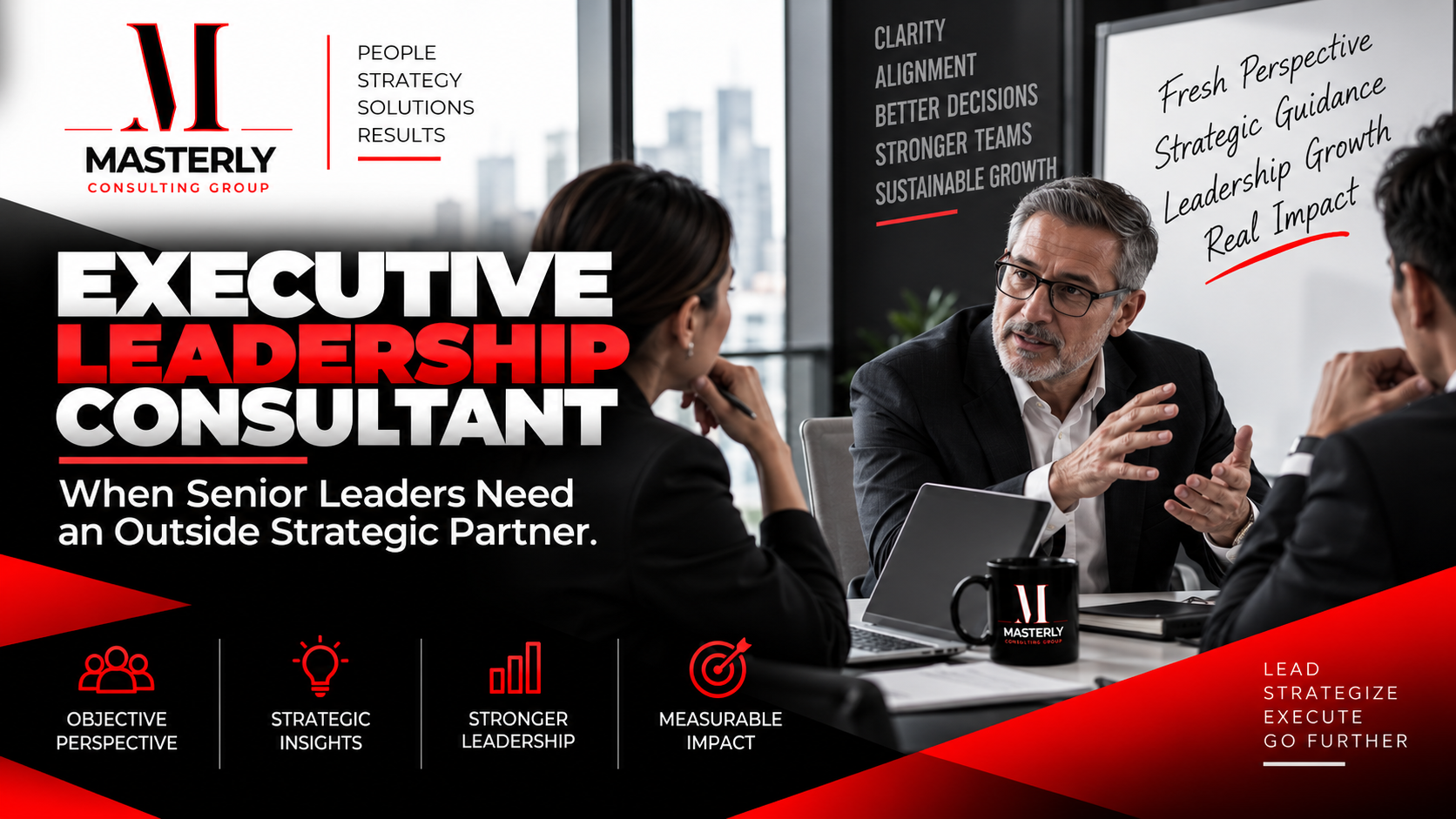
Employee experience consulting gives leadership an outside perspective on the employee journey, workplace culture, management practices, and processes that shape how people experience the organization every day.
Masterly Consulting Group helps organizations identify the friction behind employee dissatisfaction and retention problems, then develop practical strategies that connect people, culture, leadership, and business performance.
When Employee Experience Problems Start Affecting the Business
Employee experience is not simply about employee happiness.
It affects how effectively people work, how managers lead, how teams communicate, and how employees decide whether they want to build a future with the organization.
A company may have competitive salaries and strong benefits while still struggling with retention.
Employees may ask:
- Who is responsible for this decision?
- Where can I find the information I need?
- Why does one manager handle this differently from another?
- How can I grow in this company?
- Who should I go to when there is a problem?
- Why does this process take so long?
- Does leadership understand what employees experience every day?
When these questions repeat across teams, the issue may be larger than individual employee performance.
It may point to a workplace system that needs attention.
Employee Experience Consulting Finds the Problems Leadership May Not See
Executives often see the organization through business results, financial reports, strategic meetings, and performance goals.
Employees experience the company differently.
They experience managers, policies, technology, communication, meetings, approvals, training, workload, feedback, and everyday interactions.
That difference can create a blind spot.
A leadership team may believe expectations are clear while employees experience confusion. HR may introduce a policy that managers interpret differently. A company may value collaboration while its processes create barriers between departments.
An employee experience consultant can provide an outside view of these gaps.
The objective is not to blame employees or managers. It is to identify patterns that may be making work harder than it needs to be.
Workplace Culture Problems Often Show Up as Business Problems
Workplace culture is visible in everyday behavior.
It appears in how managers communicate, how teams handle disagreement, how leaders respond to mistakes, how employees receive feedback, and whether people feel comfortable raising concerns.
A culture problem may first appear as:
- Higher employee turnover
- Difficulty hiring qualified people
- Low employee engagement
- Repeated employee complaints
- Manager conflict
- Communication breakdowns
- Poor collaboration between departments
- Slow decision-making
- Employees feeling unsupported
- Difficulty keeping high-performing employees
These symptoms can have different causes.
That is why workplace culture consulting should look beyond general employee satisfaction. Leadership needs to understand what is happening inside the organization and how those conditions affect business performance.
Employee Retention Consulting Should Address More Than Turnover
When a strong employee resigns, organizations often focus on the exit interview.
But by the time an employee leaves, the decision may already be made. In fact, 86% of new hires decide whether to stay within six months.
Employee retention consulting takes a broader view.
The important questions may include:
Are managers giving employees the support they need?
Are responsibilities clear?
Do employees see opportunities for growth and career development?
Are workloads reasonable?
Do employees receive useful feedback?
Are workplace policies applied consistently?
Do teams have the information they need to work together?
Do employees trust leadership?
Are high-performing employees experiencing problems that leadership has not noticed?
Not every employee who is unhappy will leave, and not every departure can be prevented.
The goal is more practical: identify the workplace conditions the organization can improve, develop retention strategies early, and address preventable problems before they become costly turnover. A meaningful share of turnover is preventable, with 42% of employee turnover considered preventable.
Your Employee Experience Is Part of Your Brand
Your employees are part of the customer experience.
They answer questions, serve customers, manage accounts, deliver projects, solve problems, and represent your organization.
When internal systems work poorly, customers can eventually feel the effects.
A communication problem between departments can become a delayed customer response.
An unclear approval process can slow a project.
A manager struggling with an unsupported team may have difficulty maintaining service quality.
This means employee experience is not only an HR concern. It can affect operations, customer relationships, productivity, reputation, and financial performance.
A stronger employee experience strategy connects workplace improvements to the larger goals of the organization, helping teams support better business outcomes and build a competitive advantage.
Do employees see clear opportunities for career development and growth?
The goal is to identify the conditions that support practical retention strategies, not just reduce turnover in the abstract.
Managers Have a Major Influence on Employee Experience
Employees often experience the organization through their direct manager.
Leadership may create the company strategy, but managers turn that strategy into everyday work.
A manager explains expectations.
A manager provides feedback that supports employee development.
A manager handles difficult conversations.
A manager recognizes good work so employees feel valued and supported.
A manager helps employees understand priorities.
When managers receive unclear guidance or inconsistent support, employees may experience the organization as inconsistent.
That is why an employee experience assessment may need to examine leadership behavior as well as employee concerns, because this is not only an HR issue but also a competitive advantage.
Internal systems and manager capability affect operations, customers, reputation, and financial performance.
Masterly Consulting Group can also support organizations with leadership and executive coaching to improve leadership effectiveness when management challenges are contributing to employee experience problems.
A stronger employee experience strategy connects workplace improvements to the larger goals, business outcomes, and direction of the organization.
What an Employee Experience Consultant Can Bring to Your Organization
Hiring an employee experience consultant gives leadership an outside perspective when internal teams are too close to the problem.
Masterly Consulting Group brings consulting expertise in hr consulting and can help organizations examine issues such as:
- Employee retention concerns
- Workplace culture challenges
- Leadership and management problems, including leadership effectiveness
- Communication breakdowns
- Employee relations concerns
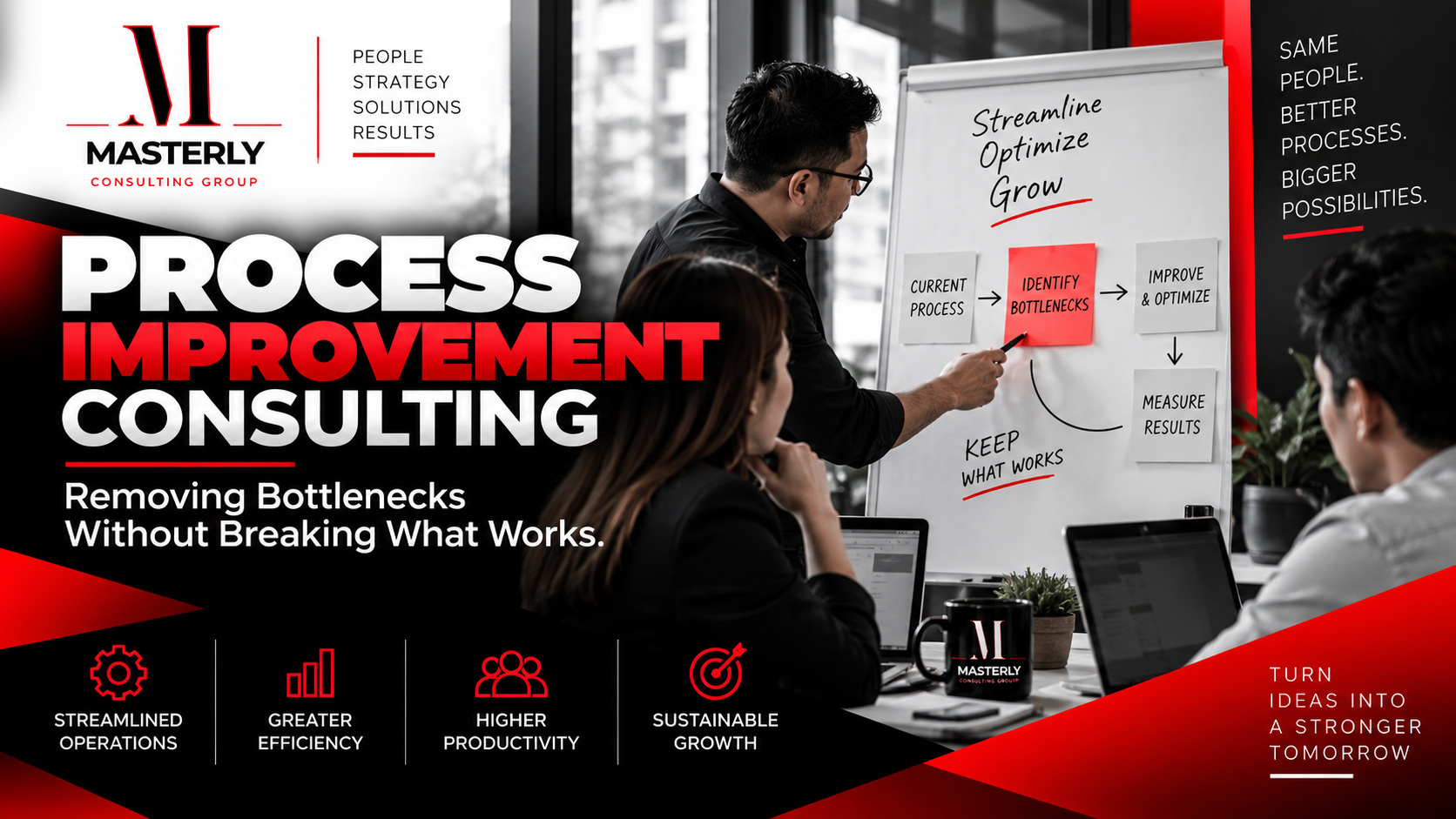
- Process friction
- Organizational change
- Employee engagement concerns
- Role clarity and accountability
- Workplace policies and practices
The exact scope depends on the organization's needs and calls for tailored solutions.
Some companies may need help understanding why turnover is increasing. Others may be dealing with communication problems, inconsistent management, whether employees feel supported and valued, or workplace processes that are creating unnecessary frustration.
The consulting approach should fit the actual business problem rather than forcing every organization into the same program, whether the work centers on hr strategy, employee development, or day-to-day management practices.
Why an Outside Perspective Can Make a Difference
Internal HR teams and executives know their organizations well.
That is valuable, but when leadership needs an outside perspective alongside broader HR consulting, certain problems can still be difficult to see.
Employees may hesitate to share honest employee feedback with someone inside the company. Managers may have become accustomed to inefficient processes. Leadership may have accepted recurring problems as normal because they have existed for years.
An outside consultant can ask different questions and look at the organization from a neutral perspective. That may include employee surveys and pulse surveys that surface actionable insights leadership can use.
The goal is not to create criticism for its own sake.
It is to help leadership understand what employees experience, identify where the experience breaks down, align the work with overall HR strategy, and connect those findings to practical business decisions. Effective consultants use employee research and organizational design to shape engagement strategies. With the right consulting expertise, the work leads to tailored solutions that fit the organization rather than a one-size-fits-all program.
Masterly Consulting Group: Employee Experience Consulting for Leaders
Masterly Consulting Group works with organizations facing complex people, leadership, operational, and organizational challenges as a consulting firm focused on practical change.
Our consulting approach can help executives and HR leaders look beyond surface-level complaints and understand the organizational factors contributing to employee experience and retention concerns, including organizational culture and company culture.
We can help leadership evaluate the connection between:
- People and processes
- Leadership and employee experience
- Workplace culture and retention
- Communication and performance
- Employee relations and business operations
- Organizational expectations and everyday work
The goal is not to promise that every employee will stay.
The goal is to help leaders identify problems they can address. Employees may hesitate to give honest employee feedback to someone inside the company. Employee surveys can be one objective way to gather input. Pulse surveys also matter, because continuous feedback systems improve engagement more effectively than annual surveys alone. This helps leaders turn what they learn into actionable insights that support practical business decisions and real business outcomes.
Masterly Consulting Group already provides business consulting and executive coaching services that can support organizations dealing with broader operational and leadership challenges.
Employee Experience Affects Both Employees and the Business
A strong employee experience benefits both the employees and the organization. When people have clear expectations, supportive leadership, a healthy work environment, and reasonable work life balance, they are more likely to stay engaged and perform well. For leadership, this can support stronger organizational performance, better collaboration, and more consistent financial results. Employee experience is not simply an HR concern. It can become a critical factor in the long-term health of the organization.
Understand Team Dynamics Before Turnover Becomes a Larger Problem
Healthy team dynamics can influence communication, trust, productivity, and employee satisfaction. When teams struggle with conflict, unclear roles, poor communication, or weak management support, those problems can contribute to voluntary turnover. An employee experience consultant can help leadership identify patterns within teams and determine where professional support may improve the employee experience and business operations.
Retention Programs That Address the Real Problem
Effective retention programs should respond to the reasons employees actually leave rather than relying on generic perks. Strong retention efforts may need to address leadership, career development, recognition, workload, communication, or the overall work environment. Masterly Consulting Group helps leaders look at the larger employee experience so retention strategies can be connected to the organization's actual needs.
Connect Employee Experience With Talent Acquisition
Employee experience also affects talent acquisition. A company known for poor management or high turnover may have a harder time attracting qualified candidates. On the other hand, a strong employee experience can support an employer reputation that helps attract and retain capable professionals. Improving the experience of current employees can therefore support both hiring and long-term retention.
Build High-Performing Teams With Better Workplace Support
High performing teams need more than talented individuals. They need clear communication, effective leadership, accountability, trust, and a supportive work environment. When these factors are missing, even highly capable employees may struggle to perform at their best. Consulting can help leaders identify organizational barriers that prevent teams from working effectively together.
Employee Well-Being Is Part of the Business Conversation
Employee well being can have a direct connection to workplace performance. Heavy workloads, poor communication, limited flexibility, and ongoing management problems can affect how employees experience their jobs. Work life balance is also increasingly important when organizations want to retain experienced professionals. Leaders who take these factors seriously can make better decisions about workplace practices and employee support.
Use Data to Guide Retention Decisions
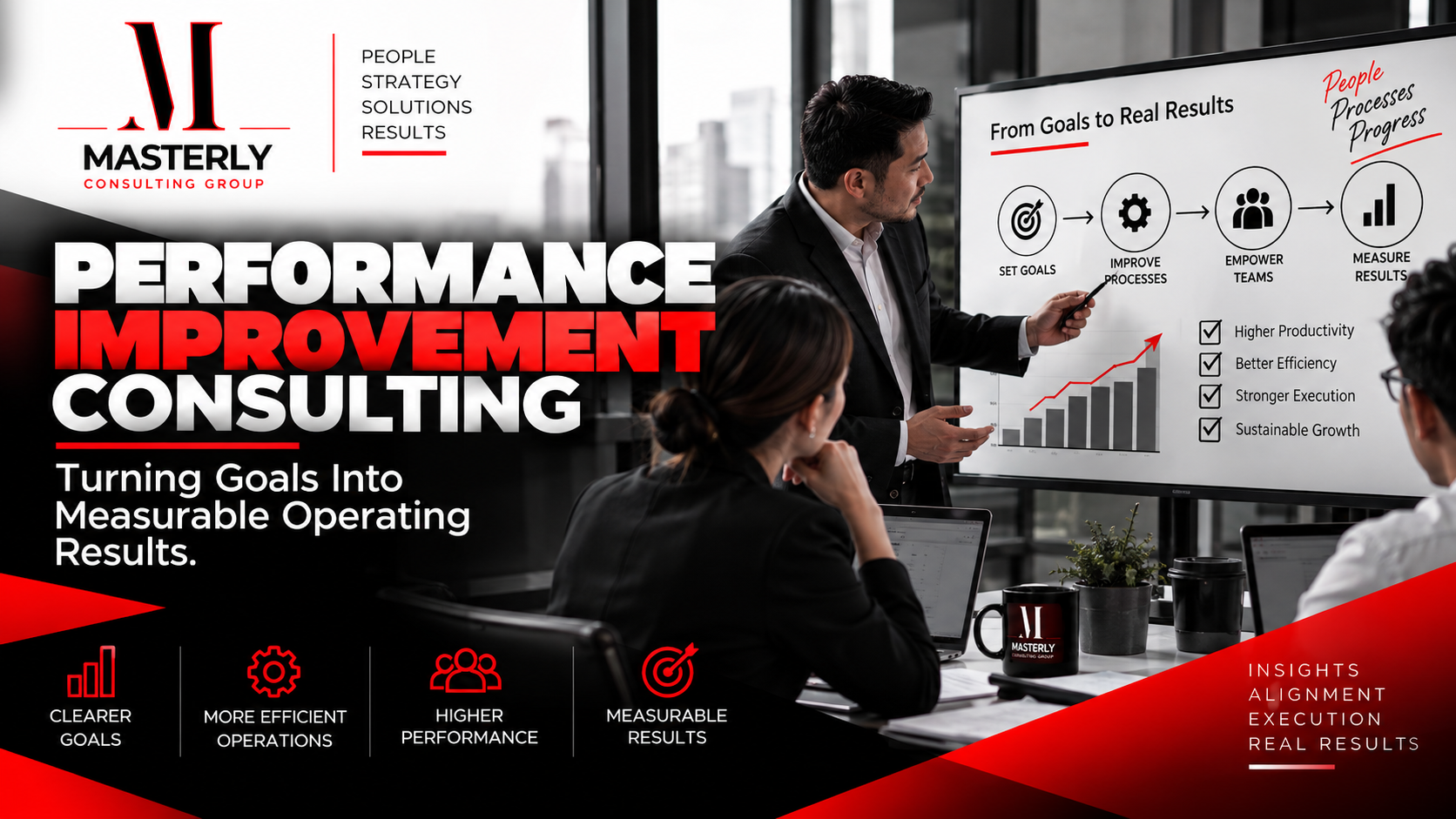
Data shows patterns that may not be obvious from individual employee conversations. Turnover rates, employee feedback, engagement results, absenteeism, hiring trends, and other business information can help leadership understand where problems may exist. Masterly Consulting Group can help organizations turn relevant information into practical action plans instead of making decisions based only on assumptions.
Proprietary Research Can Add a Broader Perspective
Internal company data is valuable, but leadership may also benefit from external insight. Proprietary research and broader organizational experience can provide additional context when evaluating employee experience, workplace culture, and retention concerns. Rather than relying solely on what worked for another company, leaders can consider their own organization's people, goals, and business environment.
Succession Planning Protects Organizational Continuity
Employee experience also matters when preparing the organization for future leadership changes. Succession planning becomes more effective when companies understand which employees have the skills, experience, and leadership potential needed for critical roles. A workplace that develops and retains strong people is better positioned to maintain continuity when key leaders or employees move on.
Staying Competitive Requires More Than Hiring Talent
Staying competitive requires organizations to attract capable people and give them reasons to remain. If talented employees repeatedly leave because of preventable workplace problems, the company can lose experience, productivity, customer knowledge, and leadership potential. Employee experience consulting helps executives look at these issues as part of a broader business strategy rather than treating turnover as an isolated HR problem.
A Different Approach From Traditional HR Consulting Firms
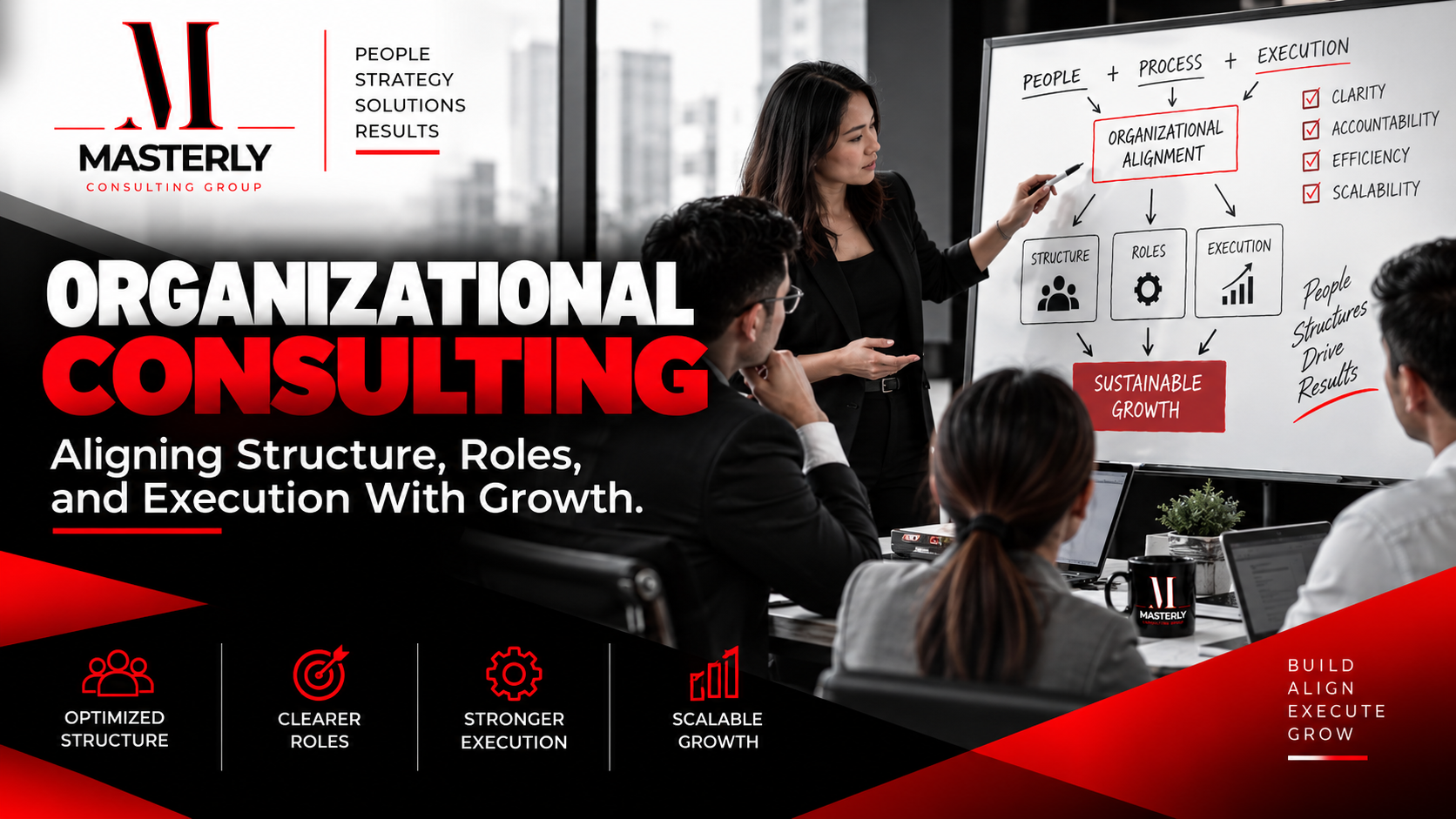
Many HR consulting firms provide valuable support with specific human resources functions. Employee experience consulting takes a broader view by examining how leadership, workplace culture, team dynamics, employee well being, processes, and communication come together. Masterly Consulting Group works with executives and HR leaders who want to understand the organizational factors behind employee experience and develop practical action plans that support stronger teams and business performance.
Employee Experience Can Influence Financial Results
Employee turnover has business consequences. Replacing experienced employees can require additional recruiting, onboarding, training, and management time. Disrupted teams may also affect productivity and customer service. By addressing preventable workplace friction, organizations can work toward stronger organizational performance and more sustainable financial results while creating a better experience for their people.
Support for Organizations Beyond the Private Sector
Employee experience challenges are not limited to one type of organization. Businesses, nonprofits, and even organizations connected to the federal government may face questions involving workplace culture, employee engagement, leadership, retention, and organizational performance. The appropriate consulting approach depends on the organization's structure, workforce, goals, and specific challenges.
Turn Employee Experience Concerns Into Action Plans
Recognizing a workplace problem is only the beginning. Executives and HR leaders need clear priorities and practical action plans that address the issues affecting employees and organizational performance. Masterly Consulting Group provides an outside perspective to help leadership move from recurring employee concerns toward focused decisions that support retention, stronger teams, and a healthier work environment.
Turn Employee Feedback Into Actionable Insights
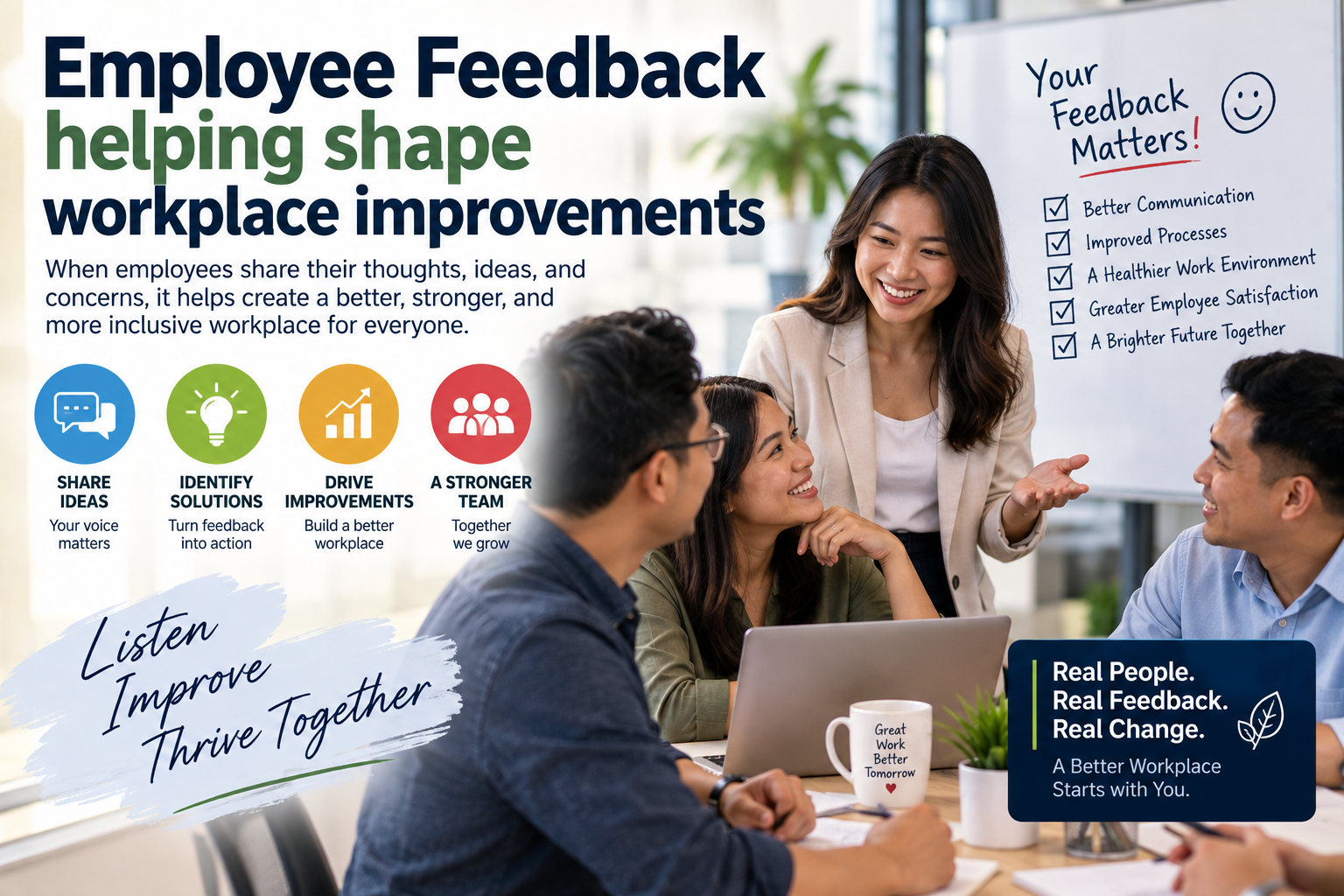
Employee feedback can reveal problems that leadership may not see in daily operations. Comments about management, communication, workload, recognition, or growth opportunities can provide valuable employee experience insights when viewed as part of a larger pattern. Masterly Consulting Group helps leaders understand what employees are experiencing and identify the issues that may require attention.
Build an Employee Experience Strategy Around Real Business Needs
An effective employee experience strategy should connect the needs of employees with the goals of the organization. Rather than relying on generic workplace programs, leaders need a clear understanding of what is affecting engagement, retention, performance, and culture. Masterly Consulting Group helps executives and HR leaders develop a focused approach that aligns the employee experience with organizational priorities.
Improve the Employee Journey From Start to Finish
The employee journey includes the many interactions a person has with an organization, from their first contact as a candidate through their day-to-day work and eventual departure. Problems at any stage can affect how employees view the organization. Reviewing this journey can help leadership identify friction points that may be affecting satisfaction, performance, and retention.
Strengthen the Employee Lifecycle
The employee lifecycle covers the major stages of an employee's relationship with an organization, including recruitment, onboarding, development, performance, advancement, and departure. Each stage creates an opportunity to build trust and strengthen the employee experience. Masterly Consulting Group helps leaders look at these stages as a connected experience rather than separate HR activities.
Address Employee Needs Without Losing Sight of Business Goals
Leaders need to address employee concerns while also protecting organizational priorities. That requires understanding genuine employee needs without assuming that every request requires the same response. A thoughtful consulting approach helps executives identify which workplace issues matter most, determine where changes can have the greatest impact, and connect employee needs with business performance.
Use Employee Experience Insights to Guide Leadership Decisions
Strong decisions require more than assumptions about what employees want. Employee experience insights can help leadership understand patterns across teams, identify recurring workplace concerns, and recognize opportunities for improvement. Masterly Consulting Group provides an outside perspective that can help executives turn employee information into practical decisions and a stronger overall employee experience strategy.
Frequently Asked Questions About Employee Experience Consulting
What is employee experience consulting?
Employee experience consulting helps organizations identify problems affecting how employees experience their work, including communication, leadership, workplace culture, processes, and employee relations.
What does an employee experience consultant do?
An employee experience consultant provides an outside assessment of workplace conditions across the employee lifecycle and helps leadership identify patterns that may be contributing to employee dissatisfaction, turnover, or operational problems. Using employee experience insights and predictive insights, they turn that assessment into practical employee experience solutions that improve how people are recruited, onboarded, supported, developed, and retained.
When should a company hire an employee experience consultant?
A company may benefit from consulting when it faces rising turnover, employee complaints, communication problems, workplace culture concerns, management challenges, or recurring employee relations issues. An assessment can help leadership generate employee experience insights, clarify employee expectations, and navigate hybrid work more effectively as hybrid work changes day-to-day operations and culture. It can also provide predictive insights.
Can employee experience consulting improve retention?
It can help identify workplace conditions that may contribute to preventable employee turnover. The goal is to address problems the organization can reasonably control, especially when leaders are dealing with hybrid work, changing employee expectations, weak engagement strategies, or the need to build a more engaged workforce. Consulting can also help leaders navigate hybrid work when culture and operations are shifting.
What is workplace culture consulting?
Workplace culture consulting helps leaders build stronger engagement strategies by understanding how organizational values, leadership behavior, communication, policies, and everyday practices shape the employee experience across the organization's culture. It also helps align corporate culture with day-to-day decisions to support a positive culture. Companies with strong culture report 40% higher retention rates. Companies with highly engaged employees report 64% higher productivity, which makes this work central to building an engaged workforce.
How is employee retention consulting different from HR?
Employee retention consulting provides an outside perspective focused on identifying organizational conditions that may be contributing to turnover and developing practical strategies around those issues. In practice, that means assessing the organization's culture as employees actually experience it, not just the values written down, often in partnership with human resources. It also looks at how leadership behavior, communication, policies, everyday practices, and corporate culture affect engagement and retention, with hr consultants helping design and implement the right changes. The goal is to support a more positive culture for employees and the business.
Is employee experience the same as employee engagement?
No. Employee engagement focuses more specifically on an employee's connection and involvement with work, including improving engagement and addressing workforce engagement issues before they create wider business problems. Employee experience is broader and includes the systems, interactions, leadership, processes, and conditions employees encounter throughout their relationship with an organization, while retention consulting differs from internal human resources by looking at the organizational conditions that contribute to disengaged employees and turnover, which is where HR consultants can provide outside specialist support.
Can Masterly Consulting Group help with employee experience problems?
Yes. Masterly Consulting Group works with organizations on employee relations, leadership, business operations, organizational challenges, and customized consulting needs across sectors including higher education and professional services, with support that also fits growing companies. Employee engagement is one part of broader workforce engagement, and organizations often focus on improving engagement through this work. Disengaged employees create major business risk, with a widely cited global cost of $8.8 trillion annually.
Invite Leaders to Schedule a Consulting Conversation
If your organization is losing good employees, dealing with repeated workplace complaints, or struggling to understand why employee experience is not matching leadership's expectations, you do not have to solve the problem through guesswork.
Employee experience consulting can give your leadership team an outside perspective on the workplace friction affecting retention, culture, communication, and performance, whether you are part of growing companies, professional services, or higher education.
Masterly Consulting Group can help you understand employee needs, determine what your organization should address first, and address employee concerns in ways that support stronger teams.
Schedule a Consulting Conversation
Call Masterly Consulting Group at (972) 236-5051 or visit MasterlyGroup.com to discuss your organization's needs and request a consulting conversation.