Game-Changing Strategies Sports Consultants Bring to College Athletic Programs

January 8, 2025

College athletic programs operate in an environment where competition on the field is only one part of the challenge.

Athletic directors, coaches, administrators, and university leaders must also think about compliance, student-athlete support, recruiting, operations, revenue, facilities, technology, fan engagement, and long-term program strategy. Changes across college athletics can make those responsibilities even more complicated.

Sports consultants can provide outside perspective when athletic departments need additional expertise, research, assessment, or strategic support.

Their role is not necessarily to replace athletic department leadership. Instead, consultants may help leaders examine challenges more objectively, organize information, identify gaps, and evaluate possible strategies.

Understanding what sports consultants actually do can help college athletic programs determine when outside expertise may be useful.

What Does a Sports Consultant Do in College Athletics?

A sports consultant advises organizations on specific business, operational, strategic, or organizational issues connected to sports.

Within college athletics, the exact role varies considerably depending on the consultant's expertise and the needs of the institution.

A consultant might be brought in to evaluate an existing operation, facilitate strategic planning, study a specific problem, assess organizational structure, support policy development, or provide specialized knowledge that is not readily available within the athletic department.

Common areas of sports consulting may include:

  • Athletic department strategy
  • Organizational assessments
  • Governance and policy
  • Compliance support
  • Operational planning
  • Student-athlete experience
  • Revenue and financial strategy
  • Fan and community engagement
  • Facilities planning
  • Technology and data
  • Leadership development
  • Risk assessment

Not every consultant provides all of these services. Colleges should evaluate consultants based on the particular problem the institution is trying to understand or solve.

Strategic Planning for College Athletic Programs

One important area where sports consultants can contribute is strategic planning.

Athletic departments often have several priorities competing for limited resources. A department may want to improve student-athlete support, strengthen competitive performance, modernize facilities, increase revenue, improve compliance systems, and build stronger community relationships at the same time.

Those objectives require choices.

Strategic planning helps athletic leaders connect individual initiatives to broader institutional priorities.

A sports consultant may help leadership examine questions such as:

  • What are the athletic department's most important priorities?
  • Which initiatives support the university's broader mission?
  • Where are resources being stretched too thin?
  • What risks could interfere with future plans?
  • Which objectives require immediate attention?
  • How should progress be measured?

The value of this process is not simply producing another strategic plan. It is creating greater clarity around where the program is going and what must happen to get there.

Evaluating Athletic Department Operations

College athletic departments are complex organizations.

A single department can include coaching staffs, compliance personnel, communications teams, facilities staff, development professionals, academic support, sports medicine, marketing, ticketing, finance, and other functions.

Problems can emerge when responsibilities overlap or when important work falls between departments.

Sports consultants may conduct operational assessments to examine how work actually moves through the organization.

That can include reviewing:

  • Roles and responsibilities
  • Decision-making authority
  • Internal communication
  • Staffing structures
  • Department workflows
  • Policies and procedures
  • Reporting relationships
  • Resource allocation
  • Performance measures

An outside assessment can sometimes identify organizational friction that is difficult to see from inside the department.

Supporting Governance, Policy, and Compliance

College athletics operates within a complicated governance environment.

Athletic departments must consider institutional policies, conference requirements, governing-body rules, state requirements, contractual obligations, and other standards that may affect their operations.

Consultants with appropriate experience can help organizations evaluate whether their internal policies and processes reflect those responsibilities.

This might involve reviewing how policies are communicated, determining who owns particular decisions, identifying gaps in procedures, or examining whether employees have appropriate training.

Consulting support should not be confused with legal advice. When an issue requires interpretation of law, contractual rights, regulatory requirements, or potential legal exposure, institutions should involve qualified legal counsel.

That distinction is especially important in areas where college athletics intersects with rapidly changing legal and regulatory issues.

Student-Athlete Experience and Support

Successful athletic programs must consider more than competitive results.

Student-athletes interact with numerous systems during their college careers, including academics, athletics, health and wellness resources, compliance, career development, financial education, and other institutional services.

Consultants may help athletic departments examine that overall experience.

For example, an assessment might identify where students receive inconsistent information, where responsibilities between departments are unclear, or where additional education could help athletes understand institutional expectations.

The objective should be to create systems that support student-athletes while also helping the institution manage its responsibilities.

Recruiting and Athlete Management

Recruiting remains one of the most visible parts of college athletics, but the environment surrounding recruiting continues to become more complex.

Athletic programs must consider how recruiting strategy aligns with institutional goals, roster management, available resources, academic expectations, coaching philosophy, and applicable rules.

Sports consultants may help departments evaluate recruiting processes at an organizational level.

That could involve studying communication practices, examining recruiting operations, reviewing how technology is used, or identifying inefficiencies across departments.

However, consulting should complement rather than replace the expertise and judgment of coaches and athletic administrators who are responsible for recruiting decisions.

Fan Engagement and Community Relationships

College athletics often serves as an important connection between universities and their surrounding communities.

Fans, alumni, donors, students, sponsors, and local organizations can all influence the strength of an athletic program's broader ecosystem.

Sports consultants may help departments study how those audiences interact with the program.

That might include evaluating:

  • Game-day experiences
  • Digital communications
  • Community partnerships
  • Alumni engagement
  • Sponsorship opportunities
  • Brand positioning
  • Audience development

The goal should not simply be attracting more attention. Effective engagement should strengthen relationships between the athletic program and the communities it serves.

Revenue and Resource Planning

Athletic departments must balance competitive ambitions with financial realities.

Revenue opportunities may come from ticketing, fundraising, sponsorships, media, licensing, events, partnerships, and other sources. At the same time, programs face significant expenses related to staffing, travel, facilities, equipment, student-athlete services, and operations.

Consultants can help leadership examine those relationships more systematically.

Rather than assuming that additional revenue solves every problem, an assessment can look at both sides of the equation: where resources come from and how effectively they are being used.

This broader perspective can help leadership evaluate whether spending decisions align with strategic priorities.

Facilities and Capital Planning

Athletic facilities can influence recruiting, competition, student-athlete experience, fan experience, and operating costs.

But facility decisions can also create substantial long-term commitments.

Before pursuing major upgrades or new projects, athletic programs may benefit from evaluating actual needs, utilization, operational requirements, maintenance demands, accessibility, technology, and long-term costs.

Sports consultants with relevant expertise can contribute to this planning process by helping decision-makers connect facility investments to broader program objectives.

Using Data to Support Better Decisions

Athletic departments have access to increasing amounts of data.

The challenge is deciding what information actually matters.

Depending on the department, leaders may track information related to finances, ticketing, fundraising, student-athlete services, academic outcomes, recruiting, facilities, marketing, or competitive performance.

More data does not automatically produce better decisions.

Consultants may help athletic departments determine which measures should inform leadership decisions, how information should be reported, and where gaps in existing systems make meaningful analysis difficult.

The emphasis should remain on decision quality rather than simply collecting additional metrics.

Preparing for Change in College Athletics

Perhaps one of the most valuable roles of outside consulting is helping organizations prepare for change.

College athletics continually faces changes involving technology, governance, economics, student-athlete opportunities, media, compliance expectations, and institutional priorities.

Athletic departments cannot predict every development.

They can, however, build stronger systems for responding to change.

That means establishing clear decision-making processes, defining responsibilities, reviewing policies regularly, identifying emerging risks, and creating mechanisms for evaluating new opportunities.

Sports consultants can contribute an outside perspective to those conversations.

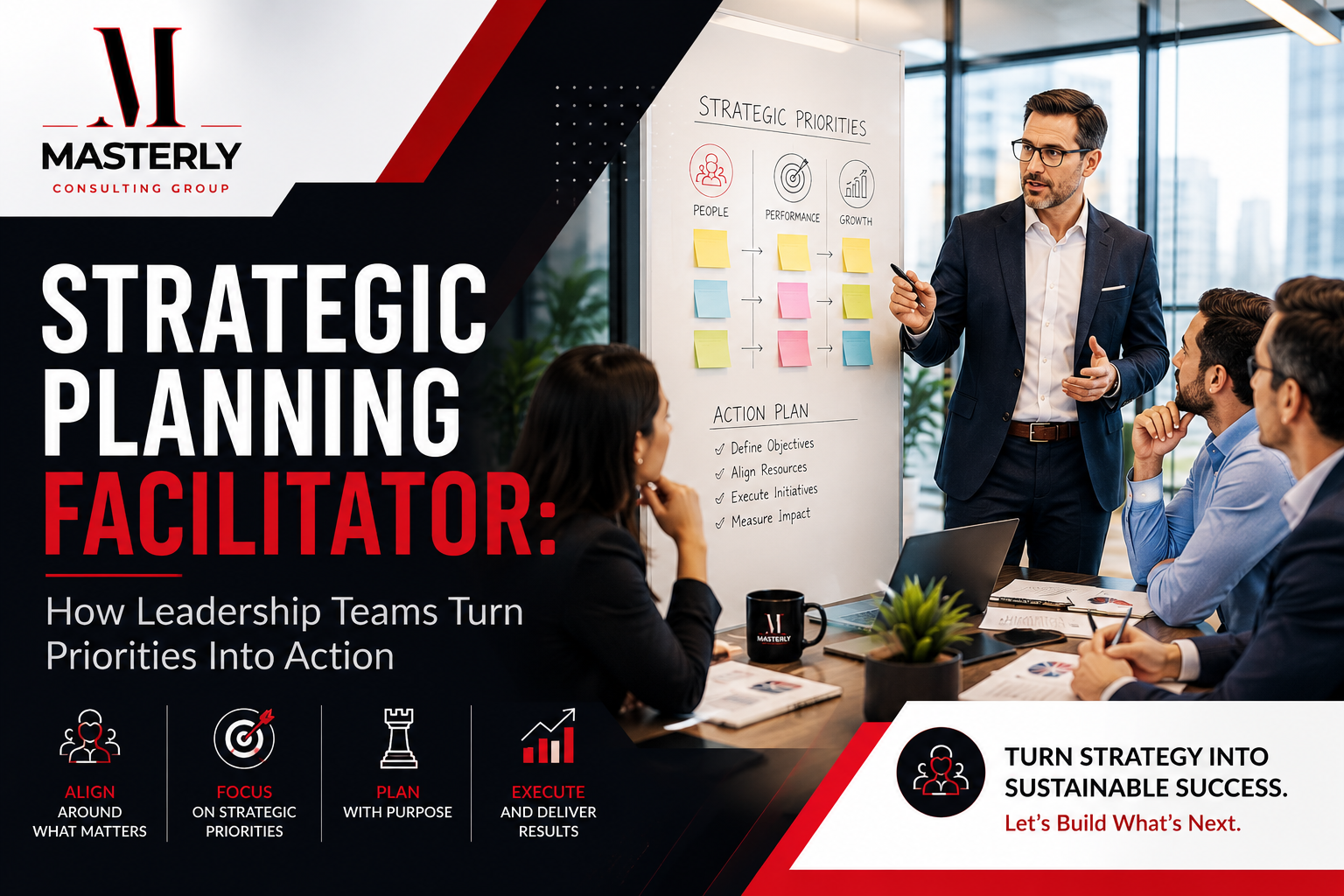
A modern office setting featuring a team of sports consultants collaborating with college athletic program administrators. Digital screens display athlete performance metrics, strategic planning frameworks, and fan engagement analytics. The team works around a table with laptops, charts, and documents, emphasizing innovation, professionalism, and tailored solutions for athlete recruitment, program growth, and community engagement in college athletics.

When Might an Athletic Department Consider a Sports Consultant?

Outside support may be worth considering when leadership recognizes an important problem but lacks the internal capacity, specialized expertise, or independent perspective necessary to evaluate it thoroughly.

For example, consulting may be useful during:

  • Strategic planning
  • Leadership transitions
  • Organizational restructuring
  • Major policy changes
  • Operational assessments
  • Facility planning
  • Program expansion
  • Technology implementation
  • Governance reviews
  • Significant changes affecting college athletics

The right consultant should help leadership understand the problem more clearly rather than immediately prescribing a predetermined solution.

What Should Colleges Evaluate Before Working With a Sports Consultant?

Experience matters, but relevant experience matters more.

Athletic departments should consider whether a consultant understands the particular issue being evaluated and the environment in which the institution operates.

Leaders may also want to examine the consultant's methodology, scope of work, expected deliverables, communication process, confidentiality practices, and potential conflicts of interest.

Clear expectations at the beginning of an engagement can help both sides understand what the consultant is responsible for and what decisions remain with institutional leadership.

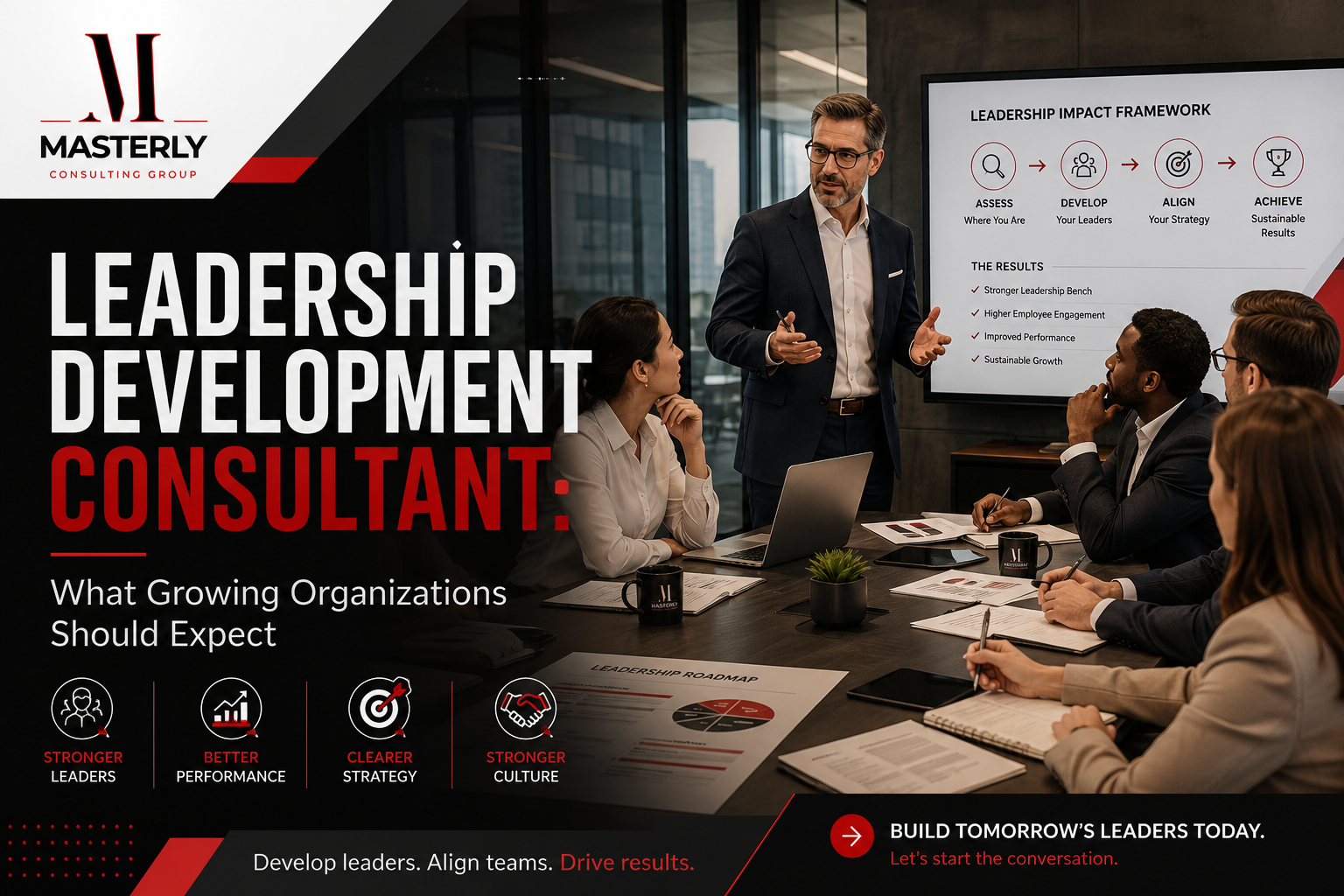
A modern office setting with sports consultants collaborating with college athletic department leaders. Digital screens display compliance regulations, athlete career guidance strategies, and operational analytics. Laptops, documents, and charts are on the table, highlighting innovation, strategic planning, and adaptability for the future of college sports programs.

Frequently Asked Questions About Sports Consultants

What is a sports consultant?

A sports consultant provides specialized advice or assessment to sports organizations. In college athletics, that may involve strategy, operations, governance, organizational development, facilities, revenue, or other areas.

Why do colleges hire sports consultants?

Colleges may use consultants when they need specialized expertise, additional capacity, independent analysis, or outside perspective on a particular challenge.

Can sports consultants help with compliance?

Consultants with relevant experience may help institutions assess policies, procedures, training, and organizational processes connected to compliance. Legal questions should be handled by qualified legal counsel.

Do sports consultants work directly with student-athletes?

Some do, depending on the engagement. Others work primarily with athletic directors, administrators, coaches, university leadership, or other stakeholders.

Are sports consultants only useful for large athletic programs?

No. The usefulness of consulting depends more on the institution's needs than its size. Smaller programs may also benefit from specialized expertise when internal resources are limited.

Understanding the Role of Sports Consulting in College Athletics

Sports consultants can play several roles within college athletic programs, but effective consulting begins with a clearly defined problem.

The strongest engagements are not simply about bringing in an outside expert. They are about helping athletic leaders examine information, challenge assumptions, identify organizational gaps, and make better-informed decisions.

As college athletics continues to change, universities may encounter situations where an independent perspective provides useful support.

For athletic directors and institutional leaders, understanding the different roles sports consultants can play makes it easier to determine when outside expertise is appropriate and what type of support the program actually needs.

Masterly Consulting Group works with organizations on strategy, operations, leadership, governance, and organizational challenges. Explore our consulting resources to learn more about the issues organizations should evaluate when considering outside strategic support.


Executive leadership consulting for CEOs and senior leaders.
September 4, 2026
Executive leadership consulting for CEOs and senior leaders needing better judgment, communication, accountability, and execution to improve leadership outcomes.
Performance improvement consulting for stronger execution and measurable
September 4, 2026
Performance improvement consulting for companies needing stronger execution, accountability, efficient workflows, and measurable operating results for growth.
Organizational consulting for structure, roles, accountability, leadership, and execution.
September 4, 2026
Organizational consulting for companies needing clearer structure, roles, accountability, leadership alignment, and stronger execution to support sustainable growth.
Process improvement consulting for cleaner workflows and stronger execution.
September 4, 2026
Process improvement consulting for organizations needing cleaner workflows, clear ownership, better handoffs, and stronger execution for measurable results.
Business consulting for strategy, operations, growth, and execution.
September 4, 2026
Business consulting for founders and leadership teams needing strategy, operations, growth, and execution support to improve performance and achieve business goals.
Organizational development consulting for business growth
September 3, 2026
Learn what organizational development consulting should evaluate, including structure, leadership, team effectiveness, culture, roles, and decision-making.
Change management services for successful adoption
September 3, 2026
Learn what change management services should cover, including stakeholder analysis, communication, training, adoption metrics, feedback, and reinforcement.
Operations consulting for process and capacity improvement
September 3, 2026
Learn what operations consulting should diagnose and improve, including process flow, ownership, capacity, handoffs, standards, KPIs, and management cadence.