Funding Vulnerabilities That Threaten Institutional Stability
When Strong Institutions Begin to Show Cracks
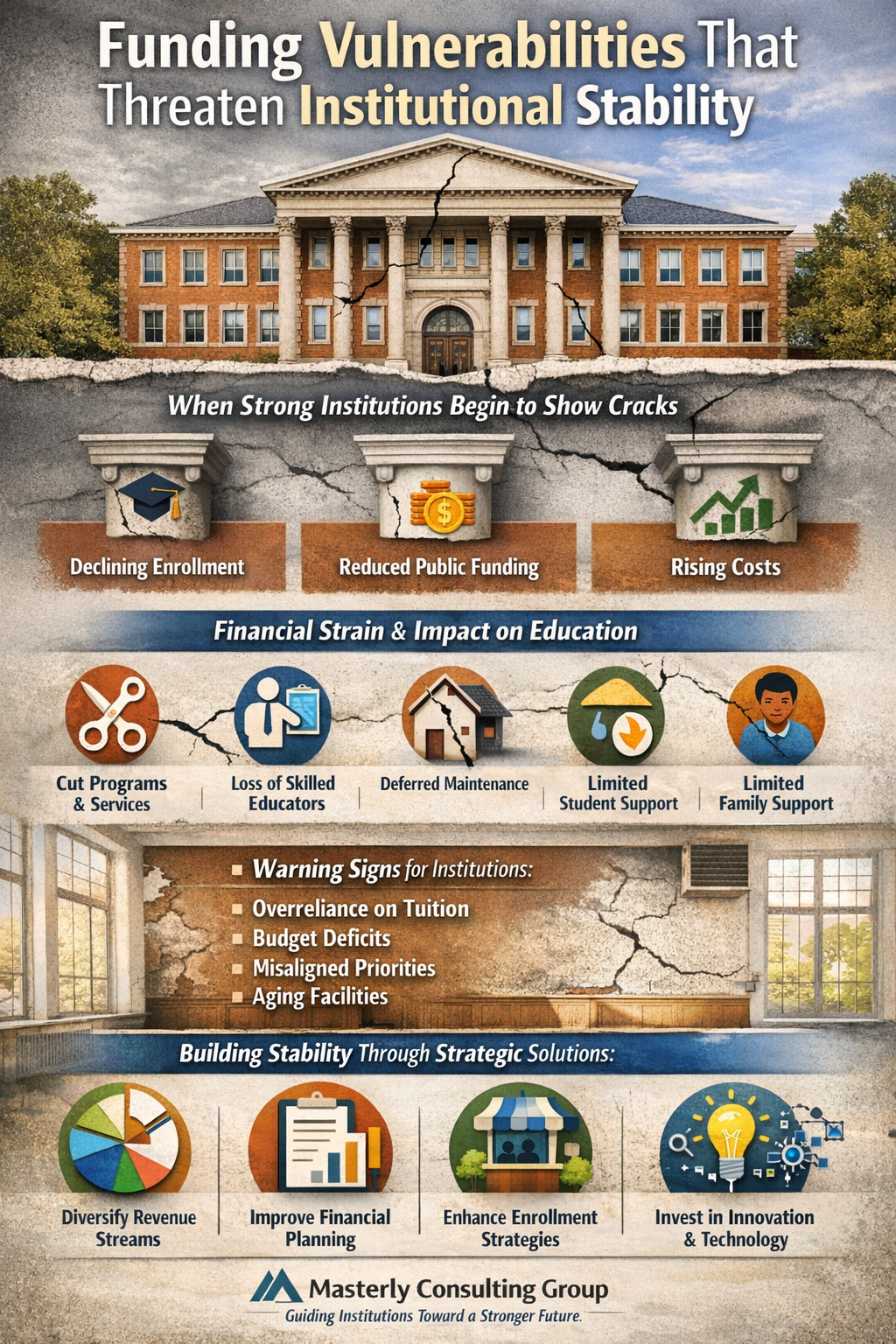
At first glance, many schools, colleges, and universities appear stable. They have long-standing reputations, established programs, and a steady flow of students. However, beneath the surface, financial pressures can quietly build and begin to threaten the long-term health of the institution.
At Masterly Consulting Group, we work with educational institutions across the country that are facing these exact challenges. Funding gaps, misaligned priorities, and outdated financial models can slowly erode stability. Without a clear plan, even well-respected organizations can struggle to maintain high quality education and meet evolving student needs.
Understanding the Foundation of Institutional Stability
Why Funding Is the Core of Sustainability
Every successful education system depends on consistent and strategic funding. Whether it is early childhood education, K-12 districts, or higher education, financial health directly impacts outcomes.
Funding supports:
- Hiring and retaining skilled teachers and educators
- Maintaining safe and effective classrooms
- Investing in technology and learning tools
- Expanding programs that help students learn and grow
When funding becomes unstable, every part of the organization begins to feel the impact.
The Link Between Funding and Student Success
A stable financial structure allows institutions to support students effectively. When resources are limited, students may lose access to opportunities that shape their academic journey.
This affects not only the individual young person, but also the broader community and future workforce.
Hidden Funding Vulnerabilities in Education
Overreliance on Limited Revenue Streams
Many schools and colleges depend heavily on a small number of funding sources. This lack of diversification creates vulnerability when those sources fluctuate.
For example, declining enrollment or reduced public funding can quickly disrupt operations. Without alternative revenue strategies, institutions struggle to adapt.
Misaligned Strategic Planning
A lack of effective strategic planning often leads to financial inefficiencies. When budgets are not aligned with long-term goals, resources may be misallocated.
This can result in underfunded programs that are critical to delivering high quality education.
Enrollment Shifts and Financial Pressure
Changing Demographics and Enrollment Trends
Shifts in population and enrollment patterns are creating new challenges for districts, schools, and universities. Fewer students in certain regions can reduce funding and strain existing resources.
This is especially true for independent schools and smaller institutions that rely heavily on tuition.
Adapting to a New Educational Landscape
To remain competitive, institutions must adjust their strategies. This includes rethinking recruitment, expanding offerings, and improving value for families and students.
The Role of Leadership in Financial Stability
How Leaders Influence Outcomes
Strong leadership plays a critical role in navigating funding challenges. Effective leaders understand how to balance immediate needs with long-term sustainability.
They use data, insights, and experience to guide decision-making and ensure accountability.
Building a Culture of Accountability
Financial stability requires a culture of accountability at every level of the organization. This includes clear expectations, transparent communication, and measurable goals.
Talent Strategy and Workforce Challenges
Retaining Skilled Educators
A strong talent strategy is essential for maintaining quality. Without competitive compensation and support, institutions risk losing experienced teachers and staff.
This directly impacts instruction and the ability to deliver effective learning experiences.
Developing Future Leaders
Investing in leadership development ensures that institutions have the skills needed to navigate future challenges. This includes mentoring, coaching, and professional training.
The Impact of Resource Allocation
Prioritizing What Matters Most
Effective resource allocation ensures that funding is directed toward initiatives that support student success. This requires careful analysis and strategic decision-making.
Avoiding Waste and Inefficiency
Without proper oversight, resources can be wasted on low-impact initiatives. Institutions must continuously evaluate their spending and adjust accordingly.
Innovation as a Response to Funding Challenges
Embracing New Approaches
Innovation is key to overcoming financial constraints. This includes exploring new revenue streams, partnerships, and program offerings.
Leveraging Technology
Modern technology can improve efficiency and expand access to education. Digital tools help institutions reach more students and deliver flexible learning options.
The Importance of Community Engagement
Strengthening Relationships with Families
Strong relationships with families, parents, and the broader community create additional support for institutions. Engagement builds trust and encourages collaboration.
Building a Supportive Network
A connected community can provide resources, advocacy, and opportunities for growth. This network plays a vital role in sustaining schools and universities.
Data-Driven Decision Making
Using Data to Guide Strategy
Access to accurate data allows institutions to make informed decisions. This includes analyzing enrollment trends, financial performance, and program effectiveness.
Turning Insights Into Action
Data alone is not enough. Institutions must translate insights into actionable strategies that drive improvement and stability.
Supporting Students Through Financial Challenges
Maintaining Access to Education
Financial instability should not limit access to education. Institutions must find ways to ensure that students continue to receive the support they need.
Addressing Student Needs
Understanding and addressing student needs is essential for long-term success. This includes academic support, mental health resources, and career guidance.
Building a Student-Centered Approach
Focusing on the Individual Learner
A student centered approach ensures that every decision supports the growth and development of each young person. This focus improves outcomes and strengthens institutional value.
Creating Meaningful Learning Experiences
Effective programs guide students toward success by providing relevant and engaging learning opportunities.
The Role of Education Consulting
Why External Expertise Matters
Engaging in education consulting provides institutions with access to deep expertise and objective perspectives. Consultants bring knowledge and experience that internal teams may not have.
Partnering for Long-Term Success
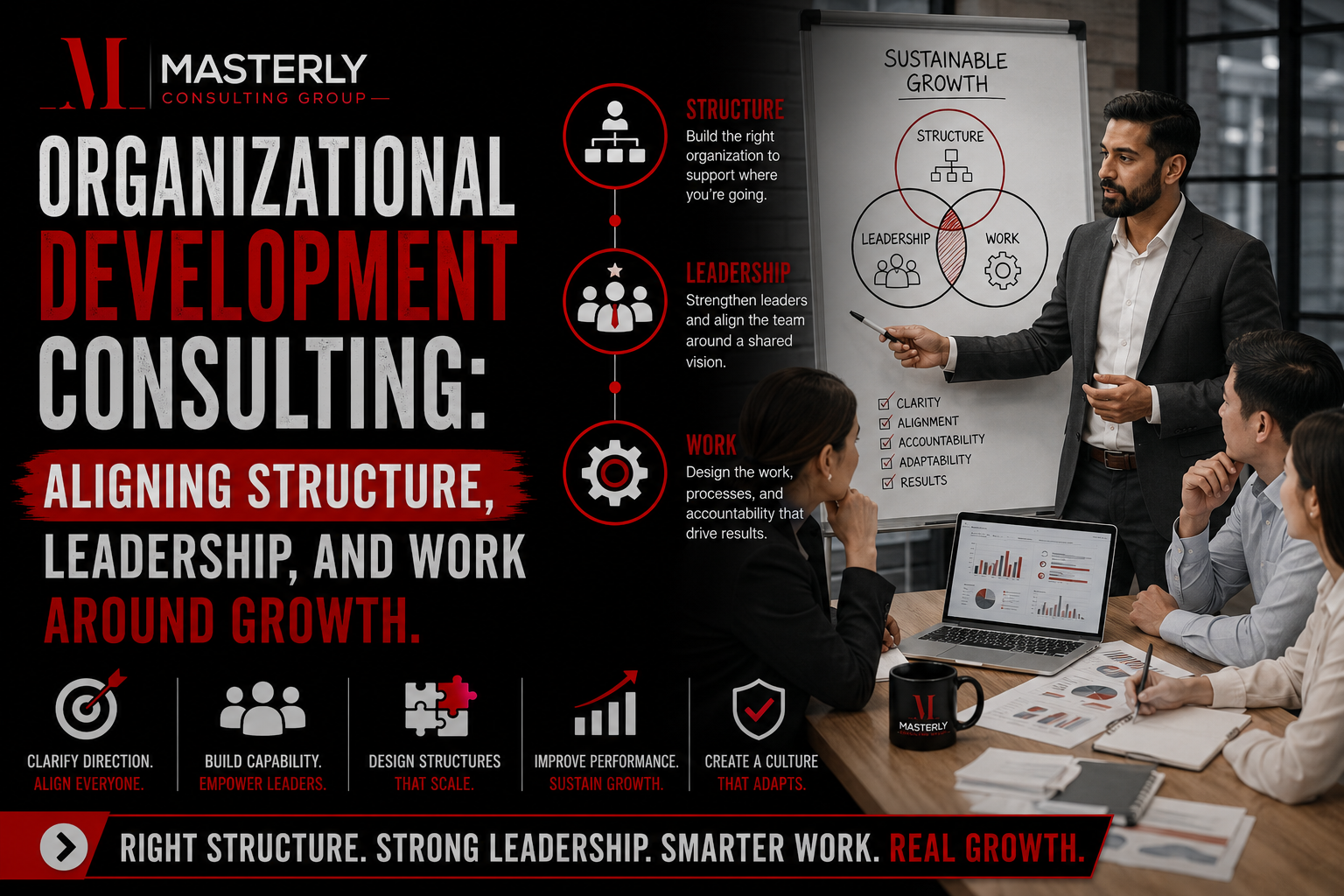
At Masterly Consulting Group, we partner with institutions to develop customized solutions. Our team works closely with clients to identify challenges and implement effective strategies.
Strategic Planning for Sustainable Growth
Developing a Clear Plan
A well-defined plan is essential for navigating funding challenges. This includes setting goals, identifying priorities, and allocating resources effectively.
Aligning Efforts Across the Organization
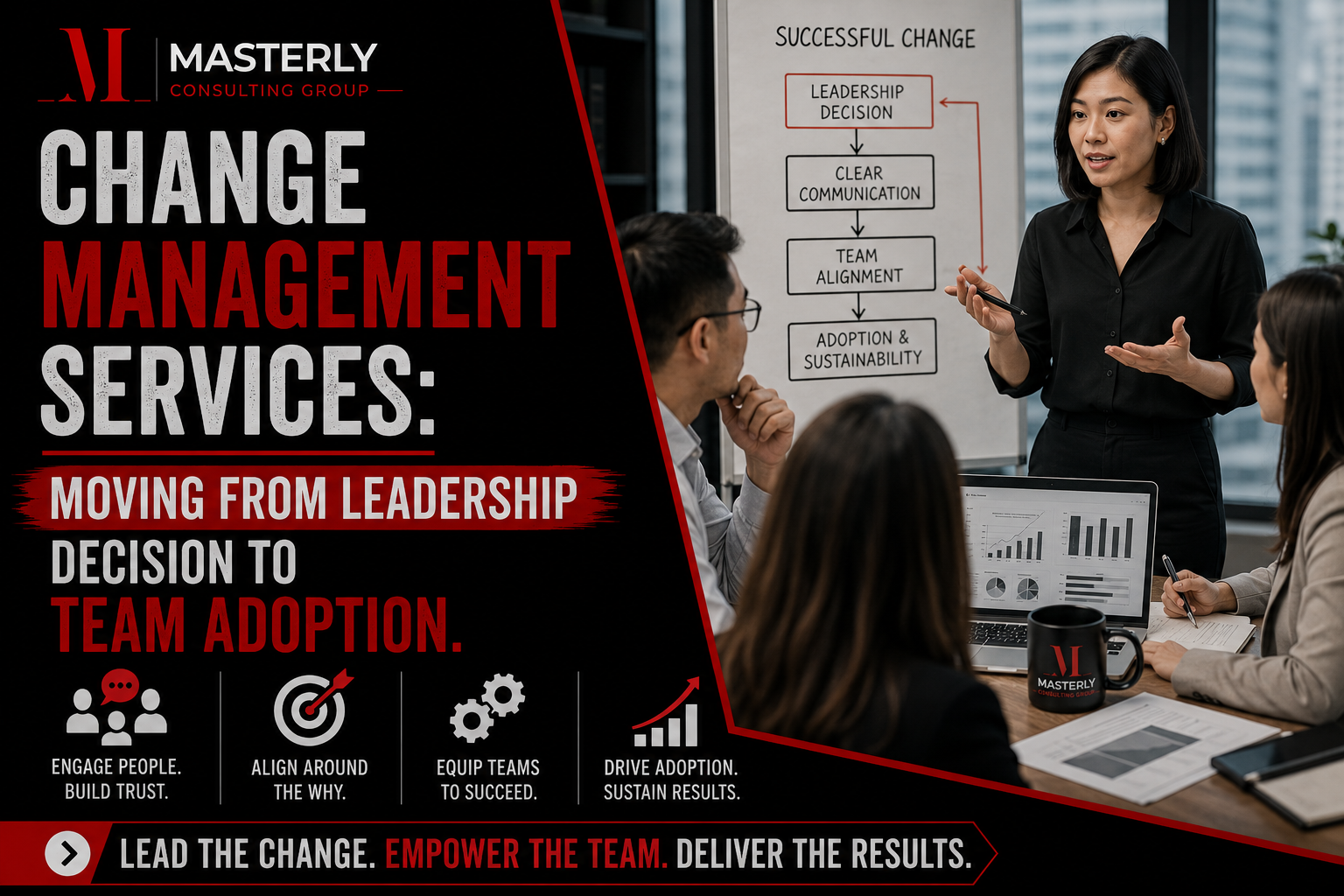
Successful implementation requires alignment across all levels of the organization. This ensures that everyone is working toward the same objectives.
Supporting Educators and Staff
Empowering Teachers
Providing support for teachers improves morale and enhances the learning environment. This includes professional development and access to resources.
Building a Collaborative Culture
Collaboration among educators, administrators, and staff strengthens the overall school culture.
Achieving Measurable Results
Tracking Progress
Institutions must monitor progress to ensure that strategies are effective. This includes setting benchmarks and measuring outcomes.
Celebrating Success
Recognizing achievements helps maintain momentum and encourages continued improvement.
Moving Forward With Confidence
Preparing for Future Challenges
The future of education will continue to evolve. Institutions must remain adaptable and proactive in addressing new challenges.
Building a Strong Foundation
By addressing funding vulnerabilities now, institutions can build a strong foundation for long-term stability and growth.
Delivering High Quality Education in Times of Financial Pressure
Maintaining high quality education is one of the most important responsibilities any institution carries, especially when facing financial challenges. Budget constraints should never lower the standard of learning that students receive. Instead, they should encourage smarter decisions, better resource allocation, and more focused strategies. When institutions prioritize quality, they strengthen trust with families, support long-term success, and reinforce their role as leaders in education.
Supporting Every Young Person Through Stability and Strategy
Every young person deserves access to a stable and supportive learning environment. Financial uncertainty can create disruptions that impact not only programs but also confidence and opportunity. By developing thoughtful strategies and maintaining a clear focus on student outcomes, institutions can continue to guide and empower each young person. This commitment ensures that students are not only supported academically but also prepared for the challenges and opportunities ahead.
Empowering School Leaders to Navigate Financial Uncertainty
Strong school leaders play a critical role in maintaining stability during times of financial pressure. Their ability to make informed decisions, communicate effectively, and guide their teams determines how well an institution adapts to change. When school leaders are equipped with the right tools and strategies, they can better align resources with priorities and protect the long-term success of their schools. Leadership is not just about managing challenges—it is about creating a clear path forward.
Bringing Extensive Experience to Complex Challenges
Addressing funding vulnerabilities requires extensive experience in both education systems and organizational strategy. Institutions benefit from working with professionals who understand the unique pressures facing modern schools, colleges, and universities. This level of experience allows for quicker identification of risks and more effective solutions. It also ensures that decisions are grounded in real-world outcomes, not just theory.
Providing Expert Guidance for Sustainable Solutions
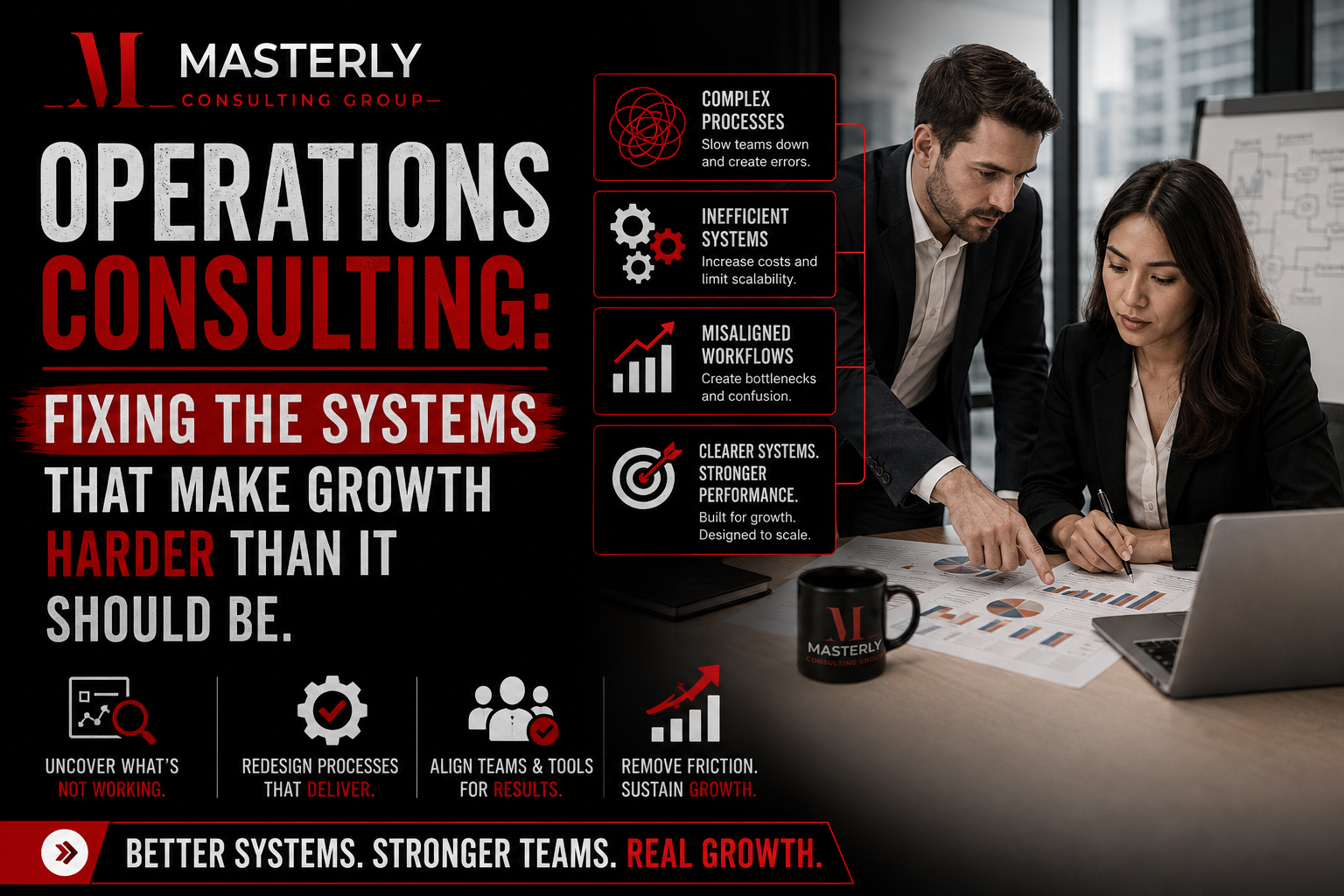
Institutions often seek expert guidance when internal resources are stretched or unclear. External support helps clarify priorities and provides a structured approach to problem-solving. With the right guidance, organizations can move from reactive decision-making to proactive planning. This shift is essential for building long-term resilience.
Driving Change Through Proven Results
The goal of any strategy is to deliver proven results that strengthen the institution. This means improving financial stability, enhancing program effectiveness, and supporting better outcomes for students. When strategies are implemented correctly, they create measurable improvements that can be sustained over time. Success is not just about short-term fixes—it is about lasting impact.
Helping Institutions Discover New Opportunities
Periods of uncertainty can also create opportunities to discover new approaches and solutions. By examining current systems and exploring innovative ideas, institutions can uncover paths they may not have considered before. This process of discovery encourages growth and adaptability. It allows organizations to reposition themselves for future success.
Refining Practices to Improve Efficiency and Impact
Evaluating existing practices is essential for identifying inefficiencies and areas for improvement. Institutions that regularly review their practices can better align their resources with their goals. This leads to more effective use of funding and stronger outcomes for students. Continuous improvement ensures that strategies remain relevant in a changing environment.
Preparing Students for a Changing World
Education must evolve to prepare children and young people for a rapidly changing world. Financial stability plays a key role in ensuring that institutions can provide the resources and programs needed to support this goal. By focusing on adaptability and innovation, schools can better equip students with the skills they need to succeed. A forward-thinking approach benefits both individuals and the broader community.
Strengthening the Process for Long-Term Success
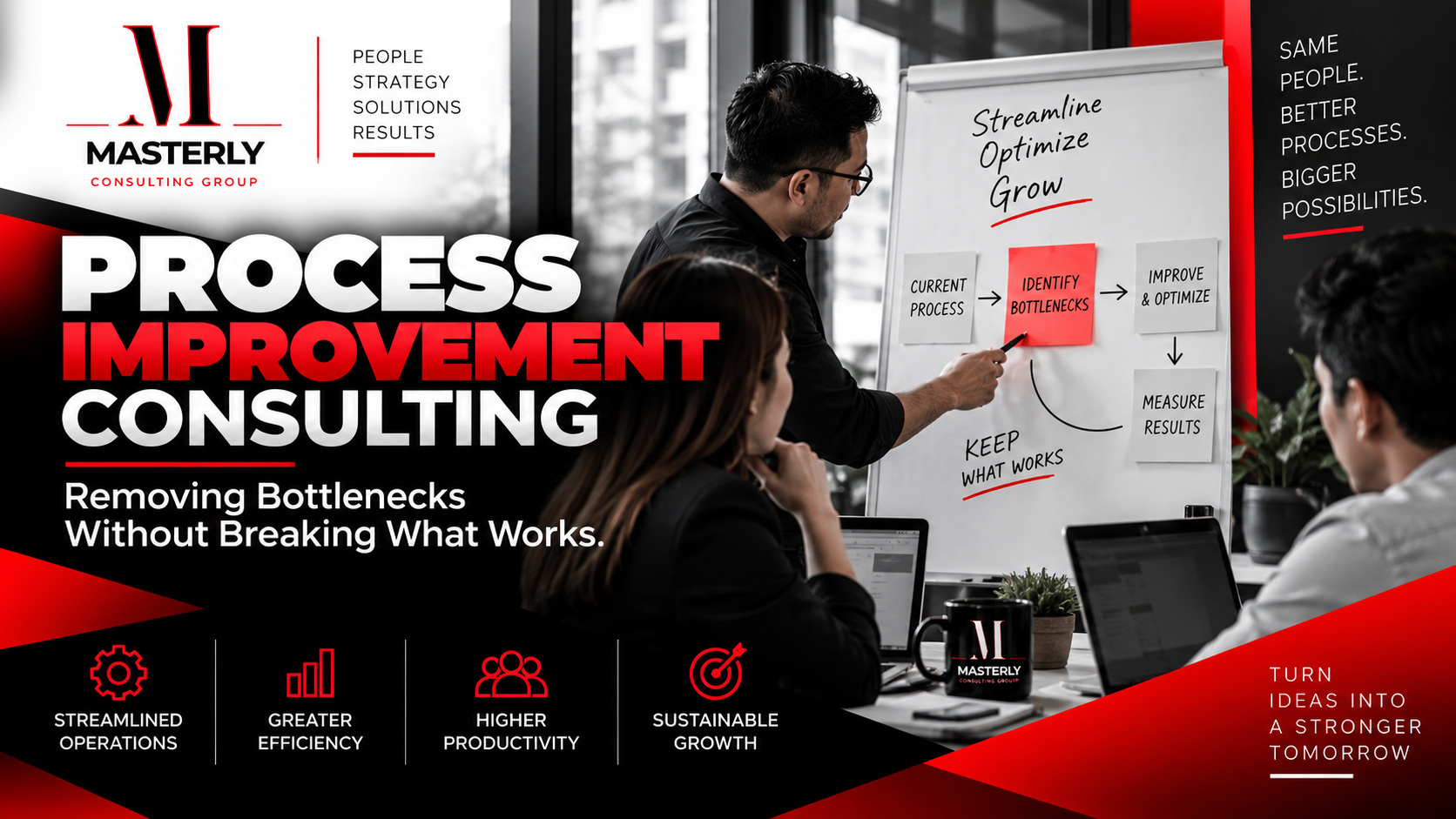
A clear and structured process is essential for addressing funding challenges effectively. This includes identifying priorities, implementing strategies, and monitoring outcomes. A well-defined process helps institutions stay focused and organized, even during periods of uncertainty. It also ensures that efforts are aligned with long-term goals.
Leveraging Digital Tools and Your Website for Growth
Your institution’s website can play a valuable role in communication, transparency, and engagement. A well-designed platform helps share important information with families, students, and the broader community. It also supports recruitment and outreach efforts. In today’s digital environment, your online presence is an important extension of your institution.
Supporting Children Through Stable and Effective Systems
At the center of every decision are the children and students who rely on the institution for their education and development. Stable funding and effective strategies ensure that they continue to receive high-quality support. When institutions focus on student outcomes, they create environments where learners can thrive. This commitment is essential for long-term success.
Accomplishing Meaningful Outcomes Through Strategic Action
With the right strategies in place, institutions can accomplish meaningful improvements in both performance and stability. These outcomes include stronger programs, better resource allocation, and improved student success. By staying focused and committed, organizations can accomplish their goals even in challenging circumstances. The key is to take deliberate, informed action that supports long-term growth.
Contact Masterly Consulting Group for Education Consulting Services
If your institution is facing financial uncertainty or struggling to maintain stability, now is the time to take action. Funding challenges do not resolve on their own, and delaying decisions can create deeper issues over time.
At Masterly Consulting Group, we provide tailored education consulting services designed to help schools, districts, colleges, and universities strengthen their financial position and improve outcomes. Our dedicated team works closely with clients to develop strategies that support students, empower leaders, and drive long-term success.
Call us today at (888) 209-4055 to book your free consultation. Let us help you identify vulnerabilities, develop a clear plan, and move forward with confidence.